Енріко Гальері Д
Акрил на полотні
Настінне мистецтво
Belle Époque Impressionism
Biennale Internazionale dell'Antiquariato di Firenze
Олійная репродукція ручної роботи
Написана вручну олією на полотні у вашому розмірі та рамі, виготовлена на замовлення нашими художниками. ( Перейти до друку
Перейти до цифрових зображень)
P118B $10
P118H $10
P118W $10
P438Z $10
P508JH $12
P508YH $12
P805H $10
P805Z $10
P919BZ $10
P919G $10
P919XJ $10
P959ZH $10
P968JZ $12
W106C $8
W218G $10
W218JH $8
W218Y $10
W307PJ $10
W316G $10
W316PJ $8
W316Y $10
W398PJ $8
W4111J $10
W500HY $15
W500JH $15
W692G $12
W849H $8
W940BG $15
W953PJ $8
Обирайте з наших стандартних розмірів, що відповідають оригінальним пропорціям твору мистецтва.
Ви можете вказати власні розміри, щоб репродукція ідеально підійшла до конкретної рами або інтер'єру. Якщо вибраний вами розмір не відповідає пропорціям оригіналу, ми або обріжемо полотно, або доповнимо картину додатковими елементами, промальованими вручну. Цифровий макет буде надіслано вам на затвердження перед початком виробництва.
Зверніть увагу, що попередній перегляд на екрані не відображає фактичне обрізання або розширення зображення. Тільки макет точно покаже остаточну композицію.
Хоча ми можемо виготовити виріб у нестандартному розмірі, для збереження оригінальних пропорцій рекомендуємо обирати варіанти зі встановленого списку.
Після оформлення замовлення команда OriginalUniqueArt.com зв'яжеться з клієнтом електронною поштою для отримання інструкцій та надасть попередній макет
Доставка по всьому світу () за 3–4 тижні замість стандартних 5 тижнів. (16 Вересень). Без жодних компромісів у якості.
Безкоштовна експрес-доставка по всьому світу
Високоякісне лляне полотно
Повне страхове покриття доставки
Гарантія відшкодування митних зборів
Гарантія точного відтворення кольорів
Політика повернення протягом 100 днів (тільки у разі виявлення дефектів)
Гарантія повернення 100% коштів
Пропозиція на оптові замовлення
Енріко Гальері Д
Матеріал репродукції
Розмір репродукції
-
Підсумкова вартість
$ 300
Е Enrico Gallerie D – Роздуми про Елегантність Belle Époque та Майстерність Джованні Больні
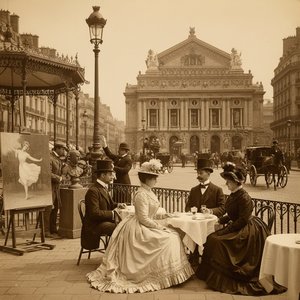
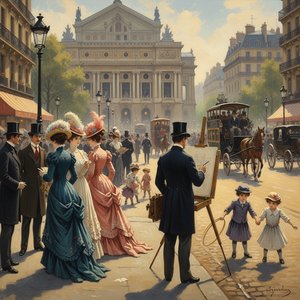
Е Enrico Gallerie D – картина Джованні Больні, виконана у стилі імпресіонізму, є безсумнівним символом розкішного періоду Belle Époque. Цей шедевр мистецтва вражає своєю композицією та використанням світла та тіней, що передають атмосферу Парижа кінця XIX століття – епохи культу особистості та художньої творчості. Картина зображує інтер'єр галереї мистецтв, де представлені великі полотна Больні та елементи архітектури, створюючи відчуття простору та гармонії.- Композиція: Центральна увага глядача привертається до акуратного розташування картин на світло-сірій стіні. Невелика шафа в правому нижньому кутку додає глибини композиції та візуального інтересу. Елементи перспективи підкреслюють масштаб простору галереї, що сприяє створенню враження формальності та елегантності.
- Колірна палітра: Домінує м'який зеленуватий відтінок стін, який контрастує з золотими рамками картин і декоративними елементами. Темні тіні та підлога додають картині глибини та драматизму.
- Техніка виконання: Больні використовував техніку імпресіонізму, що характеризується швидкою живою мазкою та акцентом на передачі світлових ефектів. Художник прагнув зафіксувати миттєвий момент часу, передаючи динаміку та рух у зображенні.
- Символізм: Картина символізує культ мистецтва та інтелекту, а також естетичні смаки епохи Belle Époque. Елегантний інтер'єр галереї та ретельно розставлені полотна Больні відображають високі моральні цінності та прагнення до гармонії.
- Емоційний вплив: Картина викликає відчуття спокою, роздумів та захоплення красою мистецтва. Вона переносить глядача у світ епохи романтизму та культури високого рівня, спонукаючи до творчого мислення та естетичної оцінки.
Життєвий шлях Джованні Больні – Від Феррари до Парижа та Лондонського Світу Мистецтва
Джованні Больні, народжений у Феррарі в Італії 31 грудня 1842 року, був художником, який здобув славу як видатний портретист у Парижі. Його мистецький талант розвивався під впливом батька – художника релігійних творів, що забезпечив йому раннє знайомство з технікою живопису та композицією. Переїзд до Флоренції в 1862 році став ключовим моментом у житті Больні, коли він познайомився з художниками-маччіаоло – групою італійських реалістів, які заклали основи імпресіонізму завдяки акценту на світлотінь та спонтанній техніці виконання. Цей досвід вплинув на його пейзажі, надавши їм яскравості та чутливості до природи. Проте саме портретне мистецтво стало для Больні справжньою професією та забезпечило йому фінансову стабільність у Парижі. Його творчість була тісно пов'язана з епохою Belle Époque – часом розкоші, культу особистості та художньої процвітання. Больні працював у Лондоні, де він вивчав англійські портрети та карикатури, зокрема творчість Томаса Гейнсборога – одного з найвідоміших художників пейзажу та портрета XVIII століття. Його стиль був впливовим і продовжує захоплювати глядачів досі.Біографія митця
A Master of Swish: The Life and Art of Giovanni Boldini
Giovanni Boldini, a name that echoes through the halls of Parisian art history, was more than just an Italian painter; he was the “Master of Swish,” a title bestowed upon him in 1933 – a testament to his uniquely dynamic and captivating style. Born on December 31st, 1842, in Ferrara, Italy, Boldini’s artistic journey began within the traditional framework of religious painting under his father's guidance. However, it was his relocation to Florence in 1862 that truly ignited a revolutionary spirit within him, exposing him to the groundbreaking realism and vibrant color palettes of the Macchiaioli movement. This encounter proved transformative, imbuing his landscapes with an unprecedented sense of immediacy and responsiveness to nature – a departure from the rigid academic styles prevalent at the time. Yet, it was in capturing the essence of human personality through portraiture that Boldini would ultimately achieve enduring fame and establish himself as *the* premier painter of Parisian high society during the Belle Époque.From Florence’s Shadows to Parisian Brilliance
Boldini's artistic trajectory led him first to London, where his portraits quickly garnered critical acclaim and attracted the attention of prominent figures like Lady Holland and the Duchess of Westminster. This early success served as a springboard for his momentous move to Paris in 1872 – a city that would become not only his home but also the epicenter of his artistic universe. Immersing himself completely within the vibrant Parisian art scene, Boldini forged connections with influential figures such as Edgar Degas and navigated the complex social currents of the era’s elite circles. He rapidly developed a distinctive style characterized by an extraordinary fluidity, remarkable dynamism, and a theatrical flair that captivated audiences. His brushstrokes weren't merely descriptive; they seemed to breathe life into his subjects, capturing their movements, personalities, and even the very atmosphere surrounding them. This unique approach earned him the affectionate moniker “Master of Swish,” a descriptor that perfectly encapsulated the graceful energy and captivating movement evident in his work. He swiftly ascended to become *the* portraitist for Parisian society – immortalizing the glamorous lives, dazzling fashions, and social intricacies of actresses, aristocrats, and influential members of the upper class.The Secrets of His Technique
Boldini’s artistic technique was as mesmerizing as the individuals he depicted. His canvases were often expansive in scale, allowing him to convey a profound sense of presence and grandeur. He masterfully employed a loose, expressive brushstroke – a deliberate departure from the meticulous detail favored by many of his contemporaries. This technique involved layering colors with remarkable subtlety, building up textures and depths that seemed to shimmer with life. Crucially, Boldini’s approach wasn't solely focused on replicating appearances; he sought to capture *the essence* of his subjects—their character, their spirit, and the subtle nuances of their personalities. He skillfully blended elements of Macchiaioli influence – particularly their emphasis on light and spontaneity – with the innovative techniques of Impressionism, creating a style that was both deeply rooted in tradition and remarkably forward-thinking. His portraits weren’t simply representations; they were carefully constructed impressions—evocative portrayals designed to transport the viewer into the heart of the subject's world.Influences and Artistic Connections
Boldini’s artistic development wasn’t a solitary endeavor. He drew inspiration from a diverse range of sources, including the pioneering realism of the Macchiaioli painters, whose emphasis on capturing fleeting moments and utilizing vibrant color palettes profoundly impacted his approach to landscape painting. Furthermore, he absorbed elements from the work of John Singer Sargent and Paul Helleu – artists known for their dynamic brushwork and ability to convey movement within a portrait. Boldini’s artistic journey was marked by a constant process of experimentation and refinement, resulting in a style that was uniquely his own—a captivating blend of observation, emotion, and technical skill.A Legacy Rediscovered
Throughout his career, Boldini exhibited extensively, gaining recognition at prestigious venues such as the Venice Biennale during the years 1895, 1903, 1905, and 1912. He received the Légion d'honneur – a testament to his significant contributions to the arts – solidifying his position as one of the most celebrated artists of the Belle Époque. However, following his death on January 11th, 1931, Boldini’s work experienced a period of relative obscurity. For decades, his paintings languished in private collections and forgotten attics, largely unseen by the public. It wasn't until the early 21st century that a remarkable rediscovery occurred – the unearthing of a lost portrait of Marthe de Florian from a Parisian apartment in 2010. This event sparked renewed interest in Boldini’s oeuvre and prompted scholars to re-evaluate his artistic significance, leading to a surge in appreciation for his innovative style and enduring legacy. Today, Boldini's portraits continue to captivate audiences worldwide, serving as powerful reminders of the elegance, dynamism, and artistic brilliance of the Belle Époque.- Boldini’s influence can be seen in contemporary portraiture, particularly in its emphasis on capturing movement and personality.
- His work is prominently featured in major museums across Europe and North America.
- Ongoing research continues to shed new light on his artistic techniques and influences.
Джованні Болдіні
1842 - 1931 , Італія
Короткі факти
- Artistic Movement Or Style: Імпресіонізм
- Artists Or Movements Influenced By This Artist: ['Джон Сінґер Сенджор']
- Artists Who Influenced This Artist: ['Маччіаіолові']
- Date Of Birth: 31 груд., 1842
- Date Of Death: 11 січ., 1931
- Full Name: Giovanni Boldini
- Nationality: Італійський
- Notable Artworks:
- Портрет Лордів
- Портрет акторів
- Place Of Birth: Ферара, Італія

Скляний варіант доступний лише для розмірів до 110 см