Переглянути в інтер'єрі
 Надіслати як листівку
 Поділитися
 Детальніше

 Завантажити
 Схожі експонати
 Рентгенівське дослідження
 Слайд-шоу
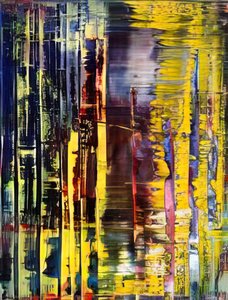
Абстрактна картина
 Олія на полотні
- Настінний декор
- Абстрактний експресіонізм
 1994
1994- Сучасне мистецтво
 225.0 x 220.0 cm
 Читати далі
Гікле / Художній принт
Музейна якість друку جيкле або на полотні з оперативним виготовленням та різноманітними варіантами фінішної обробки. ( Замовити репродукцію ручної роботи Купити цифрове зображення)




P118B $10

P118H $10

P118W $10

P438Z $10

P508JH $12

P508YH $12

P805H $10

P805Z $10

P919BZ $10

P919G $10

P919XJ $10

P959ZH $10

P968JZ $12

W106C $8

W218G $10

W218JH $8

W218Y $10

W307PJ $10

W316G $10

W316PJ $8

W316Y $10

W398PJ $8

W4111J $10

W500HY $15

W500JH $15

W692G $12

W849H $8

W940BG $15

W953PJ $8




Обирайте з наших стандартних розмірів, що відповідають оригінальним пропорціям твору мистецтва.

Ви можете вказати власні розміри, щоб репродукція ідеально підійшла до конкретної рами або інтер'єру. Якщо обраний вами розмір не відповідає пропорціям оригіналу, ми або обріжемо полотно, або розширимо зображення за допомогою дзеркального відображення чи суцільної заливки країв. Перед початком виробництва вам буде надіслано цифровий макет для затвердження.
Будь ласка, зверніть увагу, що попередній перегляд на екрані не відображає фактичне обрізання або розширення. Тільки макет точно покаже фінальну композицію.
Хоча можливість замовлення індивідуальних розмірів доступна, ми рекомендуємо обирати формат із попередньо визначеного списку, щоб зберегти оригінальні пропорції.
Доставка по всьому світу () за 2 тижні замість стандартних 4/5 тижнів. (19 Серпень)

Безкоштовна експрес-доставка по всьому світу

Високоякісне лляне полотно

Повне страхове покриття доставки

Гарантія відшкодування митних зборів

Гарантія точного відтворення кольорів

Політика повернення протягом 60 днів (лише у разі виявлення дефектів)

Гарантія повернення 100% коштів

Пропозиція на оптові замовлення
 Скляний варіант доступний лише для розмірів до 110 см

Абстрактна картина
Гікле / Художній принт
Розмір репродукції
-


Підсумкова вартість
$ 80
Опис експоната
A Symphony of Chance and Control: Exploring Gerhard Richter’s Abstract Picture
Gerhard Richter's 1994 *Abstract Picture* є монументальним твором – що має вражаючі розміри 225 x 220 см – який уособлює ключові принципи його революційної мистецької практики. Більше, ніж просто картина, це представляє собою глибоке дослідження абстракції, кольору та самого акту створення. Ця робота не про те, щоб зображувати *щось*; вона йде про відчуття *відчуття* через чисте візуальне сприйняття.Розбір Техніки: Скребок і Шари
Визначний стиль Ріхтера є ключем до розуміння цієї роботи. Він не підходив до полотна з попередньо уявленим образом, а скоріше розпочав процес контрольованої випадковості. Наносячи шарами насиченого олійної фарби за допомогою пензлів, він потім використовував скребок – традиційно застосовувався для чищення вікон – щоб штовхати та зерегати поверхню. Ця повторювана дія створює складні шари кольору, одночасно відкриваючи та приховуючи попередні шари. Утворений текстур виявляється надзвичайно динамічним; він одночасно гладкий в деяких областях і сильно імпастований в інших, створюючи захопливе поєдання світла та тіней. Горизонтальні та вертикальні сліди, залишені скребком, не є просто випадковими позначками, а й вводять підструктуру, яка запобігає розчиненню композиції в повний хаос.Колір як Емоція: Призматичний Вибух
*Abstract Picture* – це майстерклас з теорії кольору. Ріхтер використовує багату палітру – від яскраво-червоного до смарагдово-зеленого, золотисто-жовтого, фіолетового та темно-синього – коштовних відтінків, які резонують інтенсивністю. Це не гармонійне поєднання; це вибух розкішних кольорів, що одночасно стикаються та доповнюють один одного. Картина відображає принципи Color Field Painting, започатковані такими художниками, як Марк Ротко та Барнетт Ньюмен, де великі площі кольору використовуються для того, щоб викликати емоційну реакцію у глядача. Однак Ріхтер вносить до цього стилю свою унікальну енергію та складність.Можливість і Намір: Філософський Ядро
Творчість Ріхтера глибоко переплітається з філософськими роздумами. Він свідомо вводить елементи випадковості у свій процес, віддаючи повний контроль непередбачуваній природі матеріалів та інструментів. Як він сам зазначав, ці картини часто "суперечать моєму початковому ідею зображення". Ця схвалення випадковості не означає відмову від мистецького наміру; це означає визнання обмежень людського контролю та дослідження краси, яка може виникнути з неочікуваних результатів. Це кидає виклик традиційним уявленням про авторство та запрошує глядачів замислитися над роллю випадковості в творчості.Історичний Контекст і Наслідування
Народившись у 1932 році, Ріхтер пережив бурхливе дитинство, сформоване Другою світовою війною та подальшим поділом Німеччини. Цей історичний контекст глибоко вплинув на його мистецьке бачення. Його роботи часто торкаються тем пам'яті, втрати та складнощів сучасної епохи. *Abstract Picture* з’явилася в період, коли Ріхтер повністю досліджував абстрактне живопис після періодів роботи в фотореалізмі. Його вплив на сучасне мистецтво величезний; він проклав шлях для нового покоління художників, які приймають експерименти та кидають виклик традиційним кордонам.Походження та Значення
Величезна цінність *Abstract Picture* ще раз підкреслює її важливість у світі мистецтва. Бувши представленою в престижних інституціях, таких як Anthony d'Offay Gallery в Лондоні та Дрезденському замку, вона колись належала колекції Еріка Кляптона, перш ніж досягти вражаючої суми 20 885 000 доларів на аукціоні Christie’s у 2013 році. Це не лише демонструє її художню цінність, але й підкреслює її як значущий культурний артефакт.Емоційний Відгук та Дизайн Простору
*Abstract Picture* – це більше, ніж просто візуально вражаюча робота; вона викликає емоційний відгук. Взаємодія кольору та текстури викликає відчуття енергії, динамізму та навіть спокою. Її великий розмір робить її домінуючим елементом у будь-якому просторі. *Для дизайнерів інтер'єрів* ця картина – це смілива акцентна стіна, яка може зафіксувати кімнату та викликати розмову. Її складна палітра поєднується як з сучасними, так і з сучасною обстановкою, додаючи глибини та вишуканості будь-якому простору.- Стиль: Абстракціонізм, Color Field Painting
- Матеріал: Олія на полотні
- Розміри: 225 x 220 см
- Рік: 1994
Біографія митця
A Life Shaped by Division: The Early Years and Artistic Formation of Gerhard Richter
Gerhard Richter’s story is inextricably linked to the fractured history of 20th-century Germany. Born in Dresden in 1932, his childhood unfolded under the shadow of a rising National Socialist regime. This formative period, marked by displacement – his family moved several times during the war years – instilled within him a profound sense of uncertainty and a questioning spirit that would permeate his artistic practice for decades to come. The idyllic landscapes of his early upbringing in Reichenau and Waltersdorf were soon disrupted by conflict, leaving an indelible mark on his psyche. His father, though not a fervent supporter of the Nazi party, navigated the complexities of life under authoritarian rule as a schoolteacher, while his mother fostered a love for literature and music within the family. This duality – a pragmatic acceptance of circumstance alongside a yearning for cultural expression – became a defining characteristic of Richter’s own artistic approach. He began formal training at the Dresden Academy of Fine Arts in 1951, initially immersed in the tradition of socialist realism demanded by the East German state. However, even within this constrained environment, a desire for artistic freedom simmered beneath the surface, fueled by a growing dissatisfaction with ideological constraints and a longing to explore more expansive creative possibilities.Escaping Constraints: Düsseldorf and the Exploration of Style
The year 1961 proved pivotal. Richter, along with his wife Marianne Eufinger, made the daring decision to flee East Germany, seeking refuge in the burgeoning art scene of Düsseldorf. This move marked a radical shift in his artistic trajectory. The West German landscape offered a liberating environment where experimentation and innovation were not only permitted but actively encouraged. In Düsseldorf, he encountered a vibrant community of artists grappling with questions of identity, representation, and the legacy of history. He quickly began to dismantle the rigid stylistic conventions of socialist realism, embarking on a period of intense exploration that would define his early mature work. This era saw him oscillate between seemingly disparate approaches – from photorealism, meticulously recreating photographic images with astonishing precision, to abstract compositions characterized by bold colors and dynamic brushstrokes. His collaboration with Sigmar Polke led to the coining of the term ‘Capitalist Realism,’ a deliberately ambiguous label that reflected their shared skepticism towards established artistic norms and their appropriation of imagery from advertising and mass media. This period wasn’t about finding *a* style, but rather questioning the very notion of stylistic coherence, embracing contradiction as a fundamental principle.Blurring Boundaries: Photorealism, Abstraction, and the Power of Chance
Richter's artistic vocabulary expanded throughout the 1960s and beyond, encompassing a remarkable range of techniques and themes. His photorealistic paintings, often based on family photographs or newspaper images, are not merely copies of reality but rather investigations into the nature of perception and representation. By meticulously rendering these images with an almost clinical detachment, he forces viewers to confront the inherent ambiguity of photographic truth. Simultaneously, Richter delved deeper into abstraction, creating canvases layered with vibrant colors and gestural marks. These abstract works are often created using a unique technique involving squeegees – tools typically used for cleaning windows – which he drags across the surface of the canvas, manipulating the paint in unpredictable ways. This embrace of chance and spontaneity is central to his artistic philosophy, allowing him to relinquish control and invite unexpected outcomes. His ‘Color Charts,’ systematic arrangements of colored squares, further challenge traditional notions of artistic expression, questioning the very definition of painting itself. These works are not about individual aesthetic preferences but rather about exploring the inherent properties of color and its organizational possibilities.The Weight of History: From Dresden to Berlin
Richter’s early life was profoundly shaped by the tumultuous events of mid-20th century Germany. Growing up in Dresden, a city repeatedly devastated during World War II, instilled within him a deep awareness of loss and destruction. The constant rebuilding efforts, the displacement of families, and the pervasive atmosphere of uncertainty left an enduring mark on his psyche. His father’s experience as a teacher under the Nazi regime – navigating a complex and often oppressive system – further contributed to Richter's critical perspective on authority and ideology. This historical context is subtly woven into many of his works, particularly those exploring themes of memory, identity, and the relationship between art and history. The destruction of Dresden in 1945 served as a powerful catalyst for artistic exploration, prompting Richter to grapple with questions about representation, truth, and the impossibility of fully capturing reality on canvas. Later, after moving to West Germany, he continued to confront these themes through his engagement with photographic imagery, often juxtaposing images of destruction with scenes of everyday life.A Legacy of Innovation: Influence and Recognition
Gerhard Richter’s impact on contemporary art is undeniable. His willingness to challenge conventions, his relentless experimentation with technique, and his profound engagement with historical and political themes have established him as one of the most important artists of our time. He has consistently resisted easy categorization, defying attempts to pigeonhole his work into a single stylistic framework. This refusal to be defined, coupled with his technical virtuosity and intellectual rigor, has earned him widespread critical acclaim and commercial success – his paintings regularly fetch record prices at auction. Beyond the market value, however, lies a deeper significance. Richter’s art speaks to the complexities of modern existence, grappling with issues of memory, identity, and the search for meaning in a fragmented world. He doesn't offer answers but rather poses questions, prompting viewers to confront their own preconceptions and engage in critical dialogue. His influence can be seen in the work of countless artists who have followed in his footsteps, drawn to his innovative techniques and his unwavering commitment to artistic exploration. Richter’s legacy is not simply about creating beautiful objects; it's about expanding the possibilities of painting itself. He remains a vital force in contemporary art, continuing to inspire and provoke audiences with his challenging and deeply resonant work.
Герхард Ріхтер
1932 - , Німеччина
Короткі факти
- Artistic Movement Or Style:
- Фотореалізм
- Абстракція
- Капіталіст реалізм
- Artists Or Movements Influenced By This Artist: ['Сучасні художники']
- Artists Who Influenced This Artist:
- Пабло Пікассо
- Сіґмар Полке
- Date Of Birth: 9 лютого 1932
- Full Name: Gerhard Richter
- Nationality: Німецький
- Notable Artworks:
- Абстрактне зображення 610-1
- Gilbert
- S. з дитиною
- Жовтень 18, 1977
- Place Of Birth: Дрезден, Німеччина
Пов'язані статті

Топ-10 шедеврів абстрактного експресіонізму: мистецтво, яке змінила епоху | OriginalUniqueArt.com
Відкрийте для себе 10 шедеврів абстрактного експресіонізму! Дізнайтесь історію Поллока, Ротко та інших геніїв. Репродукції картин преміум-якості для вашого дому від OriginalUniqueArt.com. Дослідіть колекцію онлайн!

Gerhard Richter: A Retrospective on Abstraction, Memory & the Photographic Source
Explore the profound world of Gerhard Richter's abstract paintings. Discover his techniques, influences, and lasting impact on contemporary art – a guide for discerning collectors.

Beyond Representation: Exploring the Emotional Landscape of Abstract Expressionism
Explore the profound emotional world of Abstract Expressionism with OriginalUniqueArt. Discover key artists like Pollock & Rothko, learn about collecting, and find museum-quality reproductions to inspire your space.
Від Мінімалізму до Експресіонізму: Пошук Абстрактного Стилю для Емоційного та Естетичного Резонансу
Дослідіть еволюцію абстрактного мистецтва від мінімалізму до експресіонізму. Експертний аналіз ключових напрямків, художників та впливу на сучасну культуру. Поради колекціонерам.
Jacob Kainen: A Pioneer of American Color Field Painting & Abstract Expressionism
Explore the life & work of Jacob Kainen, a pivotal figure in American Abstract Expressionism and Color Field painting. Discover his journey from Social Realism to vibrant abstraction and lasting influence on 20th-century art.