Переглянути в інтер'єрі
 Надіслати
 Поділитися
 Деталі
 Посібник

 Завантажити
 Схожі предмети колекціонування
 Рентгенівське дослідження
 Слайд-шоу
 Статистика переглядів
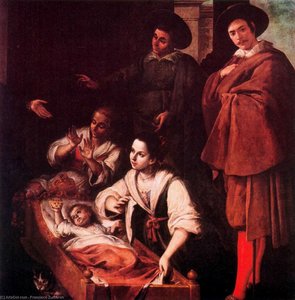
Свята Марина
 Олія на полотні
- Настінне мистецтво
- Бароко
 — Ранньомодерна епоха
 88.0 x 111.0 cm
 Museo Carmen Thyssen Málaga
 Читати далі
Гікле / Художній принт
Музейна якість друку جيкле або на полотні з оперативним виготовленням та різноманітними варіантами фінішної обробки. ( Купити картину ручної роботи Перейти до цифрових зображень)




P118B $10

P118H $10

P118W $10

P438Z $10

P508JH $12

P508YH $12

P805H $10

P805Z $10

P919BZ $10

P919G $10

P919XJ $10

P959ZH $10

P968JZ $12

W106C $8

W218G $10

W218JH $8

W218Y $10

W307PJ $10

W316G $10

W316PJ $8

W316Y $10

W398PJ $8

W4111J $10

W500HY $15

W500JH $15

W692G $12

W849H $8

W940BG $15

W953PJ $8




Обирайте з наших стандартних розмірів, що відповідають оригінальним пропорціям твору мистецтва.

Ви можете вказати власні розміри, щоб репродукція ідеально підійшла до конкретної рами або інтер'єру. Якщо обраний вами розмір не відповідає пропорціям оригіналу, ми або обріжемо полотно, або розширимо зображення за допомогою дзеркального відображення чи суцільної заливки країв. Перед початком виробництва вам буде надіслано цифровий макет для затвердження.
Будь ласка, зверніть увагу, що попередній перегляд на екрані не відображає фактичне обрізання або розширення. Тільки макет точно покаже фінальну композицію.
Хоча можливість замовлення індивідуальних розмірів доступна, ми рекомендуємо обирати формат із попередньо визначеного списку, щоб зберегти оригінальні пропорції.
Доставка по всьому світу () за 2 тижні замість стандартних 4/5 тижнів. (27 Вересень)

Безкоштовна експрес-доставка по всьому світу

Високоякісне лляне полотно

Повне страхове покриття доставки

Гарантія повернення митних зборів

Гарантія точного відтворення кольорів

Політика повернення протягом 100 днів (лише у разі виявлення дефектів)

Гарантія повернення 100% коштів

Знижка на оптові замовлення
 Скляний варіант доступний лише для розмірів до 110 см

Свята Марина
Гікле / Художній принт
Розмір репродукції
-


Загальна вартість
$ 80
Видіння суворої побожності
У тиші полотна Франсіско Мартінеса де Сурбарана Свята Марина глядач зустрічає не просто портрет; він входить у простір глибокої духовної нерухомості. Сурбарана, якого часто називають «іспанським Караваджо», наділяв неповтоданою здатністю перетворювати полотно на сцену для божественного споглядання. У цьому зображенні іспанської діви та мучениці в повний зріст (три чверті) художник уникає театральної пишності, притаманної багатьом творам бароко, обираючи натомість суворий, безкомпромісний реалізм. Свята постає з порожнечі майже повної темряви, її постать висічена єдиним драматичним джерелом світла, що є втіленням майстерності кьяроскуро. Ця гра тіні та люмінесценції не просто освітлює її риси; вона вдихає життя в саму тканину її існування, створюючи відчуття присутності, яка здається водночас миттєвою та вічною.
Композиція є справжнім майстер-класом зосередженої простоти. Розташована трохи збоку, Свята Марина зустрічає поглядом глядача з виразом обличчя, що балансує між безтурботною побожністю та щемливим, меланхолійним смиренням. Кожен елемент її вбрання слугує тому, щоб заземлити її святість у відчутному світі. Важкі, текстуровані складки її яскраво-червоної вовняної спідниці та глибокої зеленої верхньої спідниці передані з такою тактильною точністю, що можна майже відчути вагу тканини. На фоні стриманості її білої сорочки та коміра ці насичені, земні тони стають візуальним якорем, тоді як витончені органічні вигини її силуету чудово контрастують із жорсткою вертикальністю її постави. Навіть включення незвичних фольклорних елементів, таких як сумочки, що висять на її руці, додає шар гуманізуючої деталі, долаючи прірву між небесною мученицею та повсякденною віруючою.
Символізм та мистецтво світла
Окрім своєї візуальної величі, Свята Марина є глибокою медитацією на віру та витривалість. Предмети, які тримає свята — молитовник і жезл — є не просто аксесуарами, а потужними символами її духовного шляху та майбутньої мученицької смерті. Ці іконічні деталі, виконані з чіткими контурами та ретельною увагою до дрібниць, запрошують спостерігача замислитися над вагою релігійного обов'язку та силою, яку дарує відданість. Техніка Сурбарана, що характеризується щільним, компактним мазком та витонченою лесуванням, дозволяє досягти люмінесцентної якості, яка, здається, виходить із самої постаті. Шкіра має майже порцелянову гладкість, створюючи делікатний контраст із грубими текстурами вовни та атмосферною глибиною темного фону.
Для витонченого колекціонера або дизайнера інтер'єру цей шедевр пропонує неперевершену можливість привнести відчуття історичної вагомості та тихої елегантності в простір. Стримавана палітра картини — чорний, глибокий червоний та приглушений зелений — дозволяє їй безшметно інтегруватися в сучасне вишукане середовище, виступаючи фокусною точкою, що привертає увагу, не перевантажуючи оточення. Це твір, який не вимагає уваги через шум, а завойовує її завдяки захопливій, безмовній інтенсивності. Володіти репродукцією такого значущого твору — означає принести фрагмент Іспанського Золотого віку в сучасний дім, зробивши його постійним нагадуванням про красу, знайдену в простоті, та незламну силу людського духу.
Біографія митця
Early Life and Formation in Extremadura
Francisco de Zurbarán, born in Fuente de Cantos, Extremadura, Spain, in 1598, emerged from a region steeped in religious fervor and rural austerity—qualities that would profoundly shape his artistic vision. Though details of his earliest training remain somewhat elusive, we know he initially apprenticed with the local painter Alejandro de la Mina before moving to Seville to study under Alonso de Najera. It was within Najera’s workshop that Zurbarán began to absorb the burgeoning Baroque style, a dramatic departure from the more restrained artistic traditions of previous generations. Even in these formative years, a remarkable talent for capturing realistic detail and imbuing his subjects with emotional weight became apparent, hinting at the distinctive path he would forge as an artist. The stark landscapes and devout atmosphere of Extremadura instilled within him a sensibility that favored simplicity, solemnity, and a deep engagement with spiritual themes—characteristics that would define his mature work. His early exposure to the intense religious life of his native region undoubtedly contributed to his later focus on depicting saints, monks, and scenes of piety.The Seville Period: Establishing a Singular Style
By 1614, Zurbarán had established himself in Seville, a vibrant cultural hub and the gateway to Spain’s vast American colonies. He quickly rose to prominence, establishing a successful workshop and attracting numerous commissions, primarily for religious paintings intended for churches, monasteries, and private devotional use. This period witnessed the full flowering of his signature style—a compelling blend of stark realism and intense spirituality. His early works already showcased a masterful command of *tenebrism*, a technique borrowed from Caravaggio that employed dramatic contrasts between light and shadow to create a sense of drama and emphasize the emotional intensity of his subjects. He wasn’t merely replicating what he saw; he was striving to reveal an inner truth, a profound spiritual presence within each figure. His paintings weren't simply representations of saints or biblical scenes; they were invitations to contemplation, designed to evoke a visceral response in the viewer. The influence of earlier Spanish masters like Juan Sánchez Cotán, known for his austere still lifes and precise realism, is also evident in Zurbarán’s early work, as well as the sculptural traditions prevalent in Seville at the time.Master of Tenebrism and Religious Devotion
Zurbarán's artistic prowess lay in his ability to transform religious narratives into powerfully moving visual experiences. He became renowned for his depictions of monks, nuns, martyrs, and saints—figures often portrayed in moments of profound contemplation or suffering. His *Immaculate Conception* (c. 1635), housed in the Museo de Bellas Artes in Bilbao, exemplifies this mastery; the Virgin Mary is depicted with a serene dignity, bathed in ethereal light against a dark background, conveying both purity and divine grace. Similarly, his *Agnus Dei* (c. 1640), now part of the Metropolitan Museum of Art collection, presents a poignant image of Christ as the sacrificial lamb, radiating an aura of solemnity and sacrifice. The *Sudarium of St Veronica*, with its haunting depiction of the veil bearing the imprint of Christ’s face, showcases his exceptional control over tenebrism and emotional depth. He didn't shy away from portraying the physical realities of faith—the austerity of monastic life, the pain of martyrdom—but always infused these scenes with a sense of reverence and spiritual significance. His *St Francis Receiving the Stigmata* demonstrates his ability to depict profound spiritual experiences with remarkable sensitivity and realism. The series of paintings depicting Carthusian monks further exemplifies his skill in portraying austere religious life, capturing their quiet devotion and inner peace.Royal Patronage and Lasting Legacy
Around 1630, Zurbarán achieved a significant milestone in his career when he became a court painter to Philip IV. This appointment brought him increased recognition and access to royal commissions, further solidifying his reputation as one of Spain’s leading artists. However, despite this success, his popularity waned somewhat in later years with the rise of different artistic tastes. The economic hardships facing Spain during the mid-17th century also impacted his ability to secure large-scale projects. Nevertheless, Zurbarán continued to work diligently, adapting his style and exploring new themes. His influence on Spanish Baroque art is undeniable; his dramatic use of chiaroscuro and his focus on religious themes inspired generations of artists. A circle of followers, known as the “Zurbaranistas,” emerged, continuing to push the boundaries of tenebrism and explore the expressive possibilities of light and shadow. Though he passed away in 1664, Francisco de Zurbarán left behind a rich artistic legacy that continues to be celebrated today, securing his place as one of Spain’s most important Baroque painters—a master of religious art whose works continue to resonate with viewers centuries later.- Notable Works: Immaculate Conception (c. 1635), Agnus Dei (c. 1640), Sudarium of St Veronica, St Francis Receiving the Stigmata, Paintings of Carthusian Monks.
- Historical Significance: Zurbarán’s influence on Spanish Baroque is undeniable; his use of chiaroscuro and his focus on religious themes inspired generations of artists.

Франсіско де Сурбаран
1598 - 1664 , Іспанія
Довідкова інформація
- Artistic Movement Or Style: Бароко, Тенебризм
- Artists Or Movements Influenced By This Artist: ['Caravaggio']
- Artists Who Influenced This Artist: ['Juan Sánchez Cotán']
- Date Of Birth: 1598
- Date Of Death: 1664
- Full Name: Francisco de Zurbarán
- Nationality: Іспанець
- Notable Artworks:
- Immaculate Conception
- Agnus Dei
- St Francis Receiving Stigmata
- Place Of Birth: Fuente de Cantos, Іспанія
Схожі статті

The Golden Age Reforged: Dramatic Realism & Religious Zeal in Spanish Baroque Art
Explore the dramatic world of Spanish Baroque art! Discover masters like Zurbarán & the powerful influence of religious zeal on painting techniques – a guide for collectors and enthusiasts.
The Dramatic Flourish: Exploring Themes of Power, Faith & Emotion in Baroque Artworks
Explore the dramatic world of Baroque art! Discover masters like Zurbarán & the powerful influence of religious zeal on painting techniques. Expert insights for collectors and enthusiasts.

The Dramatic Flourish: Exploring the Baroque Movement's Enduring Legacy in Art History
Explore the dramatic world of Baroque art! Discover iconic artists like Caravaggio & Rubens, defining techniques, and its lasting impact on art history. Expert insights for collectors & enthusiasts at OriginalUniqueArt.

Francisco de Zurbarán: Mysticism, Realism & the Golden Age of Spanish Painting
Explore the captivating world of Francisco de Zurbarán, a master of Spanish Baroque painting. Discover his dramatic tenebrism, religious masterpieces like 'La Porciúncula,' and lasting influence on art history.

Топ-25 шедеврів Гойї: історія мистецтва для вашого дому | OriginalUniqueArt
Відкрийте 25 шедеврів Франсіско Гойї! Історія мистецтва, глибокі портрети та темні офорти іспанського романтизму. Купіть репродукції картин Гойї для вашого дому на OriginalUniqueArt.com – музейна якість та бездоганний декор.