Переглянути в інтер'єрі
 Надіслати
 Поділитися
 Деталі
 Посібник

 Завантажити
 Схожі предмети колекціонування
 Рентгенівське дослідження
 Слайд-шоу
 Статистика переглядів
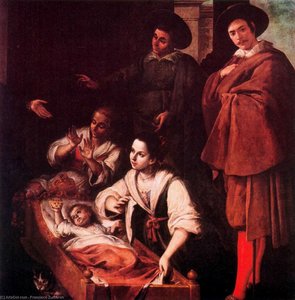
Народження святого Петра Ноласко


 Читати далі
Гікле / Художній принт
Музейна якість друку جيкле або на полотні з оперативним виготовленням та різноманітними варіантами фінішної обробки. ( Купити картину ручної роботи Перейти до цифрових зображень)




P118B $10

P118H $10

P118W $10

P438Z $10

P508JH $12

P508YH $12

P805H $10

P805Z $10

P919BZ $10

P919G $10

P919XJ $10

P959ZH $10

P968JZ $12

W106C $8

W218G $10

W218JH $8

W218Y $10

W307PJ $10

W316G $10

W316PJ $8

W316Y $10

W398PJ $8

W4111J $10

W500HY $15

W500JH $15

W692G $12

W849H $8

W940BG $15

W953PJ $8




Обирайте з наших стандартних розмірів, що відповідають оригінальним пропорціям твору мистецтва.

Ви можете вказати власні розміри, щоб репродукція ідеально підійшла до конкретної рами або інтер'єру. Якщо обраний вами розмір не відповідає пропорціям оригіналу, ми або обріжемо полотно, або розширимо зображення за допомогою дзеркального відображення чи суцільної заливки країв. Перед початком виробництва вам буде надіслано цифровий макет для затвердження.
Будь ласка, зверніть увагу, що попередній перегляд на екрані не відображає фактичне обрізання або розширення. Тільки макет точно покаже фінальну композицію.
Хоча можливість замовлення індивідуальних розмірів доступна, ми рекомендуємо обирати формат із попередньо визначеного списку, щоб зберегти оригінальні пропорції.
Доставка по всьому світу () за 2 тижні замість стандартних 4/5 тижнів. (25 Вересень)

Безкоштовна експрес-доставка по всьому світу

Високоякісне лляне полотно

Повне страхове покриття доставки

Гарантія повернення митних зборів

Гарантія точного відтворення кольорів

Політика повернення протягом 100 днів (лише у разі виявлення дефектів)

Гарантія повернення 100% коштів

Знижка на оптові замовлення
 Скляний варіант доступний лише для розмірів до 110 см

Народження святого Петра Ноласко
Гікле / Художній принт
Розмір репродукції
-


Загальна вартість
$ 80
Шедевр барокової драми: Дослідження «Поява Святого Петра Святому Петру Ноласко» Сурбарана
«Насіміння Святого Петра Ноласко», або «Поява Святого Петра Святому Петру Ноласко» Франсіско де Сурбарана є наріжним каменем іспанського бароко, уособлюючи глибоке заглиблення руху в релігійний запал та майстерну гру світлом і тінню. Написана приблизно у 1628–1630 роках, ця монументальна олія на полотні зберігається у Національному музеї Прадо в Мадриді, пропонуючи глядачам неперевершену візію художніх чуттів своєї епохи.Композиція та техніка: Сила к’яроскуро
Геніальність Сурбарана полягає насамперед у його майстерному використанні к’яроскуро — техніки, що підносить просте зображення до захоплюючої величі. На відміну від ранніх ренесансних стилів, які надавали пріоритет натуралістичному зображенню, барокові митці свідомо використовували драматичні контрасти між світлом і темрявою, щоб виточити форму та наповнити сцену відчутною емоцією. Художник ретельно передає фігури, омиті ефірним сяйвом, що виходить із єдиного джерела — ймовірно, розташованого над колискою, — тоді як решта композиції огортається глибокими тінями. Ця техніка не є лише стилістичною; вона слугує каналом для передачі духовного роздуму, підкреслюючи святості моменту та акцентуючи божественну присутність, яку відчувають Святий Петро Ноласко та його супутники. Пильний погляд художника на деталях — очевидний у текстурах драпірувань та обличчях фігур — додатково підсилює це враження реалізму, насиченого символічним значенням.Історичний контекст: Віра під обложею
Бароковий період став свідком палкого католицького відродження по всій Європі, яке живилося тривогою навколо протестантської Реформації. Іспанія під владою Філіпа IV зіткнулася із значними викликами для свого домінування, і мистецтво слугувало потужним інструментом для підтвердження релігійної набожності та зміцнення королівської влади. Твір Сурбарана відображає цей клімат духовного терміновості, зображуючи Святого Петра Ноласко — засновника Ордену Милосердя — який отримує божественне натхнення від самого Святого Петра. Це зображення ідеально узгоджується з ширшим художнім трендом зображення святих у задумливих позах, підкреслюючи їхню відданість та висвітлюючи важливість молитви та аскетизму — цінностей, центральних для католицької догматики того часу. Музей Сан-Карло-ай-Катінарі в Римі зберігає чудову колекцію барокового мистецтва, включаючи роботи Нікколо Берреттоні, пропонуючи відвідувачам можливість оцінити подібні художні вирази, корінні у вірі та традиції.Символізм: Світло як божественне одкровення
Поза технічною досконалістю, «Насіміння Святого Петра Ноласко» переповнене символічним змістом. Просвітлене світло символізує божественну благодать та просвітлення — саму сутність духовного осяяння. Воно освітлює обличчя Святого Петра, передаючи його непохитну віру та підкреслюючи перетворюючу силу молитви. Так само тіні символізують смирення та темряву — визнання людських обмежень тих, хто прагне святості. Включення кота, що сховався біля колиски, додає ще один рівень символізму, який часто тлумачиться як зображення чистоти та пильності — якостей, вважаних необхідними для збереження духовної чесноти.Спадщина, що триває через відтворення
Сьогодні високоякісні відтворення шедевру Сурбарана доступні на OriginalUniqueArt.com та інших платформах, дозволяючи ентузіастам мистецтва по всьому світу відчути глибоку красу та емоційну глибину цього культового твору. Як свідчення незгасного впливу Сурбарана, поряд із такими митцями, як Петер Пауль Рубенс та Дієго Веласкес, «Насіміння Святого Петра Ноласко» продовжує надихати благоговіння та роздуми — вічне нагадування про силу мистецтва передавати духовні істини та підносити людський дух.Біографія митця
Early Life and Formation in Extremadura
Francisco de Zurbarán, born in Fuente de Cantos, Extremadura, Spain, in 1598, emerged from a region steeped in religious fervor and rural austerity—qualities that would profoundly shape his artistic vision. Though details of his earliest training remain somewhat elusive, we know he initially apprenticed with the local painter Alejandro de la Mina before moving to Seville to study under Alonso de Najera. It was within Najera’s workshop that Zurbarán began to absorb the burgeoning Baroque style, a dramatic departure from the more restrained artistic traditions of previous generations. Even in these formative years, a remarkable talent for capturing realistic detail and imbuing his subjects with emotional weight became apparent, hinting at the distinctive path he would forge as an artist. The stark landscapes and devout atmosphere of Extremadura instilled within him a sensibility that favored simplicity, solemnity, and a deep engagement with spiritual themes—characteristics that would define his mature work. His early exposure to the intense religious life of his native region undoubtedly contributed to his later focus on depicting saints, monks, and scenes of piety.The Seville Period: Establishing a Singular Style
By 1614, Zurbarán had established himself in Seville, a vibrant cultural hub and the gateway to Spain’s vast American colonies. He quickly rose to prominence, establishing a successful workshop and attracting numerous commissions, primarily for religious paintings intended for churches, monasteries, and private devotional use. This period witnessed the full flowering of his signature style—a compelling blend of stark realism and intense spirituality. His early works already showcased a masterful command of *tenebrism*, a technique borrowed from Caravaggio that employed dramatic contrasts between light and shadow to create a sense of drama and emphasize the emotional intensity of his subjects. He wasn’t merely replicating what he saw; he was striving to reveal an inner truth, a profound spiritual presence within each figure. His paintings weren't simply representations of saints or biblical scenes; they were invitations to contemplation, designed to evoke a visceral response in the viewer. The influence of earlier Spanish masters like Juan Sánchez Cotán, known for his austere still lifes and precise realism, is also evident in Zurbarán’s early work, as well as the sculptural traditions prevalent in Seville at the time.Master of Tenebrism and Religious Devotion
Zurbarán's artistic prowess lay in his ability to transform religious narratives into powerfully moving visual experiences. He became renowned for his depictions of monks, nuns, martyrs, and saints—figures often portrayed in moments of profound contemplation or suffering. His *Immaculate Conception* (c. 1635), housed in the Museo de Bellas Artes in Bilbao, exemplifies this mastery; the Virgin Mary is depicted with a serene dignity, bathed in ethereal light against a dark background, conveying both purity and divine grace. Similarly, his *Agnus Dei* (c. 1640), now part of the Metropolitan Museum of Art collection, presents a poignant image of Christ as the sacrificial lamb, radiating an aura of solemnity and sacrifice. The *Sudarium of St Veronica*, with its haunting depiction of the veil bearing the imprint of Christ’s face, showcases his exceptional control over tenebrism and emotional depth. He didn't shy away from portraying the physical realities of faith—the austerity of monastic life, the pain of martyrdom—but always infused these scenes with a sense of reverence and spiritual significance. His *St Francis Receiving the Stigmata* demonstrates his ability to depict profound spiritual experiences with remarkable sensitivity and realism. The series of paintings depicting Carthusian monks further exemplifies his skill in portraying austere religious life, capturing their quiet devotion and inner peace.Royal Patronage and Lasting Legacy
Around 1630, Zurbarán achieved a significant milestone in his career when he became a court painter to Philip IV. This appointment brought him increased recognition and access to royal commissions, further solidifying his reputation as one of Spain’s leading artists. However, despite this success, his popularity waned somewhat in later years with the rise of different artistic tastes. The economic hardships facing Spain during the mid-17th century also impacted his ability to secure large-scale projects. Nevertheless, Zurbarán continued to work diligently, adapting his style and exploring new themes. His influence on Spanish Baroque art is undeniable; his dramatic use of chiaroscuro and his focus on religious themes inspired generations of artists. A circle of followers, known as the “Zurbaranistas,” emerged, continuing to push the boundaries of tenebrism and explore the expressive possibilities of light and shadow. Though he passed away in 1664, Francisco de Zurbarán left behind a rich artistic legacy that continues to be celebrated today, securing his place as one of Spain’s most important Baroque painters—a master of religious art whose works continue to resonate with viewers centuries later.- Notable Works: Immaculate Conception (c. 1635), Agnus Dei (c. 1640), Sudarium of St Veronica, St Francis Receiving the Stigmata, Paintings of Carthusian Monks.
- Historical Significance: Zurbarán’s influence on Spanish Baroque is undeniable; his use of chiaroscuro and his focus on religious themes inspired generations of artists.

Франсіско де Сурбаран
1598 - 1664 , Іспанія
Довідкова інформація
- Artistic Movement Or Style: Бароко, Тенебризм
- Artists Or Movements Influenced By This Artist: ['Caravaggio']
- Artists Who Influenced This Artist: ['Juan Sánchez Cotán']
- Date Of Birth: 1598
- Date Of Death: 1664
- Full Name: Francisco de Zurbarán
- Nationality: Іспанець
- Notable Artworks:
- Immaculate Conception
- Agnus Dei
- St Francis Receiving Stigmata
- Place Of Birth: Fuente de Cantos, Іспанія
Схожі статті
The Golden Age Reforged: Dramatic Realism & Religious Zeal in Spanish Baroque Art
Explore the dramatic world of Spanish Baroque art! Discover masters like Zurbarán & the powerful influence of religious zeal on painting techniques – a guide for collectors and enthusiasts.

Топ-25 шедеврів Гойї: історія мистецтва для вашого дому | OriginalUniqueArt
Відкрийте 25 шедеврів Франсіско Гойї! Історія мистецтва, глибокі портрети та темні офорти іспанського романтизму. Купіть репродукції картин Гойї для вашого дому на OriginalUniqueArt.com – музейна якість та бездоганний декор.
The Dramatic Flourish: Exploring Themes of Power, Faith & Emotion in Baroque Artworks
Explore the dramatic world of Baroque art! Discover masters like Zurbarán & the powerful influence of religious zeal on painting techniques. Expert insights for collectors and enthusiasts.

The Dramatic Flourish: Exploring the Baroque Movement's Enduring Legacy in Art History
Explore the dramatic world of Baroque art! Discover iconic artists like Caravaggio & Rubens, defining techniques, and its lasting impact on art history. Expert insights for collectors & enthusiasts at OriginalUniqueArt.

Francisco de Zurbarán: Mysticism, Realism & the Golden Age of Spanish Painting
Explore the captivating world of Francisco de Zurbarán, a master of Spanish Baroque painting. Discover his dramatic tenebrism, religious masterpieces like 'La Porciúncula,' and lasting influence on art history.