

 Переглянути в інтер'єрі
 Надіслати як листівку
 Поділитися
 Детальніше

 Завантажити
 Схожі експонати
 Рентгенівське дослідження
 Слайд-шоу
Свічарка Ангел
 Акрил на полотні
- Настінне мистецтво
- Renaissance Revival
 1466
1466 139.0 x 42.0 cm
 Кастель Сфорческо
 Читати далі
Олійная репродукція ручної роботи
Написана вручну олією на полотні у вашому розмірі та рамі, виготовлена на замовлення нашими художниками. ( Замовити принт Купити цифрове зображення)




P118B $10

P118H $10

P118W $10

P438Z $10

P508JH $12

P508YH $12

P805H $10

P805Z $10

P919BZ $10

P919G $10

P919XJ $10

P959ZH $10

P968JZ $12

W106C $8

W218G $10

W218JH $8

W218Y $10

W307PJ $10

W316G $10

W316PJ $8

W316Y $10

W398PJ $8

W4111J $10

W500HY $15

W500JH $15

W692G $12

W849H $8

W940BG $15

W953PJ $8




Обирайте з наших стандартних розмірів, що відповідають оригінальним пропорціям твору мистецтва.

Ви можете вказати власні розміри, щоб репродукція ідеально підійшла до конкретної рами або інтер'єру. Якщо вибраний вами розмір не відповідає пропорціям оригіналу, ми або обріжемо полотно, або доповнимо картину додатковими елементами, промальованими вручну. Цифровий макет буде надіслано вам на затвердження перед початком виробництва.
Зверніть увагу, що попередній перегляд на екрані не відображає фактичне обрізання або розширення зображення. Тільки макет точно покаже остаточну композицію.
Хоча ми можемо виготовити виріб у нестандартному розмірі, для збереження оригінальних пропорцій рекомендуємо обирати варіанти зі встановленого списку.
Після оформлення замовлення команда OriginalUniqueArt.com зв'яжеться з клієнтом електронною поштою для отримання інструкцій та надасть попередній макет
Доставка по всьому світу () за 3–4 тижні замість стандартних 5 тижнів. (21 Серпень). Без жодних компромісів у якості.

Безкоштовна експрес-доставка по всьому світу

Високоякісне лляне полотно

Повне страхове покриття доставки

Гарантія відшкодування митних зборів

Гарантія точного відтворення кольорів

Політика повернення протягом 60 днів (лише у разі виявлення дефектів)

Гарантія повернення 100% коштів

Пропозиція на оптові замовлення
 Скляний варіант доступний лише для розмірів до 110 см

Свічарка Ангел
Матеріал репродукції
Розмір репродукції
-


Підсумкова вартість
$ 300
Опис твору
Френческо Соларі та Ангельські Торти: Символізм Італійського Відродження в Скульптурі
Італійське Відродження, період грандіозних змін у культурі та мистецтві Європи, ознаменувався відродженням античної філософії та естетики, що вплинуло на творчість художників усіх жанрів. Серед багатьох талантів того часу особливим місцем займає Френческо Соларі – скульптор, чия робота стала одним із символів епохи Відродження в Італії. Його твір "Ангели з Тортами" ("Torchbearing angels") – це шедевр ренесансної скульптури, що зберігається у музеї Мілана і продовжує вражати глядачів своєю красою та витонченістю.- Тема та Стиль: Соларі вирішив віддати шану небесним силам, використовуючи традиційний ренесансний стиль – гармонійний синтез античної класики та християнської віри. Ангели у скульптурі зображені в благородній позі, що символізує духовність і чистоту духу, характерні для Відродження.
- Техніка: Соларі майстерно володів технікою скульптури з мармуру – матеріалом, який вважався найкращим для зображення фігур людей та ангелів. Його ретельно продуманий дизайн і деталізована обробка роблять скульптуру справжнім дивом мистецтва.
- Історичний Контекст: Скульптура була створена у 1466 році під керівництвом Мікеланджело Буонарроті в Спаледе Деї Повері – древньому міланському притулку для бідних. Це був час великих релігійних та культурних змін, коли художники прагнули відтворити красу античного світу та виразити духовні цінності епохи.
- Символізм Торта: Торт у руках ангела символізує світло і віру – ключові елементи ренесансної філософії. Він також може бути інтерпретований як символ небесного благословення та захисту, що є важливим аспектом християнської міфології.
- Емоційний Вплив: Скульптура викликає у глядача відчуття гармонії та благородства. Його витончений дизайн і майстерна обробка вражають око та душу, спонукаючи до роздумів про духовність та красу світу.
Біографія митця
The Shadowed Canvas: Exploring the Life and Art of Jean-Baptiste Mongeau
Jean-Baptiste Mongeau, a name perhaps less familiar than his contemporaries, nevertheless stands as a pivotal figure in the late 18th and early 19th French art scene. Born in Lyon in 1785 – a city renowned for its silk weaving and burgeoning artistic community – Mongeau’s life was inextricably linked to the revolutionary fervor sweeping through France. While his contemporaries, like David and Géricault, grappled with grand historical narratives, Mongeau found his voice in the intimate portrayal of everyday life, particularly within the confines of domestic interiors and the quiet contemplation of rural landscapes. His work, characterized by a subtle yet profound use of light and shadow, offers a poignant glimpse into a world on the cusp of dramatic change. Mongeau’s early artistic training was somewhat unconventional. He apprenticed not with a formal academy, but under his father, a skilled cabinet maker and miniature painter. This early exposure to meticulous craftsmanship instilled in him an appreciation for detail and a deep understanding of materials – qualities that would later inform his distinctive style. However, it was the vibrant salon culture of Lyon, filled with discussions of Neoclassicism, Romanticism, and the burgeoning ideals of the Enlightenment, that truly ignited his artistic passion. He initially experimented with historical subjects, producing several small-scale portraits reflecting the aristocratic clientele of the region, but quickly found himself drawn to a more personal and observational approach. A defining moment in Mongeau’s career came during the tumultuous years of the French Revolution and its immediate aftermath. Witnessing firsthand the social upheaval and the subsequent rise of Napoleon, he began to incorporate themes of loss, memory, and the fragility of human existence into his work. This shift is particularly evident in his series of “Intérieurs” – interior scenes depicting ordinary families engaged in their daily routines. These paintings are not grand historical statements; rather, they offer a quiet meditation on the rhythms of domestic life, capturing fleeting moments of tenderness, sorrow, and contemplation. The use of muted colors, often dominated by browns, grays, and ochres, creates an atmosphere of melancholy and introspection – a deliberate departure from the brighter palettes favored by many of his contemporaries. Mongeau’s artistic influences were diverse and complex. While he admired the technical mastery of Jacques-Louis David, he rejected his overtly heroic style, preferring to explore more subtle emotional resonances. He was also deeply affected by the Romantic movement, particularly the emphasis on subjective experience and the power of nature – though he tempered this influence with a distinctly French sensibility. The works of Jean-François Millet, known for his depictions of rural life, served as an important model, demonstrating the potential to find beauty and dignity in the lives of ordinary people. Furthermore, the meticulous detail evident in his work echoes the traditions of Flemish painting, particularly the genre of “tronies” – intimate portraits capturing a single moment of emotion. Despite facing periods of financial hardship and struggling for recognition during his lifetime, Mongeau’s influence on subsequent generations of French artists is undeniable. His emphasis on realism, psychological depth, and the exploration of everyday subjects paved the way for later Impressionist painters like Renoir and Monet. His “Intérieurs” series, in particular, anticipated the focus on domestic interiors that would become a hallmark of 19th-century art. Mongeau’s work was exhibited sporadically throughout his career, primarily at smaller salons and private collections. He died in Lyon in 1847, leaving behind a modest but significant body of paintings – a testament to the quiet power of observation and the enduring beauty of the human experience.Key Works
- La Famille au Repas (1815) - A quintessential “Intérieur” depicting a family gathered around a simple meal, capturing a moment of shared intimacy.
- Le Jardinier Solitaire (1820) – A study in solitude and the beauty of the natural world, showcasing Mongeau’s ability to evoke atmosphere through subtle color variations.
- Portrait de Madame Dubois (1830) - A remarkably intimate portrait capturing a moment of quiet contemplation by a woman reading.
- Le Choeur du Village (1835) – A depiction of villagers gathered for a religious service, highlighting the importance of community and faith in rural France.
Legacy and Historical Context
Mongeau’s art is inextricably linked to the broader historical context of post-revolutionary France. The period following the Napoleonic Wars was marked by social unrest, economic hardship, and a growing sense of disillusionment with grand political narratives. Mongeau's focus on the lives of ordinary people reflected this shift in sensibility – a move away from heroic ideals towards a more grounded and humanistic perspective. His work can be seen as a subtle critique of the excesses of the aristocracy and a celebration of the resilience and dignity of the common man. Furthermore, his exploration of memory and loss resonated with the collective trauma experienced by France following decades of war and upheaval. While not widely celebrated during his lifetime, Mongeau’s quiet yet profound contributions to French art continue to be recognized today as a vital expression of the era's complex social and emotional landscape.
francesco solari
1469 , Italy
Короткі факти
- Artistic Movement Or Style: World Goes Pop
- Artists Or Movements Influenced By This Artist: ['']
- Artists Who Influenced This Artist: ['']
- Date Of Death: 1469
- Notable Artworks: ['Various works featured in The EY Exhibition']
Пов'язані статті

10 легендарних бронзових скульптур, що змінили мистецтво | OriginalUniqueArt
Відкрийте 10 легендарних бронзових скульптур, що змінили хід мистецтва! Дізнайтесь історії Мікеланджело, Родена та інших геніїв. Репродукції картин преміум-класу для вашого дому – на OriginalUniqueArt.com

The Enduring Form: Exploring Themes & Techniques in Sculpture Across Historical Periods
Explore the rich history of sculpture from ancient masterpieces to contemporary innovations. Discover key techniques, influential artists & investment potential for discerning art collectors.

10 Легендарних Бронзових Шедеврів, Які Змінили Мистецтво | OriginalUniqueArt
Відкрийте для себе 10 легендарних бронзових шедеврів, що змінили мистецтво! Історія створення, художні техніки та вплив скульпторів Ренесансу й Античності. Купуйте репродукції картин на OriginalUniqueArt.com – музейна якість для вашого дому.
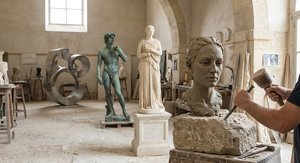
The Enduring Form: Sculpture Across History, Technique & Emotional Resonance
Explore the rich history of sculpture with OriginalUniqueArt. Discover key techniques, influential artists & investment potential for discerning collectors. Expert insights into valuing and collecting timeless masterpieces.

High Medieval Art: 10 Masterpieces That Shaped an Era | OriginalUniqueArt
Journey through High Medieval Art! Explore 10 iconic masterpieces – from Giotto's frescoes to stunning Gothic cathedrals. Discover the stories behind these timeless paintings, sculptures & illuminated manuscripts. Find museum-quality art reproductions at OriginalUniqueArt.com.



