

 Переглянути в інтер'єрі
 Надіслати
 Поділитися
 Деталі
 Посібник

 Завантажити
 Схожі предмети колекціонування
 Рентгенівське дослідження
 Слайд-шоу
 Статистика переглядів
Моя Мати
 Акрил на полотні
- Настінне мистецтво
- Surrealist Expressionism
 1926
1926 50.0 x 55.0 cm
 Kulturgeschichtliche Museum Osnabrück
 Читати далі
Гікле / Художній принт
Музейна якість друку جيкле або на полотні з оперативним виготовленням та різноманітними варіантами фінішної обробки. ( Купити картину ручної роботи Перейти до цифрових зображень)




P118B ₴10

P118H ₴10

P118W ₴10

P438Z ₴10

P508JH ₴12

P508YH ₴12

P805H ₴10

P805Z ₴10

P919BZ ₴10

P919G ₴10

P919XJ ₴10

P959ZH ₴10

P968JZ ₴12

W106C ₴8

W218G ₴10

W218JH ₴8

W218Y ₴10

W307PJ ₴10

W316G ₴10

W316PJ ₴8

W316Y ₴10

W398PJ ₴8

W4111J ₴10

W500HY ₴15

W500JH ₴15

W692G ₴12

W849H ₴8

W940BG ₴15

W953PJ ₴8




Обирайте з наших стандартних розмірів, що відповідають оригінальним пропорціям твору мистецтва.

Ви можете вказати власні розміри, щоб репродукція ідеально підійшла до конкретної рами або інтер'єру. Якщо обраний вами розмір не відповідає пропорціям оригіналу, ми або обріжемо полотно, або розширимо зображення за допомогою дзеркального відображення чи суцільної заливки країв. Перед початком виробництва вам буде надіслано цифровий макет для затвердження.
Будь ласка, зверніть увагу, що попередній перегляд на екрані не відображає фактичне обрізання або розширення. Тільки макет точно покаже фінальну композицію.
Хоча можливість замовлення індивідуальних розмірів доступна, ми рекомендуємо обирати формат із попередньо визначеного списку, щоб зберегти оригінальні пропорції.
Доставка по всьому світу () за 2 тижні замість стандартних 4/5 тижнів. (27 Вересень)

Безкоштовна експрес-доставка по всьому світу

Високоякісне лляне полотно

Повне страхове покриття доставки

Гарантія повернення митних зборів

Гарантія точного відтворення кольорів

Політика повернення протягом 100 днів (лише у разі виявлення дефектів)

Гарантія повернення 100% коштів

Знижка на оптові замовлення
 Скляний варіант доступний лише для розмірів до 110 см

Моя Мати
Гікле / Художній принт
Розмір репродукції
-


Загальна вартість
₴ 3565
Felix Nussbaum’s “My Mother” – A Silent Testament to Displacement
“My Mother,” painted in 1926 by Felix Nussbaum, stands as an arresting example of Expressionist art—a genre characterized by its fervent emotional intensity and rejection of academic conventions. More than just a portrait, it's a profound meditation on loss, resilience, and the indelible mark left upon the human spirit by trauma.
- Subject Matter: The painting depicts a woman in profile view—Nussbaum’s own mother—a figure rendered with meticulous detail despite the somber atmosphere. Her gaze is inward, conveying a palpable sense of melancholy and contemplation.
- Style & Technique: Nussbaum employed a bold Expressionist style, utilizing thick brushstrokes and contrasting colors to convey emotion rather than objective representation. The palette leans heavily on muted browns and greys, mirroring the emotional landscape of exile and uncertainty—a reflection of Nussbaum’s personal experience as a Jewish artist fleeing Nazi persecution.
- Historical Context: Created before the horrors of World War II engulfed Europe, “My Mother” foreshadows the anxieties surrounding societal upheaval and the disintegration of familial bonds that would define Nussbaum's later life. It anticipates the stylistic trends of Neue Sachlichkeit (New Objectivity), which emerged in Germany during the Weimar Republic as a reaction to Expressionism’s perceived hysteria.
- Symbolism: The inclusion of flowers—specifically lilies—adds layers of symbolic meaning. Lilies traditionally represent purity and mourning, subtly hinting at themes of grief and remembrance within the portrait's narrative. Their placement around the woman’s neck reinforces this connection to spiritual contemplation.
The painting’s impact transcends mere visual beauty; it resonates with viewers on an emotional level—eliciting empathy for those grappling with profound personal loss. Nussbaum’s masterful use of light and shadow contributes to a sense of depth and psychological realism, capturing not just the physical likeness of his mother but also her inner turmoil.
“My Mother” remains a poignant reminder that art can serve as a conduit for confronting difficult truths—a testament to Nussbaum's unwavering commitment to portraying human experience with unflinching honesty. It’s a piece that invites contemplation and encourages viewers to consider the enduring power of familial bonds in times of adversity.
Біографія митця
A Life Etched in Exile: The Haunting Vision of Felix Nussbaum
Felix Nussbaum’s story is a stark and profoundly moving testament to the power of art born from unimaginable suffering. Born in Osnabrück, Germany, in 1904, his life unfolded against the backdrop of rising nationalism and escalating persecution, culminating in the horrors of the Holocaust. He wasn't simply a victim *of* history; he was an artist who meticulously documented its impact on his soul, creating a body of work that stands as both a personal lament and a universal warning. Nussbaum’s paintings offer a rare, unflinching glimpse into the psychological landscape of displacement, fear, and ultimately, annihilation – a perspective often absent from broader historical narratives. His father, Philipp Nussbaum, a World War I veteran with an early passion for painting himself, recognized and nurtured his son's talent, providing encouragement that would prove vital in the darkening years to come. This initial support fostered a lifelong dedication to art, even as political realities increasingly constricted his path.Formative Years and Artistic Influences
Nussbaum’s artistic journey began with formal studies in Hamburg and Berlin in 1920, continuing for as long as circumstances allowed. His early work reveals a clear debt to the Post-Impressionist masters, particularly Vincent van Gogh and Henri Rousseau. The vibrant colors and expressive brushwork of these artists provided a foundation upon which Nussbaum would later build his unique style. However, he wasn’t content with mere imitation. He actively sought out new influences, drawn to the unsettling dreamscapes of Giorgio de Chirico and Carlo Carrà, pioneers of the *pittura metafisica* movement. The careful attention to color demonstrated by Carl Hofer's expressionist paintings also left a lasting impression on Nussbaum’s approach. These diverse inspirations coalesced into what would become known as his “New Objectivity” style – a blend of realism and surrealism, characterized by precise detail, unsettling compositions, and a pervasive sense of alienation. This period was marked by experimentation and growth, but the looming shadow of Nazi ideology soon threatened to extinguish his artistic promise.Exile, Isolation, and the Shadow of War
The ascent of the Nazis in 1933 irrevocably altered Nussbaum’s life. Studying on a scholarship in Rome at the Berlin Academy of the Arts, he witnessed firsthand the chilling pronouncements of Hitler's propaganda minister, outlining the tenets of Nazi art – glorification of heroism and the Aryan race. It became painfully clear that as a Jew, his place within the German artistic establishment was untenable. This realization forced him into exile, first to Paris and then to Belgium, where he married Felka Platek in 1937. The following decade was defined by fear and isolation. Despite finding some measure of safety, Nussbaum lived under constant threat, haunted by the knowledge of his parents’ perilous situation back in Germany. They had initially resisted his pleas to join them in exile, clinging to a misguided hope that things would improve, but ultimately returned home only to face the full force of Nazi persecution. This loss – the severing of his spiritual and financial support – deeply impacted Nussbaum's work, infusing it with an increasingly desperate and melancholic tone. He continued to paint prolifically during this period, finding solace and purpose in his art even as his world crumbled around him.A Testament to Suffering: Late Works and Lasting Legacy
The Nazi invasion of Belgium in 1940 marked a turning point. Nussbaum was arrested as a “hostile alien” and interned at the Saint-Cyprien camp in France, an experience that profoundly shaped his artistic vision. He managed to escape and went into hiding with Felka, relying on the generosity of friends for shelter and supplies. The final years of his life were spent in constant danger, producing some of his most powerful and haunting works. Self-Portrait with Jewish Identity Card (1943) is perhaps his most iconic painting – a stark and unflinching depiction of dehumanization, showing Nussbaum clutching the document that marked him as an outcast. Triumph of Death (1944), another masterpiece from this period, is filled with symbolic details—a crumpled music score playing “The Lambeth Walk,” a popular tune ironically juxtaposed with the surrounding despair—revealing Nussbaum’s meticulous attention to detail and his ability to imbue even mundane objects with profound meaning. Tragically, in 1944, Nussbaum's parents were murdered at Auschwitz. Shortly after, he and Felka were discovered by German forces, deported to Mechelen transit camp, and ultimately sent to Auschwitz themselves, where Felix was murdered upon arrival in August of that year. His brother and sister-in-law followed soon after, completing the annihilation of his family within a single year. Despite this unimaginable loss, Nussbaum’s art endures as a powerful testament to the resilience of the human spirit and a chilling reminder of the horrors of the Holocaust. The Felix Nussbaum Haus in Osnabrück stands as a fitting tribute to his life and work, ensuring that his voice continues to resonate for generations to come. His inclusion in documentaries like *Eyewitness* further solidifies his place among those artists who bore witness to history’s darkest chapters.
Фелікс Нюсбаум
1904 - 1945 , Німеччина
Довідкова інформація
- Artistic Movement Or Style: Сучасний об'єктний стиль / Surrealizm
- Artists Who Influenced This Artist:
- Вінсент ван Гог
- Генрі Россуа
- Джорджіо Де Черіко
- Карло Карра
- Керл Хофер
- Date Of Birth: 1904
- Date Of Death: 1945
- Full Name: Felix Nussbaum
- Nationality: Німецько-єврейський
- Notable Artworks:
- Автопортрет із свідоцтвом про єврейську ідентифікацію
- Тріумф смерті
- Живопис Фельки Платкек
- Маскарад
- Циган
- Place Of Birth: Osnabrück, Німеччина
Схожі статті

Unmasking Emotion: A Journey Through the Raw Power and Visceral Beauty of German Expressionism
Explore the raw emotional power of German Expressionism. From Kirchner to Die Brücke, discover how artists used distortion and vibrant color to unmask the human psyche. A deep dive into art history for the discerning collector and enthusiast.

Figurative Expressionism: Emotional Intensity & Subjective Reality in 20th-Century Art
Explore the powerful world of Figurative Expressionism with OriginalUniqueArt. Discover key artists like Kirchner & Beckmann, understand its emotional depth, and learn how to collect this influential 20th-century art movement.
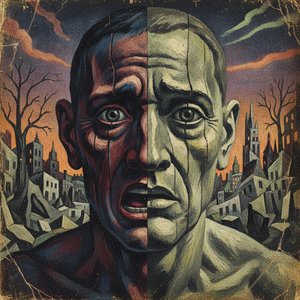
Unmasking Emotion: A Definitive Guide to the Raw Power and Visceral Beauty of German Expressionism
Explore the visceral power of German Expressionism. From Ernst Ludwig Kirchner to Die Brücke, discover how bold colors and distorted forms unmask raw human emotion in this expert art history guide for collectors and enthusiasts.

10 шедеврів німецького експресіонізму, що змінили мистецтво | OriginalUniqueArt
Пориньте у світ німецького експресіонізму! 10 шедеврів від Кандинського, Кірхнера та інших – історія творчості, емоцій та кольорів. Купуйте репродукції картин на OriginalUniqueArt.com та створіть неповторний інтер'єр.
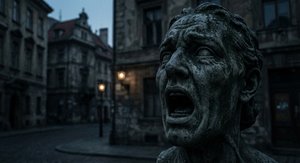
The Visceral Cry of a Nation: Exploring Emotion & Distortion in German Expressionism
Explore the powerful world of German Expressionism with OriginalUniqueArt. Discover Kirchner, Nolde & Die Brücke's emotive masterpieces. Learn about this pivotal art movement and its lasting impact on modern art.
