

 Переглянути в інтер'єрі
 Надіслати як листівку
 Поділитися
 Деталі витвору
 Посібник

 Завантажити
 Схожі екземпляри
 Рентгенівське дослідження
 Слайд-шоу
 Статистика
Вікно
 Акрил на полотні
- Настінне мистецтво
- Indian Naturalism
 1927
1927 42.0 x 37.0 cm
 Museu do Oriente
 Розгорнути текст
Олійная репродукція ручної роботи
Написана вручну олією на полотні у вашому розмірі та рамі, виготовлена на замовлення нашими художниками. ( Перейти до друку Перейти до цифрових зображень)




P118B ₴10

P118H ₴10

P118W ₴10

P438Z ₴10

P508JH ₴12

P508YH ₴12

P805H ₴10

P805Z ₴10

P919BZ ₴10

P919G ₴10

P919XJ ₴10

P959ZH ₴10

P968JZ ₴12

W106C ₴8

W218G ₴10

W218JH ₴8

W218Y ₴10

W307PJ ₴10

W316G ₴10

W316PJ ₴8

W316Y ₴10

W398PJ ₴8

W4111J ₴10

W500HY ₴15

W500JH ₴15

W692G ₴12

W849H ₴8

W940BG ₴15

W953PJ ₴8




Обирайте з наших стандартних розмірів, що відповідають оригінальним пропорціям твору мистецтва.

Введіть необхідну ширину та висоту, щоб картина підійшла до вашої рами або стіни. Оскільки це ручний розпис, для зміни пропорцій художник може дописати трохи більше по краях або дещо обрізати композицію — вибір за вами. Перед початком роботи ми надішлемо вам цифровий макет для затвердження. Зображення, показане на цій сторінці, не є реальним результатом — лише макет відображає майбутній вигляд.
Після оформлення замовлення команда OriginalUniqueArt.com зв'яжеться з клієнтом електронною поштою для отримання інструкцій та надасть попередній макет
Доставка по всьому світу () за 3–4 тижні замість стандартних 5 тижнів. (26 Жовтень). Без жодних компромісів у якості.

Безкоштовна експрес-доставка по всьому світу

Високоякісне лляне полотно

Повне страхове покриття доставки

Гарантія повернення митних зборів

Гарантія точного відтворення кольорів

Політика повернення протягом 100 днів (лише у разі виявлення дефектів)

Гарантія повернення 100% коштів

Пропозиція на оптові замовлення
 Скляний варіант доступний лише для розмірів до 110 см

Вікно
Матеріал репродукції
Розмір репродукції
-


Підсумкова вартість
₴ 13465
Антоній Жозе́ Фредерік Тріндаде та Його Вікна З Джерелом
Вінок із джерелом Антона Жозе́ Фредеріка Тріндаде – це не просто картина; це фрагмент історії Гоанської колонії Португалії, запечатлений у світлі художника. Роботу створили у 1927 році і вона стала одним із найбільш значущих творів мистецтва цього періоду в Індії та португальській культурі. Тріндаде, щось більше ніж просто художник – це культурний мостик між Заходом та Сходом, між академічним навчанням та глибинним розумінням місцевої традиції. Його творчість відзначається особливою увагою до деталей та вмінням передати атмосферу часу.- Тема та Композиція: Картина зображує сільське містечко, де жінка тягне воду з колодязя для сім'ї. Додано елементи природного ландшафту – пальми кокоса та густі ліси, що створюють відчуття спокою та гармонії. Центральною фігурою є жінка біля колодязя, оточена трьома собаками, що додає живої динаміки сцені.
- Стиль та Техніка: Тріндаде працював у стилі натуралізму, характерному для початку XX століття. Він використовував техніку олійних фарб на полотні, забезпечуючи високий рівень деталізації та передачі світла та тіні. Його стиль відзначається тонкою лінійкою та гармонійним використанням кольорів.
- Історичний Контекст: Картина була створена в період активної колоніальної політики Португалії в Індії, що вплинуло на художню тематику та естетику того часу. Вінок із джерелом є одним із творів Тріндаде, які відображають реальність життя Гоанських сільських жителів.
- Символізм: Колодязь у картині символізує чистоту води та духовну освіту. Він також представляє важливу роль у повсякденному житті місцевого населення, що підкреслює соціальну реальність зображеного пейзажу.
- Емоційний Відгук: Вінок із джерелом викликає в глядача відчуття ностальгії за минулим часом та гармонією з природою. Його теплові кольори та деталістна передача природного ландшафту створюють атмосферу тишини та спокою, що робить його прекрасним вибором для декоративного мистецтва.
Питання та відповіді
Чи можна вільно відтворювати зображення «Вікно» роботи Антоній Жовтий Тріндаде?
Щодо авторського права, «Вікно» є є суспільним надбанням — термін дії авторського права закінчився.
Який розмір та орієнтацію рекомендується для друку «Вікно» роботи Антоній Жовтий Тріндаде?
Для репродукції «Вікно» роботи Антоній Жовтий Тріндаде рекомендується розмір Середній розмір з орієнтацією Портретна орієнтація.
Чи знаходиться твір "Вікно" у країні його автора?
Ні — твір зберігається за кордоном. Антоній Жовтий Тріндаде народився/народилася в Індія, а оригінал твору «Вікно» зберігається в музеї в Португалія.
Біографія митця
Життя, закарбоване у світлі: Світ Антоніо Хав'єра Тріндаде
Антоніо Хав'єр Тріндаде — ім'я, що звучить із тихою могутністю в анналах історії індійського мистецтва; він був не просто художником, а справжнім культурним мостом. Народившись у 1870 році в Сангемі, Гоа, у католицькій родині, він розпочав свій шлях серед пишних ландшафтів та складного колоніального полотна португальської Індії. Це середовище назавжди сформувало його художнє бачення, плекаючи унікальне поєднання західної академічної підготовки з глибоким розумінням індійського життя та характеру. Ранні таланти привели Тріндаде до престижної Школи мистецтв Сіра Джамсетджі Джіджібхоя в Бомбеї — ключового закладу, який відкрив йому двері до європейського натуралізму, водночас виховуючи нове покоління індійських митців. Саме тут, у цих священних стінах, він відточував свої навички, опановуючи техніки, які згодом визначать його фірмовий стиль і принесуть йому визнання, таке як срібна медаль Мейо за художні заслуги у 1892 році — свідчення його стрімко зростаючого таланту.Бомбейська школа та восходяча зірка
Сходження Тріндаде на болонському мистецькому олімпі було швидким і впевненим. Призначений викладачем малювання та живопису в Школі мистецтв Сіра Дж.Дж. у 1898 році, він не лише зробив внесок у освіту майбутніх поколінь, а й зміцнив свої позиції як провідної постаті Бомбейської школи. Згодом, обійнявши посаду суперинтенданта Майстерні мистецтв Рея з 1914 по 1926 рік, він ще глибше вплинув на художнє виробництво та педагогіку. Проте його успіх позначило не лише інституційне визнання, а й захоплива якість самих його робіт. Починаючи з традиційних портретів та пейзажів, Тріндаде поступово розробив стиль, що характеризувався реалізмом, чутливістю до світла та здатністю вловити психологічну глибину своїх героїв. Він здобув славу завдяки зображенню індійських жінок із гідністю та інтимністю, які рідко зустрічалися в мистецтві колоніальної епохи, пропонуючи поглянути на їхнє життя поза межами суспільних очікувань. Це принесло йому шанобливе прізвисько «Рембрандт Сходу», визнаючи як його технічну майстерність, так і глибоке розуміння людських емоцій.Теми та техніки: Синтез світів
1920-ті роки стали періодом зрілості художньої експресії Тріндаде, що позначилося посиленням уваги до портретів, пейзажів та натюрмортів. Його полотна перетворилися на вікна у життя його сучасників — заможних меценатів, членів родини та звичайних людей, де кожен образ був відтворений з ретельною деталізацією та тонким, але потужним емоційним резонансом. Картина Dolce Far Niente (Флора або Мати, що відпочиває), яка була удостоєна золотої медалі Бомбейського товариства мистецтв у 1920 році, є ідеальним прикладом цього періоду; це не просто зображення жінки на відпочинку, а дослідження материнства, спокою та тихої краси домашнього життя. Подібним чином New Year’s Song (192ло) та Hindu Girl (1930), що отримали премію губернатора, демонструють його здатність із надзвичайною чутливістю передавати культурні нюанси та індивідуальні характери. Техніка Тріндаде ґрунтувалася на західних академічних принципах — майстерному володінні кьяроскуро, точному рисуванні та витонченому розумінні теорії кольору, — проте він наповнив ці елементи індійською чутливістю, створивши унікальну візуальну мову, що долала стилістичні межі. Він не просто відтворював те, чого навчився; він трансформував це, вдихаючи в мистецтво дух своєї батьківщини.Спадщина та невмирущий вплив
Попри особисті випробування — включаючи погіршення здоров'я та згодом сліпоту на пізніх етапах життя — Тріндаде продовжував писати, підтримуваний своєю донькою Анжелою Тріндаде, яка сама була талановитою художницею та продовжила спадщину батька. Його творчість здобула ще більше визнання завдяки виставці на Фестивалі Імперії у Веслі, Лондон, у 1934 році, що представило його мистецтво міжнародній аудиторії. Сьогодні картини Антоніо Хав'єра Тріндаде є справжніми скарбами музеїв та приватних колекціонерів, найбільш значущо представлена в значній колекції Фондації Орієнте в Гоа. Постійні виставки, організовані там — зокрема спеціальна експозиція до його 150-річчя у 2021 році — гарантують, що його художнє бачення продовжуватиме надихати та захоплювати глядачів протягом багатьох поколінь. Його вплив виходить за межі простого естетичного захоплення; він уособлює поворотний момент в історії індійського мистецтва — час, коли митці почали формувати власну ідентичність, поєднуючи традицію з модернізмом та кидаючи виклик панівним колоніальним поглядам. Життя та творчість Тріндаде є свідченням сили мистецтва долати культурні кордони та освітлювати спільний людський досвід.Визначні роботи

Антоній Жовтий Тріндаде
1870 - 1935 , Індія
Короткі факти
- Artistic Movement Or Style: Бомбейська школа, Реалізм
- Date Of Birth: 1870
- Full Name: António Xavier Trindade
- Nationality: Португальський
- Notable Artworks:
- Дольче Фар Ньоте
- Новий рік
- Індійська дівчина
- Place Of Birth: Sanquém, India
Пов'язані статті

Cultivating Visions: A Historical Journey Through Rural Landscapes in Art
Explore the rich history of rural landscape painting with OriginalUniqueArt. Discover Impressionist masterpieces, key artists & movements. Find your perfect serene artwork and bring nature's beauty home.

Evocations of Place: A Historical Journey Through Landscape Art
Explore the rich history of landscape art with OriginalUniqueArt. Discover renowned artists, movements like Impressionism & Romanticism, and expert guidance for collecting timeless pieces. Find your perfect serene escape today!

Топ-10 шедеврів романтичного пейзажу: мистецтво, що захоплює дух | OriginalUniqueArt
Відкрийте для себе 10 шедеврів романтичного пейзажу! Каспар Давид Фрідріх, Тернер та інші майстри. Історія мистецтва, емоційні кольори природи та ідеї декору з OriginalUniqueArt.com. Дослідіть колекцію онлайн!
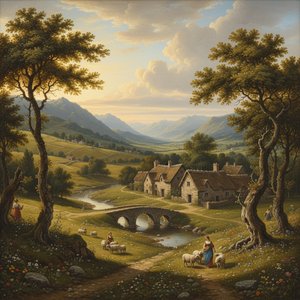
Evoking Arcadia: A Historical & Aesthetic Exploration of Rural Landscape Art
Explore the rich history of pastoral landscape art, from classical Arcadia to Impressionism & beyond. Discover key artists, movements, and how to collect serene rural scenes for your home. Expert insights at OriginalUniqueArt.

Топ-25 шедеврів Джона Констебла: пейзажі Англії для вашого дому | OriginalUniqueArt
Відкрийте для себе 25 найкращих шедеврів Джона Констебла! Англійські пейзажі, романтизм та емоційне світло в живописі. Репродукції картин високої якості для вашого дому від OriginalUniqueArt.com. Дослідіть повну колекцію онлайн!


