

 Переглянути в інтер'єрі
 Надіслати
 Поділитися
 Деталі
 Guide
Guide

 Завантажити
 Схожі предмети колекціонування
 Рентгенівське дослідження
 Слайд-шоу
 Статистика переглядів
Екце Homo


 Читати далі
Олійная репродукція ручної роботи
Написана вручну олією на полотні у вашому розмірі та рамі, виготовлена на замовлення нашими художниками. ( Перейти до друку Перейти до цифрових зображень)




P118B $10

P118H $10

P118W $10

P438Z $10

P508JH $12

P508YH $12

P805H $10

P805Z $10

P919BZ $10

P919G $10

P919XJ $10

P959ZH $10

P968JZ $12

W106C $8

W218G $10

W218JH $8

W218Y $10

W307PJ $10

W316G $10

W316PJ $8

W316Y $10

W398PJ $8

W4111J $10

W500HY $15

W500JH $15

W692G $12

W849H $8

W940BG $15

W953PJ $8




Обирайте з наших стандартних розмірів, що відповідають оригінальним пропорціям твору мистецтва.

Ви можете вказати власні розміри, щоб репродукція ідеально підійшла до конкретної рами або інтер'єру. Якщо вибраний вами розмір не відповідає пропорціям оригіналу, ми або обріжемо полотно, або доповнимо картину додатковими елементами, промальованими вручну. Цифровий макет буде надіслано вам на затвердження перед початком виробництва.
Зверніть увагу, що попередній перегляд на екрані не відображає фактичне обрізання або розширення зображення. Тільки макет точно покаже остаточну композицію.
Хоча ми можемо виготовити виріб у нестандартному розмірі, для збереження оригінальних пропорцій рекомендуємо обирати варіанти зі встановленого списку.
Після оформлення замовлення команда OriginalUniqueArt.com зв'яжеться з клієнтом електронною поштою для отримання інструкцій та надасть попередній макет
Доставка по всьому світу () за 3–4 тижні замість стандартних 5 тижнів. (20 Вересень). Без жодних компромісів у якості.

Безкоштовна експрес-доставка по всьому світу

Високоякісне лляне полотно

Повне страхове покриття доставки

Гарантія повернення митних зборів

Гарантія точного відтворення кольорів

Політика повернення протягом 100 днів (лише у разі виявлення дефектів)

Гарантія повернення 100% коштів

Знижка на оптові замовлення
 Скляний варіант доступний лише для розмірів до 110 см

Екце Homo
Техніка репродукції
Розмір репродукції
-


Загальна вартість
$ 300
Антоній Етекс і Його Шедевр "Екзе Хром"
Антоній Етекс (1808-1888) – французький скульптор та живописець, який увійшов до історії як майстер нікейської школи та один із ключових творців мистецтва кінця XIX століття. Його полотно "Екзе Хром" не лише вражає технікою виконання, але й переносить глядача в епоху великих змін і пошуків духовного сенсу.
Символіка та Історія Шедевра
Створений у 1856 році Етекс у співпраці з художником Еліасом Гарсією Мартінесом, скульптурний ансамбль "Екзе Хром" є одним із найвідоміших зображень Ісуса Христа в нікейському стилі. Він був написаний у період епохи імперії Віктора Короля та відзначається особливою увагою до деталізації та передачі емоційного стану фігури Христа.
Скульптура була замовлена для храму Святого Євстахія в Парижі, що символізує прагнення духовенства до естетичної гармонії та виразності у внутрішньому оформленні храмів. Етекс був одним із небагатьох художників того часу, хто зміг поєднати традиції класичної скульптури з впливом романтизму.
Техніка та Стиль Нікейської Школи
Етекс майстерно володів технікою скульптурування у камені, використовуючи традиційні методи роботи з мармуром. Його полотно виконане в нікейському стилі – особливості якого полягають у відданості класичним формам та пропорціям, а також у прагненні до ідеалізації фігур. Етекс був одним із представників школи Еліаса Гарсії Мартінеса, яка характеризувалася великою увагою до детальної передачі анатомії та динаміки руху.
Екзе Хром демонструє майстерність нікейської школи у виконанні фігур і архітектурного фону. Сильні лінії визначають контури скульптури та архітектурних елементів, а світлотінь створює вражаючі ефекти перспективи та підкреслює обсяг фігур.
Емоційний Відбиток Шедевра
"Екзе Хром" викликає в глядача відчуття благоговіння перед Богом і глибокого співчуття до страждань Ісуса Христа. Підняті руки Христа символізують смирення та прийняття своєї долі, а ангели навколо нього – присутність небесного світла та милосердя.
Цей шедевр є пам'яткою епохи нікейської школи та одним із найвиразніших творів мистецтва кінця XIX століття. Його краса та глибина символізму продовжують захоплювати глядачів і сьогодні.
Біографія митця
A Life Bridging Worlds: Antoine Étex and the French Artistic Transition
Antoine Étex, born in Paris in 1808 and passing away in Chaville in 1888, occupies a fascinating, if sometimes overlooked, position within the landscape of 19th-century French art. He was an artist of remarkable versatility—a sculptor first and foremost, but also a painter and architect—who embodied the shifting currents that moved France from the formality of Neoclassicism toward the emotional intensity of Romanticism. Étex’s career wasn't defined by radical innovation, but rather by a skillful synthesis of tradition and emerging sensibilities, making his work a compelling reflection of its era. His early aptitude for the arts led him to formal training in sculpture, a discipline that would remain central to his artistic identity throughout his life, instilling within him a meticulous technique and deep understanding of classical forms.Early Recognition and Monumental Commissions
Étex first presented his work to the public at the prestigious Paris Salon in 1833, immediately signaling his arrival as a talent to watch. Two pieces were exhibited that year: a marble reproduction of *Death of Hyacinthus* and a plaster cast titled *Cain and His Race Cursed by God*. These early works demonstrated not only technical proficiency but also an ability to imbue mythological narratives and biblical scenes with dramatic weight and emotional resonance. However, it was a commission from Adolphe Thiers, then Minister of Public Works, that truly propelled Étex into the forefront of French artistic life. He was entrusted with creating the sculptural groups of *Peace* and *War* intended to adorn the east facade of the Arc de Triomphe. Completed between 1833 and 1837, these monumental sculptures were more than just decorative elements; they were statements of national identity and civic virtue, and their successful execution cemented Étex’s reputation as a leading sculptor of his generation. The scale and ambition of this project established him as an artist capable of handling large-scale public works with both technical skill and artistic vision.A Diverse Oeuvre: Sculpture, Painting, and Architecture
While best known for the Arc de Triomphe sculptures, Étex’s creative output was remarkably diverse. His oeuvre encompassed a wide range of sculptural groups exploring mythological and religious themes, demonstrating his continued engagement with classical subject matter. Beyond sculpture, he also undertook architectural projects, designing tombs and monuments that showcased his understanding of spatial relationships and decorative detail. Perhaps surprisingly to some, Étex also produced paintings, such as *Eurydice* and *The Martyrdom of Saint Sebastian*, revealing a versatility across different media that speaks to the breadth of his artistic interests. His style is characterized by a compelling blend of Neoclassical precision—evident in the anatomical accuracy and careful modeling of his figures—and Romantic expressiveness, which manifests in the dramatic narratives and heightened emotionality of his compositions. He didn’t abandon classical forms entirely, but infused them with a new sense of dynamism and psychological depth.A Poignant Tribute: The Tomb of Théodore Géricault
Among Étex's most poignant achievements is the tomb he designed for fellow artist Théodore Géricault in Père Lachaise Cemetery. This memorial stands as a powerful testament to both artistic skill and personal respect. It features a bronze figure of Géricault himself, gazing thoughtfully into the distance, alongside a low-relief depiction of his controversial masterpiece, *The Raft of the Medusa*. The choice to include this specific work is particularly significant; it acknowledges Géricault’s bold departure from academic conventions and his unflinching portrayal of human suffering. Étex's tomb isn’t merely a marker of death but a celebration of artistic courage and a poignant dialogue between two generations of French artists. It demonstrates Étex’s ability to capture complex emotions and translate them into enduring sculptural form.Legacy and Historical Significance
Antoine Étex was not solely dedicated to the practical execution of art; he also engaged with its intellectual underpinnings, authoring essays on subjects related to artistic theory and practice. This demonstrates a thoughtful engagement with the broader artistic discourse of his time. While perhaps not as widely celebrated today as some of his contemporaries, Étex’s contributions remain vital for understanding the development of 19th-century French sculpture and art. His work reflects the transitional period between Neoclassicism and Romanticism, bridging the gap between classical tradition and modern expression. He influenced subsequent generations of sculptors who sought to combine technical mastery with emotional depth, leaving behind a legacy that continues to resonate within the history of French art. His influence can be seen in the continued exploration of narrative sculpture and the integration of dramatic storytelling into monumental public works.
Antoine Étex
1808 - 1888 , France
Довідкова інформація
- Artistic Movement Or Style: Neoclassical, Romanticism
- Date Of Birth: March 20, 1808
- Date Of Death: July 14, 1888
- Full Name: Antoine Étex
- Nationality: French
- Notable Artworks:
- Peace
- War
- Géricault's Tomb
- Blanche de Castille
- Eurydice
- The Martyrdom of Saint Sebastian
- Place Of Birth: Paris, France
Схожі статті
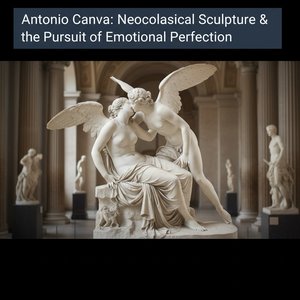
Antonio Canova: Neoclassical Sculpture & the Pursuit of Emotional Perfection
Explore the life & art of Antonio Canova, the greatest Neoclassical sculptor. Discover his masterpieces, innovative techniques, and lasting influence on fine art collecting. Expert insights for discerning investors.

The Enduring Form: Exploring Themes & Techniques in Sculpture Across Historical Periods
Explore the rich history of sculpture from ancient masterpieces to contemporary innovations. Discover key techniques, influential artists & investment potential for discerning art collectors.

10 Легендарних Бронзових Шедеврів, Які Змінили Мистецтво | OriginalUniqueArt
Відкрийте для себе 10 легендарних бронзових шедеврів, що змінили мистецтво! Історія створення, художні техніки та вплив скульпторів Ренесансу й Античності. Купуйте репродукції картин на OriginalUniqueArt.com – музейна якість для вашого дому.

10 легендарних бронзових скульптур, що змінили мистецтво | OriginalUniqueArt
Відкрийте 10 легендарних бронзових скульптур, що змінили хід мистецтва! Дізнайтесь історії Мікеланджело, Родена та інших геніїв. Репродукції картин преміум-класу для вашого дому – на OriginalUniqueArt.com

The Enduring Form: Sculpture Across History, Technique & Emotional Resonance
Explore the rich history of sculpture with OriginalUniqueArt. Discover key techniques, influential artists & investment potential for discerning collectors. Expert insights into valuing and collecting timeless masterpieces.
