Fauvism · 1912
Cliffs (Андре Дерен, 1912)
Андре Дерен (1880–1954) створив Cliffs. Дата створення — 1912. Він належить до напряму Fauvism.
- 1912

 Переглянути в інтер'єрі

 Картина олією ручної роботи
 Надіслати як листівку
 Поділитися
 Посібник


 Завантажити
 Схожі екземпляри
 Рентгенівське дослідження
 Слайд-шоу
 Питання та відповіді

 Статистика
Cliffs: основні характеристики
- Назва
- Cliffs
- Художник
- Андре Дерен (1880–1954)
- Рік народження митця
- Шату, Франція
- Дата
- 1912
- Рух
- Fauvism
Що зображено на Cliffs?
A Vision of Verdant Majesty: André Derain's "Cliffs"
André Derain’s “Cliffs,” painted in 1912 and residing within the esteemed State Hermitage Museum, is more than just a landscape; it's a vibrant testament to the revolutionary spirit of Fauvism. This artwork captures a breathtaking vista of mountains, cliffs, and cascading waterfalls, transporting viewers to a realm where nature’s power and tranquility intertwine. The scene unfolds with a charming village nestled in the valley below, framed by majestic peaks blanketed in lush greenery – an idyllic paradise rendered through Derain's distinctive lens. Two quaint houses near the bottom left corner add a touch of human presence to this otherwise wild expanse. The overall impression is one of dynamic energy and harmonious balance, showcasing nature’s grandeur alongside the quiet resilience of human settlement.Fauvism in Full Bloom: Style & Technique
"Cliffs" exemplifies the core tenets of Fauvism, a groundbreaking art movement that emerged in the early 20th century. Characterized by its bold use of color and expressive brushstrokes, Fauvism sought to liberate painting from representational constraints, prioritizing emotional impact over strict realism. Derain, alongside contemporaries like Henri Matisse, was a pivotal figure in this movement. The technique employed here is immediately striking: colors are applied directly to the canvas with loose, gestural strokes, creating a textured surface that vibrates with energy. Notice how the blues of the sky aren't blended seamlessly but rather layered and juxtaposed, contributing to a sense of atmospheric depth. The simplification of forms – cliffs rendered as sweeping planes of color rather than meticulously detailed rock faces – further emphasizes the painting’s emotional intensity. The lack of precise detail encourages viewers to engage with the artwork on a visceral level, responding to its raw energy and vibrant hues.Historical Context & Artistic Influences
Painted in 1912, "Cliffs" reflects a period of significant artistic experimentation. Following the Impressionists' focus on capturing fleeting moments of light, Fauvism pushed boundaries even further, embracing subjectivity and emotional expression. Derain’s work during this time was also influenced by his exploration of London, where he captured the city with a radical perspective distinct from previous depictions. The movement itself arose as a reaction against the academic traditions that dominated the art world at the time, seeking to forge a new path for artistic innovation and personal expression. Derain’s willingness to break free from conventional representation positioned him at the forefront of this transformative era.Symbolism & Emotional Resonance
Beyond its aesthetic appeal, "Cliffs" carries symbolic weight. The imposing cliffs themselves can be interpreted as symbols of strength, permanence, and the enduring power of nature. The small village nestled below suggests human resilience and adaptability in the face of such grandeur. The cascading waterfall represents a constant cycle of renewal and transformation. Ultimately, Derain’s "Cliffs" evokes a profound sense of tranquility and awe. It invites viewers to contemplate the beauty and majesty of the natural world while simultaneously celebrating the power of artistic expression to convey complex emotions and ideas. The painting's vibrant colors and dynamic composition create an uplifting and inspiring experience, making it a timeless masterpiece that continues to resonate with audiences today.Cliffs у високій роздільній здатності

Суспільне надбання: художник помер у 1954 році.
Більше розмірів, варіантів кадрування та цитат →Андре Дерен, Cliffs (1912). Суспільне надбання
Цифровий експерт перевіряє відповідність кольорів оригіналу та ретушує файл, зберігаючи автентичність мазків художника.
Купити зображення у високій роздільній здатностіПитання про Cliffs
У якому році було створено "Cliffs"?
«Cliffs» роботи Андре Дерен було створено у 1912 році.
Чи можна вільно відтворювати зображення «Cliffs» роботи Андре Дерен?
Щодо авторського права, «Cliffs» є є суспільним надбанням — термін дії авторського права закінчився.
Хто є автором твору "Cliffs"?
Автором твору «Cliffs» є Андре Дерен. Робота внесена до каталогу під іменем Андре Дерен.
До якого художнього напряму належить «Cliffs» роботи Андре Дерен?
«Cliffs» — це твір у стилі Fauvism. Назва течії вказує на художню традицію, до якої належить цей твір.
До якого періоду творчості Андре Дерен належить твір "Cliffs"?
«Cliffs» належить до Early Fauvist Period Андре Дерен.
Скільки років було Андре Дерен, коли було створено «Cliffs»?
Андре Дерен було 32 років, коли він створив «Cliffs» у 1912 році. Вік обчислено на основі року народження митця, 1880.
Чи є твір «Cliffs» авторства Андре Дерен суспільним надбанням, і чому?
«Cliffs» за авторством Андре Дерен перебуває у є суспільним надбанням — термін дії авторського права закінчився. Термін дії авторського права розраховується з року смерті митця; Андре Дерен помер(ла) у 1954.
Про художника Андре Дерен
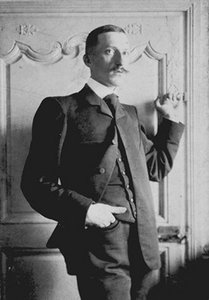
1880–1954, Франція
Андре Дерен
Ранні роки, родина та навчання У 1880 році в Шату, затишному містечку в регіоні Іль-де-Франс, на світ з'явився Андре Дерен. Його дитинство було нерозривно пов'язане з безтурботними пейзажами цієї французької провінції, де природна цікавість до навколишнього світу поступово переростала в глибоке сприйняття природи. Вже до 1895 року він почав самостійно досліджувати мистецтво, намагаючись осягнути візуальну реальність власними очима, не покладаючись на суворі академічні канони. Цей період самостійного пошуку став надзвичайно важливим, адже він дозволив художнику сформувати свій унікальний погляд на світ ще до того, як академічна дисципліна змогла б накласти на нього свої жорсткі рамки.
Також за участю Андре Дерен
 bathers1907
 London Bridge1906
 Charing Cross from sw1906
 Landscape at L'Estaque1906

Есе до твору Cliffs
 André Derain: Fauvism's Bold Visionary & the Evolution of Modern ColorExplore the revolutionary art of André Derain, co-founder of Fauvism. Discover his bold use of color, evolution from radical expressionism …
 The Architecture of Awe: Examining the Sublime Power of Cliffs in Romantic Landscape ArtExplore the profound power of cliffs in Romantic art through expert analysis of the sublime. Discover the masters of landscape today.
 Fauvism vs German Expressionism: Distinguishing Color and EmotionMaster the differences between Fauvism and German Expressionism through expert analysis. Learn to decode the emotion behind the color today.