

 Переглянути в інтер'єрі
 Надіслати
 Поділитися
 Деталі
 Посібник

 Завантажити
 Схожі предмети колекціонування
 Рентгенівське дослідження
 Слайд-шоу
 Статистика переглядів
Білий
 Акрил на полотні
- Настінний декор
- Abstract Expressionism
 Galleria Civica di Arte Moderna e Contemporanea Torino
 Читати далі
Мистецький твір, представлений на цій сторінці, захищений законом про авторське право, що унеможливлює легальне створення або продаж його ідентичної репродукції. Цей захист забезпечується відповідно до міжнародних угод, таких як Бернська конвенція та національним законодавством, зокрема положеннями, що викладені в Законодавство США про авторське право — Розділ 17. Всі права захищені. Будь-яке використання без дозволу заборонено.
Цей метод повністю відповідає нормам авторського права, оскільки він не передбачає копіювання чи дублювання захищеного твору мистецтва. Натомість це творче переосмислення — створення нового малюнка під впливом оригіналу, який не є його точним відтворенням.
Гікле / Художній принт
Музейна якість друку جيкле або на полотні з оперативним виготовленням та різноманітними варіантами фінішної обробки. ( Купити картину ручної роботи Перейти до цифрових зображень)




P118B ₴10

P118H ₴10

P118W ₴10

P438Z ₴10

P508JH ₴12

P508YH ₴12

P805H ₴10

P805Z ₴10

P919BZ ₴10

P919G ₴10

P919XJ ₴10

P959ZH ₴10

P968JZ ₴12

W106C ₴8

W218G ₴10

W218JH ₴8

W218Y ₴10

W307PJ ₴10

W316G ₴10

W316PJ ₴8

W316Y ₴10

W398PJ ₴8

W4111J ₴10

W500HY ₴15

W500JH ₴15

W692G ₴12

W849H ₴8

W940BG ₴15

W953PJ ₴8




Обирайте з наших стандартних розмірів, що відповідають оригінальним пропорціям твору мистецтва.

Введіть необхідну ширину та висоту, щоб принт ідеально підійшов до вашої рами або стіни. Принт можна лише обрізати, але не можна зробити більшим за оригінал, тому при зміні пропорцій частина зображення буде втрачена. Перед друком ми надсилаємо вам цифровий макет для затвердження. Зображення на цій сторінці не відображає реальну обрізку — її можна побачити лише на макеті.
Доставка по всьому світу () за 2 тижні замість стандартних 4/5 тижнів. (25 Жовтень)

Безкоштовна експрес-доставка по всьому світу

Високоякісне лляне полотно

Повне страхове покриття доставки

Гарантія повернення митних зборів

Гарантія точного відтворення кольорів

Політика повернення протягом 100 днів (лише у разі виявлення дефектів)

Гарантія повернення 100% коштів

Знижка на оптові замовлення
 Скляний варіант доступний лише для розмірів до 110 см

Білий
Гікле / Художній принт
Розмір репродукції
-


Загальна вартість
₴ 3591
Білий Альберто Бурі
Альберто Бурі – видатний італійський художник епохи післявоєнної античної школи, чиє творче життя було тісно пов'язане з обставинами та особистими переживаннями. Його шлях почався у місті Città di Castello в Umbrii у 1915 році з медичних досліджень у Першому Університеті Периґорьї, що закінчилися у 1940 році. Однак його мистецьке становлення дійсно розпочалося під час Другої світової війни, коли він служив військовим лікарем і був у полоні в Техасі – період обмежень, який став каталізатором для творчого пробудження. Трагічна смерть брата у війні залишила глибокий слід у його майбутніх творах, пронизуючи їх сумним роздумом. Саме у тісному полоні Бурі почав серйозно малювати самостійно, без попередньої підготовки та керуючись внутрішнім імпульсом. Цей великий холст продовжує мати чітке зв'язок із живописом, навіть якщо в ті роки Бурі вже створив серію Muffe (мффе), Катрамі (катрами) і Саккі (саккі) з експериментами над новими матеріалами у кінці 1940-х років. Причина цього творчого вибору, до певної міри регресу до традиційних методів та контрасту з більш експериментальними дослідженнями матеріалів полягає в унікальній природі роботи, замовленої римським колекціонером Джорджіо Франчетті. Створена олією, емаллю та коллажем, “Білий” є особистою інтерпретацією Бурі техніки коллажу, що відрізняється від ранніх експериментів у сфері живопису першої половини XX століття. Більша увага до матеріальних рішень свідчить про знання римського середовища навколо Художнього клубу. Дослідження матеріалів Енріко Прамполіні – одного з засновників та президента цього об'єднання – безумовно вплинули на цей вибір, як і перші спроби його друга Пієро Доразіо, який у ті роки змішував пісок із олійною фарбою, отримуючи більш грубий та міцний матеріал. У порівнянні з цими попередниками колір тут втрачає свою живописну функцію, граючи рівноправну роль з іншими матеріалами, в яких він об'єднується та поглинається композицією, включаючи органічні речовини, зокрема нитки подрібкованого тютюну. Фотографічна інформація: Загальне враження Холодна палітра робить акцент на сірих і бежевих тонах. Це багатошарова робота з фрагментами ліній та форм, що створює відчуття глибини та складності. Поверхня має текстуру, яка свідчить про застосування кількох шарів або використання техніки коллажу. Відсутність чітких фокусних точок привертає увагу глядача до різних областей перекриваючихся форм. Композиція здається хаотичною та контрольованою, але водночас зберігає баланс між порядком і безладдям. Лінії є вільними та експресивними, що додає динаміку зображенню. Форми варіюються від геометричних блоків до органічних форм, що здаються розсипанням у повітрі. Текстура груба та нерівномірна, що підкреслює вічний або потертий ефект. Освітлення є розсіяним, створюючи м'які тіні та виділяючи текстурні особливості. Перспектива рівна, відсутня традиціний відчуття глибини. Субстанція твору повністю абстрактна; немає жодних узнаваних об’єктів чи фігур. Символічні елементи відкриті для інтерпретації та можуть бути пов'язані з пам'яттю, розкладом або часом. Стиль тяжіє до експресіонізму з відтінками коллажу. Техніка передбачає перекриття олійних фарб і можливо додавання інших матеріалів, таких як папір чи тканина. Матеріали переважно акрилові або оливкові фарби на текстурованій полотні або дошці.Запитання та відповіді
До якого тону схиляється "Білий"?
Переважаючий відтінок твору «Білий» Alberto Burri — Спектр від зеленого до фіолетового. Цей відтінок є основою всієї палітри.
Що зображено на творі «Білий» Alberto Burri?
Сюжетами твору "Білий" є abstraction, texture, collage, material, roman influence, organic matter, fragmented forms.
Які почуття викликають кольори «Білий» Alberto Burri?
«Білий» Alberto Burri поєднує в собі Нейтральні кольори палітру та Задумливий тональність.
Біографія митця
A Life Forged in Matter: The World of Alberto Burri
Alberto Burri, born in the Umbrian town of Città di Castello in 1915, stands as a monumental figure in post-war Italian art. His journey was one dramatically shaped by circumstance – from early inclinations towards artistic expression nurtured amidst Renaissance landscapes to the profound impact of wartime experiences that ultimately redefined his creative path. Initially pursuing medicine at the University of Perugia, graduating in 1940, Burri’s life took an unforeseen turn with the outbreak of World War II. Serving as a combat medic, he endured capture as a prisoner of war in Texas, a period of confinement that paradoxically provided the space and impetus for his artistic awakening. The tragic loss of his brother during the conflict cast a long shadow, infusing his future work with an undercurrent of somber reflection. It was within the stark confines of the prison camp that Burri began to paint seriously, self-taught and driven by an urgent need for expression, laying the foundation for a career that would challenge conventional notions of painting and sculpture.From Figurative Beginnings to Material Innovation
Burri’s early artistic explorations, following his return to Italy, were rooted in figuration, but this phase proved fleeting. He quickly gravitated towards abstraction, driven by a desire to explore the inherent qualities of materials themselves. This marked the beginning of his signature style – a radical departure from traditional techniques and a pioneering embrace of unconventional substances. Between 1948 and 1950, he embarked on a period of intense experimentation, incorporating tar, sand, zinc, pumice, and aluminum dust into his compositions. The *Catrami* (Tars) series emerged during this time, utilizing tar not merely as a collage element but as an integral color within the painting itself, creating monochrome black surfaces imbued with rich textures and subtle variations. This was followed by the *Muffe* (Molds) series, where Burri allowed spontaneous material reactions to dictate the outcome, fostering a sense of organic growth and transformation on the canvas. He then moved onto *Gobbi* (Hunchbacks), pushing the boundaries between two-dimensionality and three-dimensionality by embedding tree branches behind the canvas, creating subtly distorted surfaces. Perhaps his most visceral series, *Combustioni* (Combustions), saw Burri wielding a torch to burn wood veneers, deliberately charring and fracturing the material to create powerfully evocative textures and patterns – a testament to destruction and rebirth.Influences and Artistic Dialogue
Burri’s artistic vision was not formed in isolation. He engaged in a vibrant dialogue with contemporary movements and artists who shared his interest in materiality and unconventional techniques. The influence of Jean Dubuffet's *Art Brut* is evident in Burri’s embrace of raw, unrefined materials and textures, rejecting the polished aesthetic of traditional art. Connections to Lucio Fontana’s spatialism are also apparent, particularly in Burri’s exploration of surface and depth, and his willingness to disrupt the conventional picture plane. Furthermore, Burri fostered a creative exchange with American artists like Robert Rauschenberg and Cy Twombly, contributing to the revival of post-war assembly art and influencing their own explorations of materiality and process. These interactions were crucial in establishing Burri’s international reputation and solidifying his position as a leading figure in the avant-garde. He wasn't simply reacting *against* tradition; he was forging a new path, one that acknowledged the inherent beauty and expressive potential of the materials themselves.Legacy and Lasting Significance
Alberto Burri’s significance lies not only in his innovative use of materials but also in his rejection of traditional artistic conventions. He is widely considered a key figure in *Arte Povera*, an Italian art movement that emphasized simplicity, the use of everyday materials, and a critique of consumer culture. His work profoundly influenced subsequent generations of artists who explored materiality, process, and the relationship between art and life. Beyond his individual series, Burri’s monumental project, the *Grande Cretto* in Gibellina, Sicily – a vast landscape artwork built on the ruins of a town destroyed by an earthquake – stands as a powerful testament to his ambition and vision. This sprawling intervention transforms devastation into a poignant memorial, embodying Burri's belief in art’s capacity for both destruction and regeneration. Grande Cretto is not merely a sculpture; it is a landscape sculpted *by* trauma and transformed *through* artistic intervention. Alberto Burri passed away in 1995, leaving behind a legacy that continues to inspire and challenge artists and viewers alike – a testament to the enduring power of art forged from matter itself.
Alberto Burri
1915 - 1995 , Italy
Довідкова інформація
- Full Name: Alberto Burri
- Nationality: Italian
- Date Of Birth: 1915
- Date Of Death: 1995
- Place Of Birth: Castello, Italy
- Notable Artworks:
- White
- Composition
- Untitled (872)
- Grande cretto
- Artistic Movement Or Style: Arte Povera, Matterism
- Artists Who Influenced This Artist:
- Jean Dubuffet
- Lucio Fontana
- Artists Or Movements Influenced By This Artist:
- Robert Rauschenberg
- Cy Twombly
- Arte Povera
Схожі статті

Топ-10 шедеврів абстрактного експресіонізму: мистецтво, яке змінила епоху | OriginalUniqueArt.com
Відкрийте для себе 10 шедеврів абстрактного експресіонізму! Дізнайтесь історію Поллока, Ротко та інших геніїв. Репродукції картин преміум-якості для вашого дому від OriginalUniqueArt.com. Дослідіть колекцію онлайн!
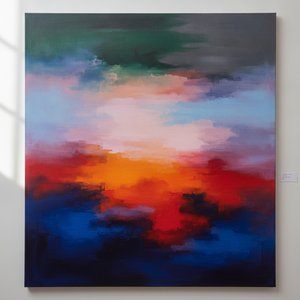
Color Field Painting: The Emotional Power of Pure Abstraction and Chromatic Depth
Explore the profound emotional depth of Color Field painting. Discover the history of mid-century abstraction, from Rothko to Newman, and learn how pure color transforms the viewer's experience through our expert art history guide.
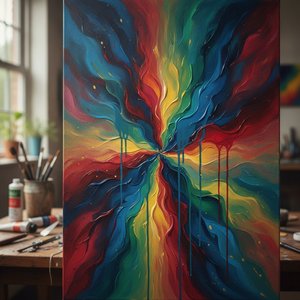
Lyrical Abstraction: The Emotional Power of Color and Form in Modern Art History
Explore the profound emotional depth of Lyrical Abstraction. Discover how masters like Raymond Parker used color and form to bridge Impressionism and Abstract Expressionism. Learn about this pivotal movement through our expert-led art history guide.

Топ-10 шедеврів геометричної абстракції: мистецтво для вашого інтер'єру від OriginalUniqueArt.com
Відкрийте для себе 10 шедеврів геометричної абстракції від Кандинського, Малевича та Мондріана! Історія мистецтва, кольори та форми. Репродукції картин преміум-класу на OriginalUniqueArt.com – ідеальний декор для вашого дому.
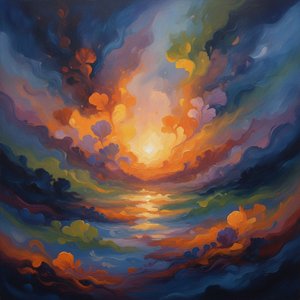
The Soul of Color: A Journey into the Emotional Resonance of Lyrical Abstraction
Embark on a cultural journey through Lyrical Abstraction. Explore how masters like Kandinsky used color and motion to translate emotion into visual poetry. Discover the profound beauty of abstract expressionism and learn to curate emotional resonance in your own art collection.
