Портрет Еміль Фріан

60 найвідоміших картин Еміль Фріан, кожна з яких є унікальною

Оновлено Листопад 2026 · за рейтингом нашої популярності (кількість пошукових запитів, переглядів та замовлень для кожної роботи) · 60 робіт Еміль Фріан у нашому каталозі

Коротко кажучи

The Rowers of the Meurthe (1888) — це картина Еміль Фріан, яка привертає найбільше уваги; оригінал зберігається в musée de l'École de Nancy, Nancy. Після цього погляд переходить на Woman with a lion (1919) та Портрет матері, що очищає репу перед вікном (1887). Серед 60 робіт Еміль Фріан у нашому каталозі ці 60 є найвідомішими: кожна з них — унікальний оригінал із зазначенням року створення, музею та причини її безсмертя.

1863 – 1932, Дьєз Realism Найбільше робіт: Музей витончених мистецтв Нансі

Топ-10 картин Еміль Фріан крізь призму галереї

1
The Rowers of the Meurthe (1888) авторства Еміль Фріан

The Rowers of the Meurthe

1888 · Oil On Canvas · musée de l'École de Nancy, Nancy

In this 1888 oil on canvas, we find ourselves invited into a quiet, intimate moment of social connection. The scene depicts a group of people gathered around a dining table, their presence suggesting a shared meal and the easy rhythm of conversation. There is a sense of stillness here, as if we have just stepped into the room to find them mid-sentence. The composition is populated by at least thirteen…

2
Woman with a lion (1919) авторства Еміль Фріан

Woman with a lion

1919 · Oil

In this 1919 portrait, we find ourselves in the presence of a woman and a lion, a pairing that suggests a profound, unspoken connection. She sits with a composed grace, one hand resting thoughtfully against her chin while the other finds a place upon the lion's head. There is a stillness here, a moment of repose that transcends the typical tension one might expect from such an unlikely companionship. The…

3
Портрет матері, що очищає репу перед вікном (1887) авторства Еміль Фріан

Портрет матері, що очищає репу перед вікном

1887 · Олія на панелі · Музей витончених мистецтв Нансі, Нансі

Портрет матері, що очищає репу перед вікном Еміля Фріанта Еміль Фріант, народжений у маленькій комуні Диузе в 1863 році, виступив як ключова фігура, що об'єднує реалізм XIX століття з художніми течіями початку XX ст. Його життєвий шлях тісно переплітається з політичними та соціальними потрясіннями часу. Франко-пруська війна кинула довгий тінь над дитинством; еміграція сім'ї до Нансі після анексії Диузе Пруссією породила в нього відчуття розгубленості, що може бути джерелом відданості…

4
A Student (also known as Self-portrait) (1885) авторства Еміль Фріан

A Student (also known as Self-portrait)

1885 · Олія на полотні · Музей витончених мистецтв Нансі, Нансі

Émile Friant's "A Student," painted in 1885, is more than just a portrait; it’s a poignant glimpse into the quiet contemplation of a young man grappling with his studies and perhaps, with something deeper within himself. This oil painting, currently residing at the Musée des Beaux-Arts in Nancy, France, offers a remarkably intimate portrayal of a figure lost in thought, rendered with Friant's signature blend of realism and subtle emotional…

5
The Expiation (1908) авторства Еміль Фріан

The Expiation

1908 · Oil On Canvas · Art Gallery of Hamilton, Гамільтон

The air in the painting feels heavy, thick with the scent of dust and impending silence. A man in a black robe hangs from the gallows, his body a dark silhouette against the tension of the scene. He is a priest, his clerical garments marking him as a figure of spiritual weight amidst the secular violence. Around him, the crowd gathers like a slow-moving tide. Some faces are pressed close…

6
The Tramp (1890) авторства Еміль Фріан

The Tramp

1890 · Oil · Національний музей Швеції, Стокгольм

In "The Tramp" by Émile Friant, we find ourselves observing a solitary figure seeking refuge within the mouth of a dark cave. The composition is dominated by the heavy, textured mass of the rocky overhang, which creates a palpable sense of enclosure and isolation. This weight of stone presses down from above, framing the subject within a narrow, sheltered space. The color palette is muted and earthy, relying on ochres,…

7
Self portrait (1878) авторства Еміль Фріан

Self portrait

1878 · Олія · la Cour D'or, Metz

In the quiet intimacy of 1878, a young Émile Friant turned his gaze inward, capturing not just a likeness, but a moment of profound self-reflection. His Self Portrait serves as a captivating window into the late 19th century, presenting a man poised between the rigid formalities of his era and the burgeoning psychological depth that would define his later career. Dressed in the dignified attire of the period—a meticulously rendered…

8
Portrait of my mother peeling a turnip, in front of a window (1887) авторства Еміль Фріан

Portrait of my mother peeling a turnip, in front of a window

1887 · Oil On Canvas · Musée des Beaux-Arts de Nancy, Нансі

In the soft, diffused light of a late nineteenth-century afternoon, Émile Friant invites us into a space of profound intimacy and domestic stillness. Portrait of my mother peeling a turnip, in front of a window is not merely a depiction of a mundane chore; it is a masterful study of presence and the beauty found within the ordinary. The scene unfolds before a large, rectangular window that serves as both…

10
The Study (1885) авторства Еміль Фріан

The Study

1885 · Oil On Canvas

The Study by Émile Friant, created about 1885, presents a medium shot of two figures within a well-appointed interior. A man sits in the foreground, his attention directed toward the act of drawing or sketching. Positioned before him is a woman who stands with her back turned toward the viewer, acting as the subject of his work. The arrangement of these figures creates a sense of depth, placing the subjects…

Знамениті картини Еміль Фріан, з 11 по 60

11Presentation of the Odalisques to the Sultan (1881) авторства Еміль ФріанPresentation of the Odalisques to the Sultan1881 · Музей витончених мистецтв Нансі 12Portrait of Georges Jeanniot (1884) авторства Еміль ФріанPortrait of Georges Jeanniot1884 · Musée des Beaux-Arts de Dijon 13Les artistes Mathias Schiff et Camille Martin (1880) авторства Еміль ФріанLes artistes Mathias Schiff et Camille Martin1880 14A Wood-Line (1885) авторства Еміль ФріанA Wood-Line1885 15Memories (1891) авторства Еміль ФріанMemories1891 · Petit Palais 16The Garden Walk (1889) авторства Еміль ФріанThe Garden Walk1889 · Філадельфійський музей мистецтв 17Spinner from El Kantara (1892) авторства Еміль ФріанSpinner from El Kantara1892 18Spring (1888) авторства Еміль ФріанSpring1888 19The Bread (1894) авторства Еміль ФріанThe Bread1894 20Voyage a l'Infini (1899) авторства Еміль ФріанVoyage a l'Infini1899 21Portrait of Aimé Morot (1905) авторства Еміль ФріанPortrait of Aimé Morot1905 22Émile Hinzelin (1908) авторства Еміль ФріанÉmile Hinzelin1908 · Musée d'Art Moderne et Contemporain de Strasbourg 23Devant la psyché (1912) авторства Еміль ФріанDevant la psyché1912 · Музей витончених мистецтв Нансі 24The Familiar Birds (1921) авторства Еміль ФріанThe Familiar Birds1921 25Portrait of Jean Scherbeck (1928) авторства Еміль ФріанPortrait of Jean Scherbeck1928 26Guillaume Dubufe (1905) авторства Еміль ФріанGuillaume Dubufe1905 · Музей д’Орсе 27Self portrait авторства Еміль ФріанSelf portraitМузей витончених мистецтв Нансі 28The Frugal Repast авторства Еміль ФріанThe Frugal Repast 29Tube of Gouache (1877) авторства Еміль ФріанTube of Gouache1877 · Музей витончених мистецтв Нансі 30Self portrait (1877) авторства Еміль ФріанSelf portrait1877 31Self-portrait at twenty years of three quarters (1883) авторства Еміль ФріанSelf-portrait at twenty years of three quarters1883 32Portrait of Madame Petitjean (1883) авторства Еміль ФріанPortrait of Madame Petitjean1883 · Музей витончених мистецтв Нансі 33The Landscape Painter in his Studio (1885) авторства Еміль ФріанThe Landscape Painter in his Studio1885 34The Entrance of the Clowns (1881) авторства Еміль ФріанThe Entrance of the Clowns1881 35Jeanniot peignant la Ligne de feu (1886) авторства Еміль ФріанJeanniot peignant la Ligne de feu1886 36Soir d'automne (also known as Study for Les amoreux) (1888) авторства Еміль ФріанSoir d'automne (also known as Study for Les amoreux)1888 37Portrait of Camille Majorelle (1888) авторства Еміль ФріанPortrait of Camille Majorelle1888 · musée de l'École de Nancy 38Douleur (1898) авторства Еміль ФріанDouleur1898 · Музей витончених мистецтв Нансі 39Self-portrait (1893) авторства Еміль ФріанSelf-portrait1893 40Portrait de M. Paul (1896) авторства Еміль ФріанPortrait de M. Paul1896 · Музей витончених мистецтв Нансі 41A Child's Dissapointment (1897) авторства Еміль ФріанA Child's Dissapointment1897 · The Frick Pittsburgh 42Self-portrait авторства Еміль ФріанSelf-portraitmusée de l'École de Nancy 43Portrait of Young Girl авторства Еміль ФріанPortrait of Young Girl 44Coquelin Senior in the Role of Jean Dacier авторства Еміль ФріанCoquelin Senior in the Role of Jean Dacier 45Young girl авторства Еміль ФріанYoung girl 46Studio Visit авторства Еміль ФріанStudio Visit 47Portrait of M. Sidrot (1881) авторства Еміль ФріанPortrait of M. Sidrot1881 · Музей витончених мистецтв Нансі 48Les Buveurs (1884) авторства Еміль ФріанLes Buveurs1884 · Музей витончених мистецтв Нансі 49Portrait of Sculptor Ernest Bussière (also known as Interior of the Studio) (1884) авторства Еміль ФріанPortrait of Sculptor Ernest Bussière (also known as Interior of the Studio)1884 · Музей витончених мистецтв Нансі 50Maternal Tenderness (1906) авторства Еміль ФріанMaternal Tenderness1906 51Madame Coquelin Mere авторства Еміль ФріанMadame Coquelin Mere 52Political Dicussion (1889) авторства Еміль ФріанPolitical Dicussion1889 53Dress with Knitted Coat авторства Еміль ФріанDress with Knitted CoatKunstgewerbemuseum 54Draft of Dress with Knitted Coat авторства Еміль ФріанDraft of Dress with Knitted CoatKunstgewerbemuseum 55Lovers (1888) авторства Еміль ФріанLovers1888 · Музей витончених мистецтв Нансі 56Young Woman of Nancy in a Winter Landscape (1887) авторства Еміль ФріанYoung Woman of Nancy in a Winter Landscape1887 · Музей витончених мистецтв Нансі 57The Small Boat авторства Еміль ФріанThe Small BoatМузей витончених мистецтв Нансі 58All Saints' Day (1888) авторства Еміль ФріанAll Saints' Day1888 · Музей д’Орсе 59Ombres portées (1891) авторства Еміль ФріанOmbres portées1891 · Музей д’Орсе 60Бійка (1889) авторства Еміль ФріанБійка1889 · Музей Фабра

Знамениті картини Еміль Фріан за періодами творчості

Теми, що привертали увагу Еміль Фріан

Чотири сюжети, які найчастіше зустрічаються в цих оригіналах, кожен із найкращим прикладом.

Музеї, у яких зберігаються оригінали Еміль Фріан

8 музеїв, у яких зберігається найбільша кількість картин із цього списку.

Музей Місто Твори Еміль Фріан Картини зі цього списку
Музей витончених мистецтв Нансі, НансіМузей витончених мистецтв Нансі Нансі 15 Портрет матері, що очищає репу перед вікном, A Student (also known as Self-portrait), Presentation of the Odalisques to the Sultan
musée de l'École de Nancy, Nancymusée de l'École de Nancy Nancy 3 The Rowers of the Meurthe, Portrait of Camille Majorelle, Self-portrait
Музей д’Орсе, ПарижМузей д’Орсе Париж 3 Guillaume Dubufe, All Saints' Day, Ombres portées
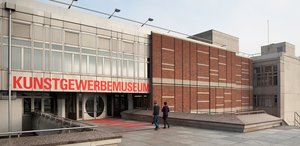
Kunstgewerbemuseum, БерлінKunstgewerbemuseum Берлін 2 Dress with Knitted Coat, Draft of Dress with Knitted Coat
Art Gallery of Hamilton, ГамільтонArt Gallery of Hamilton Гамільтон 1 The Expiation
Національний музей Швеції, СтокгольмНаціональний музей Швеції Стокгольм 1 The Tramp
la Cour D'or, Metzla Cour D'or Metz 1 Self portrait
Musée des Beaux-Arts de Nancy, НансіMusée des Beaux-Arts de Nancy Нансі 1 Portrait of my mother peeling a turnip, in front of a window

Еміль Фріан крізь десятиліття: одна унікальна оригінальна робота для кожного

Роботи за десятиліттями

Оберіть десятиліття, щоб побачити оригінальний твір, який його визначає.

Картини Еміль Фріан: запитання до галереї

Яка найвідоміша робота Еміль Фріан?Дізнатися відповідь

The Rowers of the Meurthe (1888), musée de l'École de Nancy, Nancy. Далі йдуть Woman with a lion (1919) та Портрет матері, що очищає репу перед вікном (1887).

У якому віці Еміль Фріан створив(ла) The Rowers of the Meurthe?Дізнатися відповідь

25 років: The Rowers of the Meurthe датована 1888 роком, а Еміль Фріан народився(-лася) у 1863.

Які десять найвідоміших картин Еміль Фріан?Дізнатися відповідь

The Rowers of the Meurthe, Woman with a lion, Портрет матері, що очищає репу перед вікном, A Student (also known as Self-portrait), The Expiation, The Tramp, Self portrait, Portrait of my mother peeling a turnip, in front of a window, Polynices Cursed by Oedipus та The Study. У рейтингу вище вказано рік створення та музей для кожної картини.

Скільки відомих робіт належить Еміль Фріан?Дізнатися відповідь

Наш каталог містить 60 робіт Еміль Фріан, датованих періодом з 1877 по 1928.

Де можна побачити найвідоміші оригінали Еміль Фріан?Дізнатися відповідь

Переважно в Музей витончених мистецтв Нансі (Нансі), musée de l'École de Nancy (Nancy) та Музей д’Орсе (Париж). У таблиці музеїв вище наведено їхній повний перелік.

У який період Еміль Фріан створив свої найвідоміші картини?Дізнатися відповідь

У 1880s: 27 із 60 робіт на цій сторінці були створені тоді, серед них The Rowers of the Meurthe.

Яка з найвідоміших картин Еміль Фріан була написана найраніше, а яка — найпізніше?Дізнатися відповідь

На цій сторінці найдавніша робота датована Tube of Gouache (1877), а найновіша — Portrait of Jean Scherbeck (1928).

Яким сюжетам віддавав перевагу Еміль Фріан?Дізнатися відповідь

Man (11), Woman (8) та Portrait (8), у 60 роботах на цій сторінці.

Якими матеріалами найчастіше користувався Еміль Фріан?Дізнатися відповідь

Oil On Canvas, для 16 із 60 робіт на цій сторінці.

До якого напряму належить творчість Еміль Фріан?Дізнатися відповідь

Realism та Contemporary realism, судячи з оригіналів на цій сторінці.

Які оригінальні роботи Еміль Фріан можна побачити в Музей витончених мистецтв Нансі?Дізнатися відповідь

Портрет матері, що очищає репу перед вікном, A Student (also known as Self-portrait) та Presentation of the Odalisques to the Sultan: Музей витончених мистецтв Нансі, Нансі зберігає 15 робіт із цієї сторінки.

Еміль Фріан: портрет художника

Émile Friant - A Life Rooted in Realism: The World of Émile Friant

Émile Friant, born April 16th, 1863 in Dieuze, France, emerged as a pivotal figure bridging the gap between 19th-century realism and the burgeoning artistic movements of the early 20th century. His life story is one deeply intertwined with the political and social upheavals of his time—the Franco-Prussian War profoundly shaping his formative years and instilling in him a sense of displacement that arguably fueled his unwavering dedication to portraying the essence of French life and identity within his art. Though initially drawn towards scientific pursuits, Friant’s innate artistic talent swiftly asserted itself, nurtured first by private tutors and subsequently under the guidance of Louis-Théodore Devilly in Nancy—a partnership that would prove instrumental in shaping his distinctive style: a realism imbued with palpable emotional depth and astute psychological insight. Even a youthful self-portrait, “Le Petit Friant,” at just fifteen years old, garnered considerable acclaim and secured him permission to pursue formal studies in Paris—marking the commencement of his ascent within the art world.

Early Years and Artistic Formation

Friant’s childhood was marked by significant upheaval as his family fled Dieuze following the annexation of Alsace and Lorraine by Prussia—a relocation that instilled in him a formative awareness of national identity and political instability. Recognizing his burgeoning artistic aptitude, Devilly championed Friant's ambition to dedicate himself entirely to painting—encouraging him to prioritize observation and meticulous detail—techniques that would become hallmarks of Friant’s oeuvre. Studying under Alexandre Cabanel at the École des Beaux-Arts in Paris exposed him to established academic conventions but simultaneously challenged him to transcend their limitations, fostering a desire for artistic expression rooted in personal experience rather than solely adhering to prescribed formulas. His formative friendships with fellow artists—Aimé Morot, Victor Prouvé, and Jules Bastien-Lepage—established during this period solidified his connection to the avant-garde currents circulating within Parisian intellectual circles. Notably, Morot’s counsel emphasized the importance of capturing the human condition with unflinching honesty—a guiding principle that would permeate Friant’s artistic endeavors throughout his career.

Salon Successes and Recognition

Friant swiftly gained recognition for his talent at the Nancy School of Drawing—winning a scholarship from the city itself to facilitate his enrollment in Cabanel’s atelier—demonstrating an early aptitude for mastering both technical proficiency and stylistic innovation. His debut exhibition at the Salon des Amis des Arts in Nancy at the age of fifteen captivated audiences and garnered considerable praise—establishing him as one of the most promising young artists emerging from Lorraine. Subsequent Salon presentations cemented his reputation, culminating in a second-place finish in the prestigious Prix de Rome competition—a pivotal moment that propelled him toward artistic excellence. Crucially, Friant cultivated enduring relationships with actors Ernest and Benoit Coquelin—resulting in a series of celebrated portrait commissions that would become emblematic of his artistic style. These portraits captured not merely physical likeness but also the inner character and psychological state of his subjects—reflecting Devilly’s emphasis on portraying human emotion with sensitivity and nuance.

North African Inspirations and Artistic Evolution

Inspired by the vibrant landscapes and cultural diversity of North Africa—particularly Algeria and Tunisia—Friant embarked upon multiple expeditions during which he meticulously documented his observations—translating them into evocative paintings that infused his work with exoticism and capturing the essence of human experience amidst unfamiliar surroundings. These journeys profoundly influenced Friant’s artistic sensibility—introducing him to new compositional techniques and fostering a fascination for portraying the subtleties of human emotion within dramatic contexts. His stylistic evolution mirrored broader trends within French painting during the Belle Époque—characterized by a move away from academic conventions toward greater expressive freedom—reflecting Devilly's influence and aligning with the prevailing ethos of artistic experimentation.

Legacy and Artistic Significance

Émile Friant’s artistic legacy rests firmly on his unwavering commitment to realism—a style he embraced while simultaneously transcending its constraints—resulting in a distinctive voice that resonated throughout the late nineteenth century and into the early twentieth. He represents a crucial link between 19th-century naturalism and the artistic innovations of the era—contributing significantly to the development of French painting and solidifying his position as one of the last great naturalist painters. His meticulous attention to detail—combined with his profound understanding of human psychology—produced works that continue to captivate audiences today—serving as a testament to Friant’s enduring artistic vision and unwavering dedication to portraying the complexities of human experience with both precision and compassion.