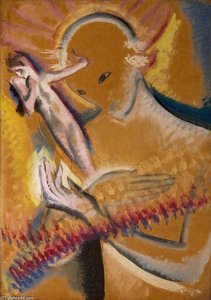
Портрет Чарльз Генрі Саймс

67 найвідоміших картин Чарльз Генрі Саймс: добірка галереї

Оновлено Жовтень 2026 · за рейтингом нашої популярності (кількість пошукових запитів, переглядів та замовлень для кожної роботи) · 67 робіт Чарльз Генрі Саймс у нашому каталозі

Коротко кажучи

З усіх оригінальних робіт, які залишив Чарльз Генрі Саймс, найвідомішою є The little faun (1905) з колекції Fitzwilliam Museum. Слідом за ними йдуть Bacchanalia (1900) та Sacrifice (1918). Наш каталог містить 67 робіт Чарльз Генрі Саймс; галерея зберегла 67 найвідоміших у світі творів, кожен із яких представлений із датою створення, назвою музею та своєю історією.

1873 – 1928, Істлiнгтон Impressionism Найбільше робіт: Fitzwilliam Museum

10 найкращих картин Чарльз Генрі Саймс: вибір галереї

Вибірка Чарльз Генрі Саймс триває, від 11 до 67

Теми, що привертали увагу Чарльз Генрі Саймс

Чотири сюжети, які найчастіше зустрічаються в цих оригіналах, кожен із найкращим прикладом.

Музеї, у яких зберігаються оригінали Чарльз Генрі Саймс

5 музеїв, у яких зберігається найбільша кількість картин із цього списку.

Музей Місто Твори Чарльз Генрі Саймс Картини зі цього списку
Fitzwilliam MuseumFitzwilliam Museum 2 The little faun, Study Of A Dead Rail
Державний музей-заповідник «Ермітаж», Санкт-ПетербургДержавний музей-заповідник «Ермітаж» Санкт-Петербург 1 Bacchanalia
Canadian War Museum, OttawaCanadian War Museum Ottawa 1 Sacrifice
Chartwell, WesterhamChartwell Westerham 1 Two Girls Seated - Diana, And Sarah Churchill
Шотландська національна галерея портретів, ЕдінбургШотландська національна галерея портретів Едінбург 1 George V

Чарльз Генрі Саймс рік за роком: оригінали, що визначають кожен період

Від 1900 до 1918, Чарльз Генрі Саймс працював протягом 19 років: ця добірка відображає цей тривалий творчий шлях рік за роком через його найкращі оригінальні роботи.

Роботи за роками

Оберіть рік, щоб переглянути оригінали.

Запитання колекціонерів про картини Чарльз Генрі Саймс

Яка робота Чарльз Генрі Саймс є найвідомішою?Дізнатися відповідь

The little faun (1905), Fitzwilliam Museum. Далі йдуть Bacchanalia (1900) та Sacrifice (1918).

Скільки років було Чарльз Генрі Саймс, коли було створено The little faun?Дізнатися відповідь

32 років: The little faun датована 1905 роком, а Чарльз Генрі Саймс народився(-лася) у 1873.

Які десять найвідоміших картин Чарльз Генрі Саймс?Дізнатися відповідь

The little faun, Bacchanalia, Sacrifice, Two Girls Seated - Diana, And Sarah Churchill, My Pain Beneath Thy Sheltering Hand, A Spiritual Idea, Guardian Hands, The Fountain, Saints And Sinners та Aspiration. У рейтингу вище вказано рік створення та музей для кожної картини.

Скільки картин залишив Чарльз Генрі Саймс?Дізнатися відповідь

Наш каталог містить 67 робіт Чарльз Генрі Саймс, датованих періодом з 1900 по 1918.

У яких музеях виставляються шедеври Чарльз Генрі Саймс?Дізнатися відповідь

Переважно в Fitzwilliam Museum, Державний музей-заповідник «Ермітаж» (Санкт-Петербург) та Canadian War Museum (Ottawa). У таблиці музеїв вище наведено їхній повний перелік.

Які перша та остання відомі оригінальні роботи Чарльз Генрі Саймс?Дізнатися відповідь

На цій сторінці найдавніша робота датована Bacchanalia (1900), а найновіша — Sacrifice (1918).

Які сюжети Чарльз Генрі Саймс обирав найчастіше?Дізнатися відповідь

Women (7), Children (5) та Landscape (3), у 67 роботах на цій сторінці.

До якого художнього напряму належить Чарльз Генрі Саймс?Дізнатися відповідь

Impressionism та Expressionism, судячи з оригіналів на цій сторінці.

Які роботи Чарльз Генрі Саймс виставлені в Fitzwilliam Museum?Дізнатися відповідь

The little faun та Study Of A Dead Rail: Fitzwilliam Museum зберігає 2 робіт із цієї сторінки.

Чарльз Генрі Саймс: життя та творчість

Charles Henry Sims (1873-1928): A Painter Beyond Convention

Charles Henry Sims, born in Islington, London, in 1873, remains a compelling figure in British art—a painter whose journey traversed the elegance of Edwardian society to the unsettling depths of personal turmoil and ultimately, outsider artistry. His life was marked by both conventional success and profound tragedy, factors that indelibly shaped his artistic vision. Initially destined for a commercial career within his family’s drapery business, Sims defied expectations, pursuing formal training at South Kensington College of Art before honing his skills in Paris at the prestigious Académie Julian. This early exposure to European artistic currents laid the foundation for his initial acclaim as a portraitist and landscape painter, establishing him within the established art world. However, beneath this veneer of conventional achievement lay a sensibility that would increasingly diverge from accepted norms, particularly after experiencing immense personal loss during World War I.

Early Years and Artistic Training

Sims’ formative years were characterized by a quiet determination to forge his own path—a path distinct from the familial business he initially envisioned. Recognizing the importance of artistic education, he enrolled at South Kensington College of Art, immersing himself in the study of classical techniques and mastering the fundamentals of drawing and painting. Simultaneously, he traveled to Paris, where he attended Académie Julian, absorbing the influence of Impressionism and experimenting with innovative approaches to color and light. This Parisian experience proved pivotal in shaping his artistic sensibilities—introducing him to a broader range of aesthetic ideas and fostering a desire for creative exploration beyond the confines of academic tradition. His early landscapes captured the serene beauty of English countryside, reflecting the prevailing mood of optimism and grandeur during Edwardian Britain. Yet, even these seemingly tranquil scenes possessed an underlying tension—a subtle awareness of human vulnerability and the ephemeral nature of existence.

The Rise of Portraiture and Recognition at the Royal Academy

Sims quickly gained recognition as a portraitist, attracting commissions from prominent figures within London society. His ability to convey psychological depth and emotional nuance in his portraits distinguished him from many of his contemporaries—capturing not merely likeness but also character and inner life. He exhibited regularly at the Royal Academy from 1894 onwards, securing acclaim for his meticulous craftsmanship and artistic vision. The Royal Academy’s patronage provided invaluable exposure and established him as a respected artist within the British art establishment. His landscapes continued to evolve—incorporating bolder brushstrokes and richer color palettes—reflecting his growing confidence and experimentation with new stylistic approaches. Paintings like *The Building of Britain* exemplify this progression, demonstrating Sims' mastery of technique and his willingness to push artistic boundaries.

A Devastating Loss and the Transformation of Artistic Style

The First World War irrevocably altered Sims’ life—bringing unimaginable grief when his son perished in action. This profound loss triggered a dramatic shift in his artistic trajectory—driving him toward increasingly introspective themes and rejecting conventional representational accuracy for more symbolic and emotionally resonant imagery. He abandoned the polished surfaces and harmonious palettes of his earlier work, embracing darker hues and unsettling compositions that mirrored the anxieties and uncertainties of the wartime era. The psychological impact of this tragedy fueled a relentless pursuit of artistic innovation—a desire to express profound emotional experiences beyond the limitations of visual representation. This newfound preoccupation with inner turmoil manifested in paintings imbued with haunting symbolism and dreamlike qualities—marking a decisive break from his earlier stylistic conventions.

The Surreal Turn: Exploring Spiritual Ideals

Sims’ artistic exploration intensified during the 1920s, culminating in the creation of his most controversial series: *The Spiritual Ideas*. These paintings represent a radical departure from his previous oeuvre—characterized by fantastical imagery, distorted perspectives, and an obsessive preoccupation with religious symbolism. Unlike Impressionist landscapes or portraits imbued with subtle psychological nuance, *The Spiritual Ideas* confronted viewers with unsettling visions—challenging established artistic norms and provoking intense debate about their meaning and significance. Critics initially dismissed these works as bizarre and incomprehensible—accusing Sims of abandoning realism for mere eccentricity. However, a growing appreciation for his profound emotional depth and artistic innovation has since recognized them as masterpieces of outsider art—demonstrating Sims’ unwavering commitment to exploring spiritual themes with uncompromising honesty and imaginative vision.

Legacy and Recognition: An Artist Ahead of His Time

Charles Henry Sims died tragically in 1928 at St. Boswells, Scotland—leaving behind a legacy that continues to fascinate scholars and artists alike. Despite the initial rejection of his later work during his lifetime, Sims has since been acknowledged as a pivotal figure in British art—a precursor to the Outsider Art movement and an exemplar of artistic courage and originality. Institutions like the Tate Gallery, the British Museum, and English Heritage hold examples of his paintings—ensuring that his distinctive visual language and profound emotional exploration endure for generations to come. His willingness to confront existential anxieties and challenge conventional aesthetic standards remains remarkably relevant today—inspiring artists to pursue creative expression beyond accepted boundaries. Paintings such as *Iris*, *Sunshine And Wind*, and *The Bathers* stand as testament to Sims’ enduring artistic vision—a vision rooted in both meticulous technique and a fearless embrace of psychological complexity. He was an artist who dared to venture beyond the confines of convention, leaving behind a body of work that continues to provoke contemplation and inspire admiration.