A Tapestry of Valor: The Architectural and Historical Splendor of The Royal Yeomanry
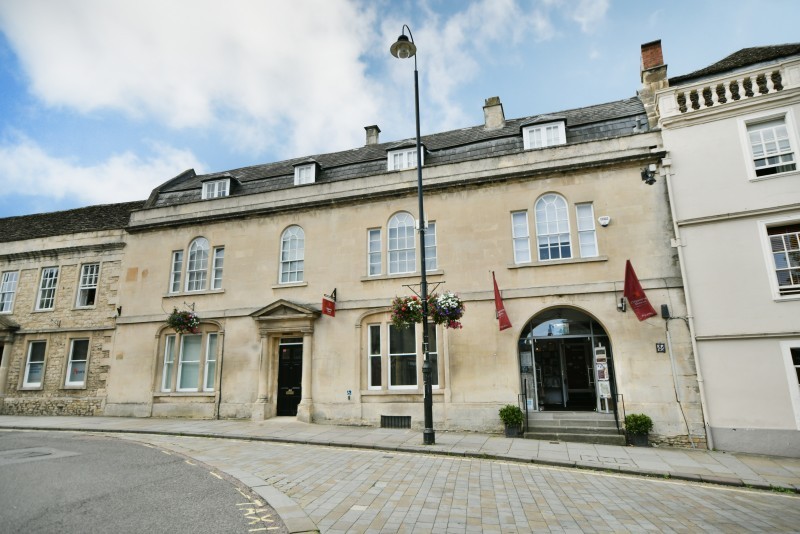
Nestled within the verdant embrace of Swindon’s historic Town Gardens, the museum dedicated to The Royal Yeomanry stands as a profound testament to British military heritage and the delicate art of historical preservation. To approach its gates is to encounter a masterclass in Beaux Arts elegance, where the architectural vision of William Burrell, realized in 1897, meets the rhythmic dignity of Bristol Street’s Victorian terraces. The building itself, with its symmetrical facades and meticulously ornate detailing, serves as more than just a vessel for history; it is a deliberate monument to prestige, reflecting a period when architecture was used to commemorate the very essence of service and duty. For the admirer of fine structure and classical design, the museum offers a breathtaking intersection of urban grandeur and military pride.
Within these walls, the collection unfolds like a beautifully curated epic, blending the grit of military life with the poignant beauty of personal narrative. One finds oneself captivated by the regimental records that trace a lineage beginning in 1794, a time when local militia were summoned to defend the Wiltshire landscape during turbulent eras. The visual splendor of banners bearing battle honours provides a striking contrast to the intimate, heart-wrenching fragments of World War II—photographs and letters that whisper of bravery and resilience. For the collector of history and the lover of fine detail, these artifacts offer an unparalleled glimpse into a saga of strategic importance across Europe, where every thread in a regimental banner tells a story of victory and sacrifice.
The museum’s narrative takes a fascinating, modern turn as it explores the regiment's specialized chapter during the 1990s. The transition into Britain’s specialist Nuclear, Biological, and Chemical Defense Unit introduces a layer of technological and historical complexity, showcasing protective gear and training materials that illustrate the evolving challenges of national security. This unique intersection of traditional cavalry heritage and contemporary defense specialization is what truly distinguishes The Royal Yeomanry. As the sole British Army reserve unit to be awarded a battle honour since the Second World War, the museum offers an experience of singular importance—a place where the echoes of the past meet the enduring spirit of a unit that continues to adapt while remaining anchored in its storied traditions.