A Sanctuary of California Light: Exploring Scripps College’s Artistic Legacy
Nestled within the serene campus of Scripps College in Claremont, California, lie two distinct yet intertwined artistic spaces – the Clark Humanities Museum and the Ruth Chandler Williamson Gallery. More than mere repositories of art, these venues represent a profound commitment to fostering creativity, celebrating female artists, and offering a uniquely intimate connection between scholarship and aesthetic experience. Founded by the visionary Ellen Browning Scripps, a pioneering journalist and philanthropist, the museums embody her enduring belief in the transformative power of education and artistic expression – a legacy that continues to resonate throughout the college community and beyond.
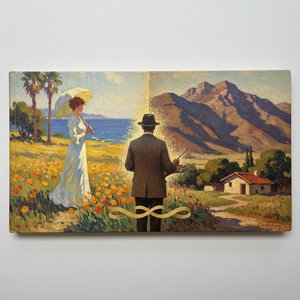
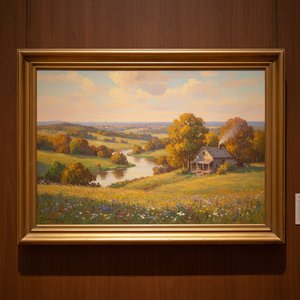
The heart of Scripps’s artistic narrative resides in its significant collection of California art, particularly works reflecting the Impressionist movement. This focus isn't simply about showcasing beautiful paintings; it provides a vital window into the region’s evolving artistic identity during a period of rapid transformation. Theodore Robinson’s evocative landscapes, with their dappled light and atmospheric depth, are particularly celebrated within this collection, offering viewers a tangible sense of the California landscape as perceived through an Impressionistic lens. Beyond individual artists, the museums champion the work of women painters who often found themselves marginalized in the male-dominated art world of the time – a deliberate act of recognition and preservation that speaks volumes about Scripps’s progressive vision.
The Architecture: A Reflection of Harmony
Both the Clark Humanities Museum and the Ruth Chandler Williamson Gallery are architectural jewels, seamlessly integrated into the picturesque Scripps College campus. Designed with an eye toward creating spaces conducive to contemplation and learning, they embody a refined Spanish Colonial Revival style – a deliberate choice that complements the surrounding gardens and natural beauty of Claremont. The buildings themselves aren’t merely functional structures; they contribute significantly to the overall aesthetic experience, fostering a sense of tranquility and inspiring visitors to engage more deeply with the art on display. While detailed architectural specifics are not widely publicized, the harmonious blend of form and function speaks volumes about the thoughtful design process.
Student Voices: A Dynamic Contemporary Perspective
Scripps College’s museums aren't static institutions; they actively embrace a dynamic exchange between established artistic traditions and emerging talent. Student exhibitions are a cornerstone of the museum program, providing a vital platform for showcasing the creative work of current Scripps students. These exhibitions offer a refreshing and often unexpected perspective on art making, challenging conventional notions and introducing visitors to fresh voices and innovative approaches. This commitment to student engagement underscores the college’s dedication to fostering a vibrant artistic community and nurturing the next generation of artists.
Beyond the Canvas: A Commitment to Education & Community
What truly distinguishes Scripps College’s museums is their deep integration with the academic life of the institution. The galleries aren't simply accessible to the public; they are integral components of the curriculum, providing students with invaluable hands-on learning opportunities and fostering critical thinking about art, culture, and history. Furthermore, the museums actively engage with the local community through a diverse range of exhibitions, events, and educational programs – solidifying their role as vital cultural hubs within Claremont and beyond. The museum’s commitment to accessibility and community outreach reflects Scripps's core values and its dedication to making art accessible to all.
A Legacy Continues: Ellen Browning Scripps & the Future
The museums stand as a testament to the enduring vision of Ellen Browning Scripps, whose belief in the power of education and artistic expression continues to shape the cultural landscape of Claremont. Visiting these spaces is not merely an opportunity to admire beautiful artwork; it’s a chance to connect with a remarkable legacy – one that celebrates female artists, champions California art, and fosters a vibrant community of learners and creators. The Clark Humanities Museum and Ruth Chandler Williamson Gallery invite you to step into a world where art, scholarship, and beauty converge.