
İçindekiler
Temel Bilgiler
- Alternate names:
- San Pietro di Castello
- San Pietro
- Basilica di San Pietro di Castello
- Location: Venice, Italy
- Works on APS: 3
- Featured artists:
- Luca Giordano
- giovan maria morlaiter
- Marco Basaiti
Müzedeki Sanatçılar
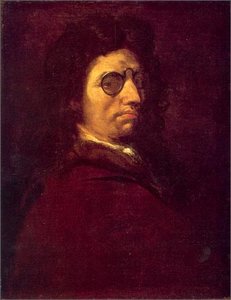
Luca Fa Presto
Luca Giordano (1634-1705): Geç dönem barok tarzında İtalyan ressamı ve gravür sanatçısı olarak Napoli’nin en ünlü eserleriyle tanınır; hızlı çalışması ve etkileyici freskleriyle dikkat çeker.


giovan maria morlaiter
Explore the dynamic Rococo sculptures of Giovanni Maria Morlaiter, a Venetian master (1699-1781). Known for his work at the Gesuati church & Santa Maria del Rosario, discover his artistry.

Marco Basaiti
Marco Basaiti (c. 1470-1530), Quattrocento ve Cinquecento stillerini birleştiren, portreleri ve dini sahneleriyle tanınan Venedikli bir Rönesans ressamıdır. Bellini ve Vivarini'den etkilenen eserleri, gelişen manzaralar sunar.
Sanat Bilgisi Testi
Her soru için yalnızca bir doğru cevap bulunmaktadır.
Soru 1:
What was San Pietro di Castello primarily known for during its history?
Soru 2:
Which architectural style significantly influenced the design of San Pietro di Castello?
Soru 3:
What artistic movement is prominently represented in the frescoes adorning San Pietro di Castello’s walls?
Soru 4:
San Pietro di Castello's location on Sant'Elena Island contributes to its significance by providing:
Soru 5:
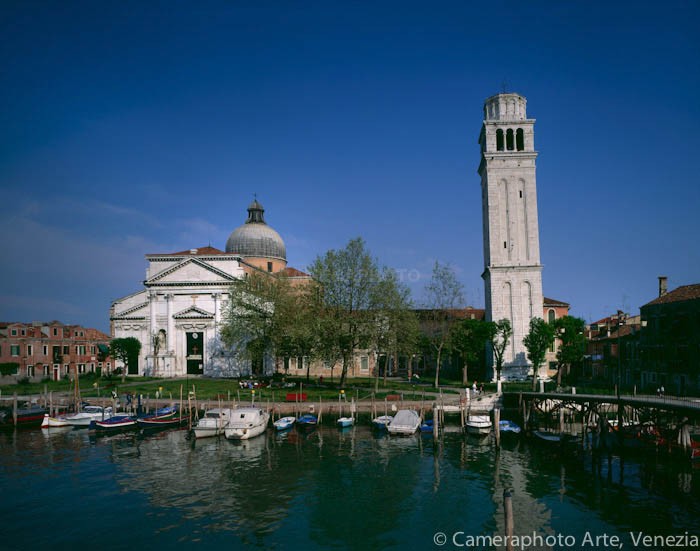
Alfred Pollentine's artwork depicting San Pietro di Castello showcases:
İlgili Makaleler
Giotto di Bondone'nin En İyi 25 Eseri: Rönesansın Doğuşuna Bir Bakış | OriginalUniqueArt
Giotto di Bondone'nin en iyi 25 eserini keşfedin! Rönesans sanatının öncüsü Giotto’nun hayatı, freskleri ve ikonik tablolarıyla dolu bir yolculuk. Ev dekorasyonunuz için yüksek kaliteli sanat baskıları OriginalUniqueArt'ta. Şimdi koleksiyonu keşfedin!
Venedik Bienali'nin En İkonik 25 Eseri: Sanatın Kalbinde Bir Yolculuk
Venedik Bienali'nin en ikonik 25 eserini keşfedin! Ünlü sanatçıların ölümsüz tablolarının hikayelerini, tekniklerini ve ilham kaynaklarını öğrenin. Ev dekorasyonunuz için modern sanat koleksiyonları OriginalUniqueArt.com’da.
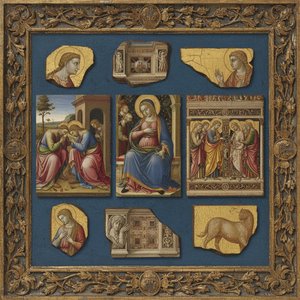
Proto-Renaissance Masters: 10 Artworks That Changed History | OriginalUniqueArt
Journey back to the dawn of Renaissance art! Explore 10 iconic Proto-Renaissance masterpieces by Giotto, Cimabue & Duccio. Discover their stories, techniques & lasting impact. Find museum-quality reproductions for your home at OriginalUniqueArt.com
San Pietro di Castello bünyesindeki Eserler Listesi
Henüz sanat eseri bulunmuyor.