A Journey Through Roman History & Renaissance Art – Palazzo Venezia
Palazzo Venezia stands as an unparalleled testament to Italy’s artistic and political evolution, a place where the grandeur of papal power intertwines with the echoes of Mussolini's ambition. More than simply a museum, it’s a sprawling narrative etched in stone and illuminated by masterpieces spanning centuries—a singular destination for anyone captivated by the spirit of Rome.
Architectural Majesty: A Blend of Medieval Strength & Renaissance Elegance
Originally conceived as Cardinal Pietro Barbo’s fortified residence in the mid-fifteenth century, Palazzo Venezia embodies the transition from medieval fortification to burgeoning Renaissance aesthetics. Its imposing façade stretches 77 meters along Piazza Venezia, reaching a height of approximately 31 meters excluding the towering Biscia Tower—a vantage point offering breathtaking panoramic vistas of Rome. The north wing houses the “Cibo Apartment,” extending for an impressive 122 meters and showcasing intricate architectural details reflecting the stylistic influences of its time. Don’t miss the Biscia Tower, a symbol of Venetian prestige and a crucial element in understanding Palazzo Venezia's strategic importance throughout history.
Renaissance Treasures: Fra Angelico & Giorgione Among the Stars
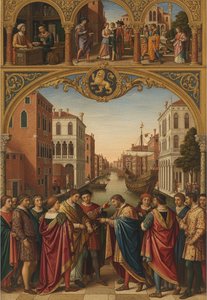
Within Palazzo Venezia’s walls reside treasures that encapsulate the brilliance of the Renaissance artistic movement. Explore captivating canvases by Fra Angelico and Giorgione, artists who skillfully captured ethereal beauty and spiritual contemplation—defining characteristics of the era. These paintings exemplify the humanist ideals prevalent during the period, prioritizing observation and emotion alongside intellectual inquiry. The collection highlights a profound appreciation for classical forms and techniques, mirroring the revival of interest in Greek and Roman art and philosophy.
Papal Legacy: Paul II’s Collection – A Window Into Papal Taste
Witness the opulent legacy bequeathed by Pope Paul II, whose patronage fostered an extraordinary accumulation of artworks and antiquities within Palazzo Venezia. This collection reflects papal tastes—characterized by erudition and a fervent devotion to religious iconography—demonstrating the profound impact of papal leadership on artistic production. Admire sculptures crafted with meticulous detail and adorned with precious materials, reflecting the wealth and prestige associated with the papacy during its zenith.
Beyond Art: Armor & Weapons – Echoes of Warfare Through Time
Delving deeper into Palazzo Venezia’s history reveals a remarkable display of military artifacts—armor and weaponry that chronicle technological advancements throughout the ages. These objects offer invaluable insights into medieval warfare, showcasing craftsmanship and artistry alongside practical considerations for defense. Examining these relics illuminates the role of arms in shaping political landscapes and cultural identities—a dimension often overlooked by conventional art historical narratives.
Bernini’s Baroque Brilliance: Sculpture That Captures Emotion
Marvel at sculptures by Gian Lorenzo Bernini, arguably Rome's most celebrated Baroque artist—a master whose works embody dynamism and theatrical grandeur. His monumental creations within Palazzo Venezia exemplify the Baroque aesthetic’s preoccupation with emotion and dramatic gesture—contrasting sharply with the serene beauty of Renaissance art. These sculptures are imbued with palpable energy, conveying spiritual fervor and capturing fleeting expressions of human experience—testaments to Bernini's unparalleled skill in sculpting stone into living form.
A Singular Atmosphere: Mussolini’s Palazzo – History Revisited
Perhaps most notably, Palazzo Venezia served as Benito Mussolini’s headquarters during his fascist regime—a poignant reminder of Italy’s turbulent 20th-century history. The balcony where Mussolini delivered stirring speeches remains a powerful symbol of political propaganda and serves as an evocative backdrop for contemplating the complexities of Italian identity. Visiting Palazzo Venezia is not merely admiring art; it's embarking on a journey through time, confronting pivotal moments in Roman and European history.