A Glimpse into Florentine Power: Exploring the Palazzo di Parte Guelfa
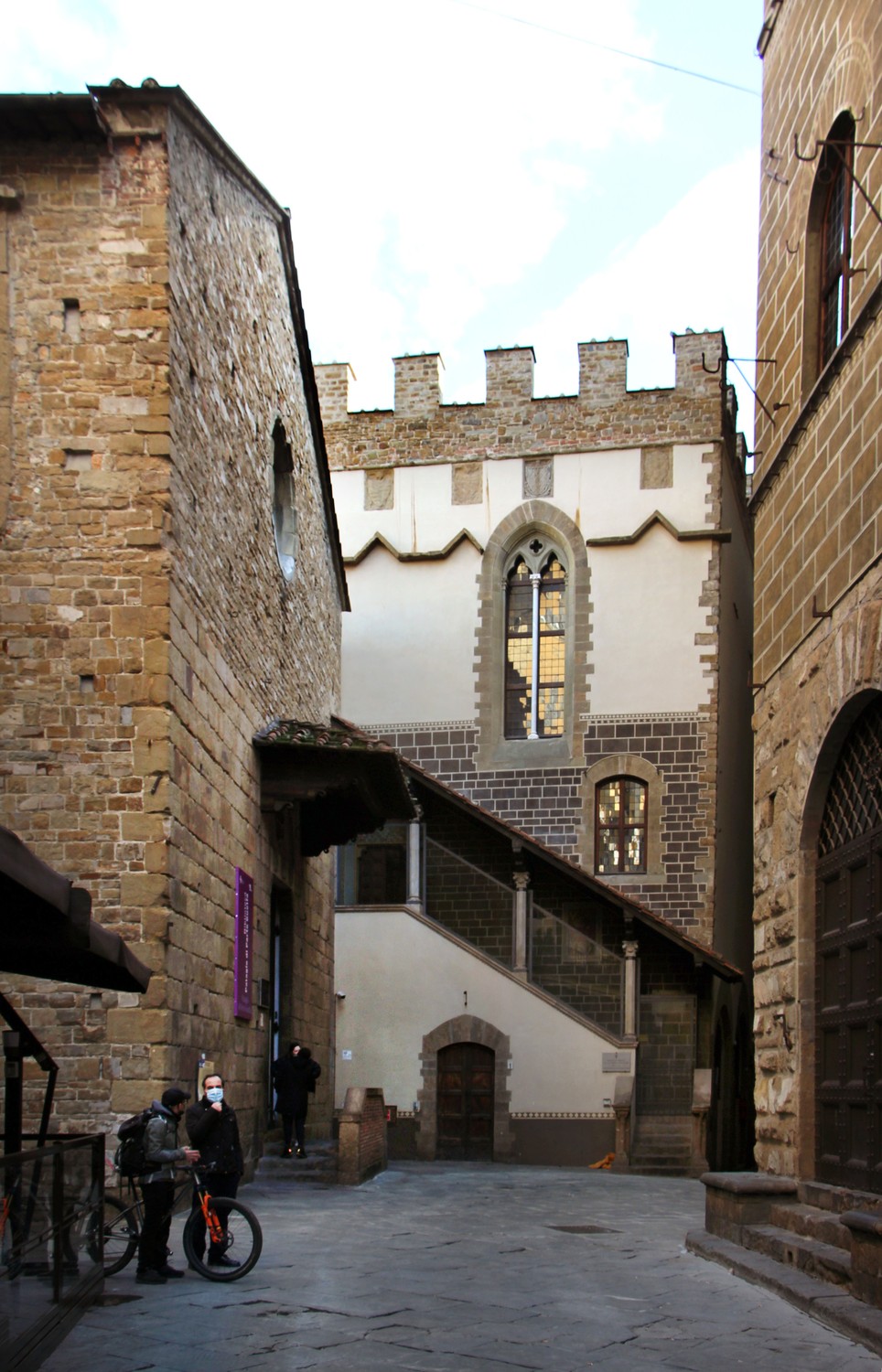
The Palazzo di Parte Guelfa, nestled in the heart of Florence’s Piazza della Signoria, isn't merely a building; it’s a tangible echo of a tumultuous era – the height of Guelphian power and the very genesis of civic governance in the city. This imposing structure, now a museum offering a rare window into Florentine political history, stands as a testament to the ambition and artistry of its creators, a potent symbol of the struggle between factions that shaped the destiny of Florence for centuries. Its weathered stone walls and intricate façade whisper tales of intrigue, betrayal, and ultimately, the birth of a republic.
Architectural Marvel and Political Significance
Construction began in 1307 under the guidance of the renowned architect Andrea Pisano, though it was later refined by his son, Niccolò Pisano. The Palazzo di Parte Guelfa represents a pivotal moment in architectural evolution – a masterful blend of Romanesque and Gothic styles. Notice immediately the robust, almost fortress-like quality of the lower levels, reminiscent of Roman basilicas, reflecting the enduring influence of classical forms. Above this solid base rises a more delicate, soaring façade, punctuated by arched windows and featuring a complex arrangement of decorative elements that speak to the evolving artistic sensibilities of the time. Crucially, its location directly opposite the Palazzo Vecchio – the seat of Florentine power – established a clear visual hierarchy, asserting the authority of the Guelfi, the dominant Guelph faction, over the ruling Medici family. The very placement underscores the political drama unfolding within these walls.
A Treasury of Frescoes and Sculptures
Within the Palazzo’s chambers lie remarkable artistic treasures, primarily a breathtaking cycle of frescoes attributed to Benozzo Gozzoli, commissioned in 1459-61 for the *Sala del Consiglio* (Council Room). This is undoubtedly the museum's centerpiece. The fresco depicts the “Procession of the Magi,” a vibrant and complex narrative illustrating the election of the Gonfaloniere – the chief magistrate of Florence – a scene brimming with symbolic meaning. Observe the meticulous detail in each figure, from the richly adorned robes to the expressive faces; Gozzoli masterfully employed perspective and color to create an illusion of depth and movement, transporting the viewer into this pivotal moment of Florentine politics. Beyond the *Sala del Consiglio*, you’ll find a collection of sculptures, including fragments of original decorative elements that once adorned the building's exterior, offering glimpses into the Palazzo’s earlier appearance.
-
Notable Sculptures: Fragments of relief sculptures depicting allegorical figures and heraldic emblems are scattered throughout the museum, providing clues to the Palazzo’s former grandeur.
-
The Sala di San Martino: This smaller room houses a collection of paintings by Florentine artists from the 15th and 16th centuries, showcasing the evolution of artistic styles within the city.
Historical Context: The Guelfs and the Rise of Florence
To truly appreciate the Palazzo di Parte Guelfa, one must understand its historical context. The Guelphs were a faction within the Florentine aristocracy who supported the papacy, while their opponents, the Ghibellines, championed imperial authority. This rivalry dominated Florentine politics for over a century, shaping the city’s political landscape and ultimately leading to the establishment of Florence as an independent republic in 1494. The Palazzo di Parte Guelfa served as the seat of the *Parte*, the council responsible for administering the city's affairs during this period. It was here that crucial decisions were made, alliances forged, and conflicts resolved – a microcosm of the larger political struggles that defined Florence’s history.
A Living Museum: Exhibitions and Unique Features
The Palazzo di Parte Guelfa continues to evolve as a museum, regularly hosting temporary exhibitions exploring various facets of Florentine art and history. These events often delve into specific themes related to the Palazzo's past, such as the role of patronage in the arts or the impact of political upheaval on artistic production. What truly sets this museum apart is its intimate scale – it’s a place where you can wander through the rooms at your own pace, absorbing the atmosphere and contemplating the stories embedded within its walls. The building itself feels remarkably preserved, offering an authentic experience that larger, more sprawling museums often lack. It's a space designed for quiet reflection, allowing visitors to connect with the past in a profoundly personal way.
For those seeking a deeper understanding of Florentine history and art, a visit to the Palazzo di Parte Guelfa is an essential pilgrimage – a chance to step back in time and witness the birth of a republic.