


A Jewel of Padua: The Oratorio di San Giorgio
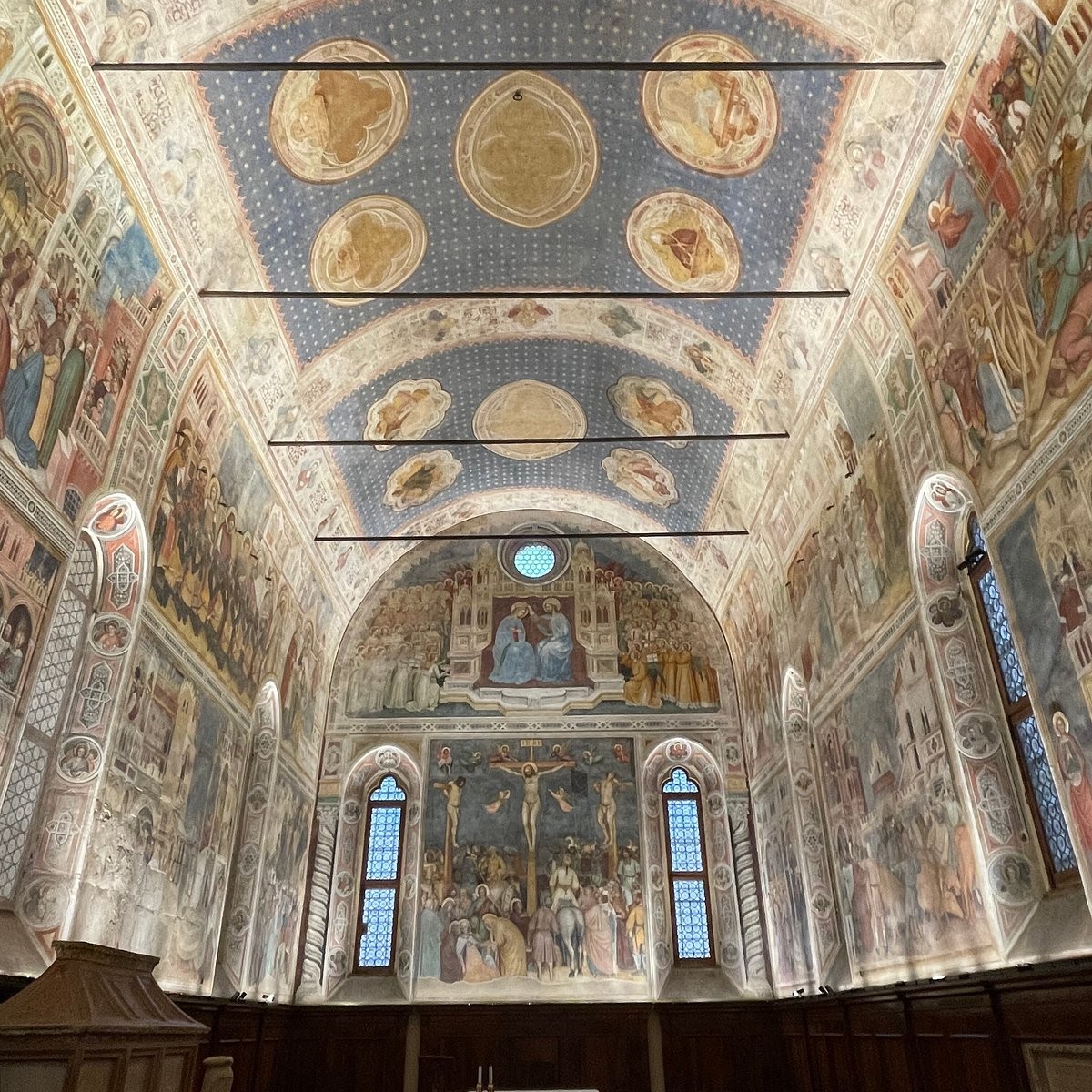
Nestled in the heart of Padua, a city steeped in artistic and intellectual heritage, lies the Oratorio di San Giorgio—a small chapel that holds within its walls a breathtaking testament to 14-century Italian artistry. Often described as “The Scrovegni Chapel at the other end of the century,” this UNESCO World Heritage site offers an intimate encounter with the vibrant frescoes of Altichiero da Zevio and his workshop, transporting visitors back to a pivotal moment in the dawn of the Renaissance. More than just a religious space, the Oratorio is a poignant reflection of its time, serving as a family mausoleum imbued with both spiritual devotion and aristocratic pride.
The genesis of this sacred space dates back to 1376, when Raimondino de’ Lupi, a soldier and diplomat serving the da Carrara lords, entrusted Altichiero with creating a lasting memorial for his lineage. Its location adjacent to the imposing Basilica di Sant'Antonio underscores the interwoven religious and political currents that shaped Padua during this era. While the exterior of the Oratorio exudes an understated elegance—constructed of simple brick with minimal architectural embellishments—this deliberate restraint serves as a dramatic, silent prelude to the interior spectacle. Upon crossing the threshold, visitors are immediately greeted by an astonishing panorama of color and narrative that defies the chapel's modest footprint.
Altichiero’s frescoes dominate every surface within the chapel, depicting profound scenes from the lives of Saint George, Saint Catherine of Alexandria, and Saint Lucy, alongside key episodes from the life of Christ. His artistic brilliance transcends mere technical prowess; it resides in an innovative storytelling approach that guides the viewer’s gaze across the walls with palpable drama. Drawing inspiration from Giotto’s groundbreaking work at the Scrovegni Chapel, Altichiero nevertheless established a distinctive style characterized by heightened realism and an expressive manipulation of light and shadow. The figures themselves are imbued with a deep, human emotion, their gestures conveying the weight of profound experience. Furthermore, the frescoes masterfully incorporate portraits of the Lupi family—depicted in full armor, kneeling reverently before the Virgin Mary—seamlessly blending earthly status into the sacred narrative.
The survival of such brilliance is nothing short of miraculous. The frescoes were initially obscured by whitewash during Napoleon's reign, lost to the eyes of the world for generations until they were painstakingly revived in the late 1990s through meticulous restoration efforts. These endeavors revealed the original vibrancy of Altichiero’s palette and illuminated the intricate details of his compositions once more. Today, the Oratorio stands as a unique destination for art historians and enthusiasts alike, having hosted significant exhibitions that delve into the scholarly research of Altichiero's techniques. It remains a place where the boundaries between the divine and the human blur, inviting all who enter to immerse themselves in the enduring beauty of a masterpiece that continues to inspire awe and contemplation.
