


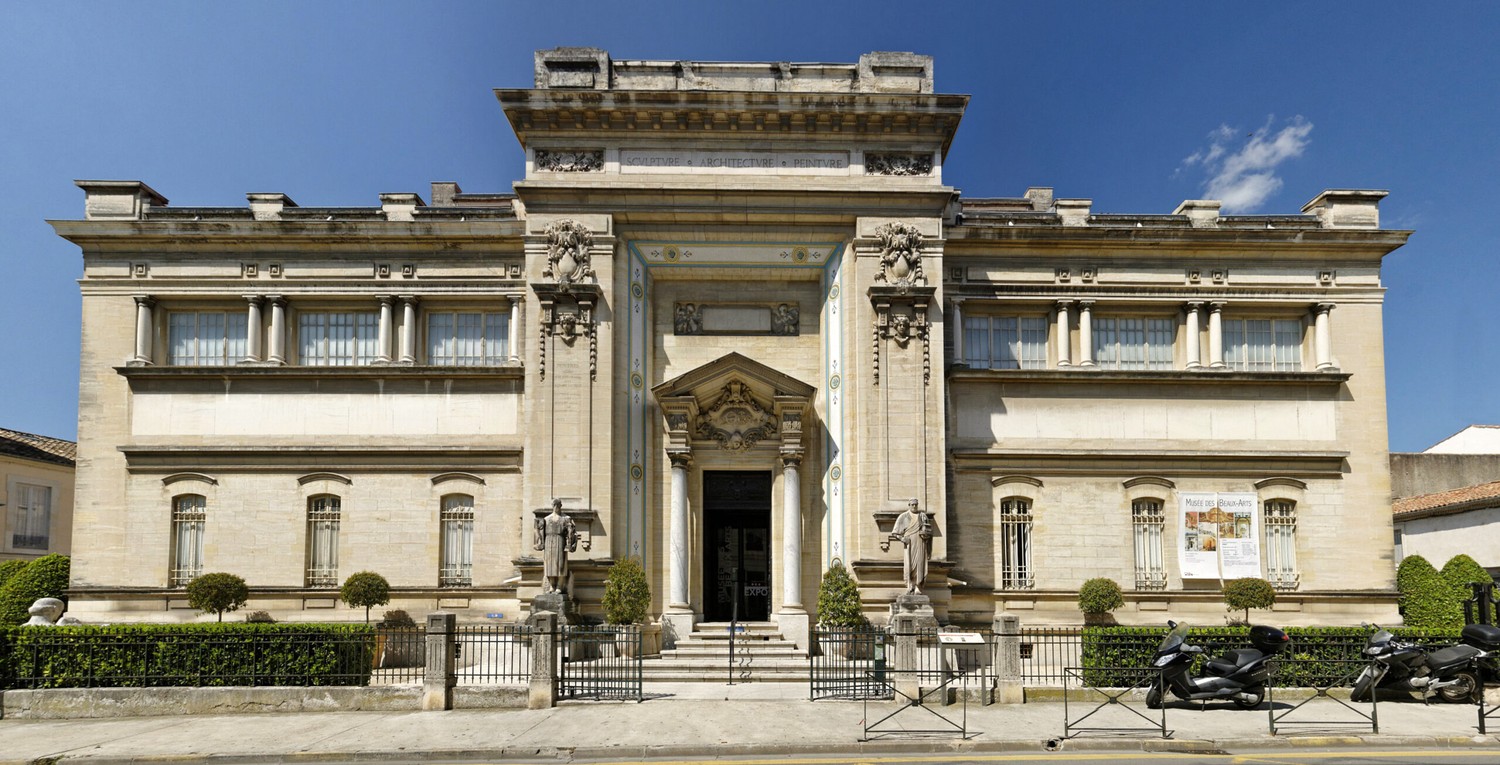
A Renaissance Jewel in Southern France: Exploring the Musée des Beaux-Arts de Nîmes
Nestled within the historic heart of Nîmes, a city steeped in Roman grandeur and vibrant Provençal culture, lies the Musée des Beaux-Arts – a museum that offers far more than just a collection of artworks. It’s a journey through European artistic evolution, a testament to architectural ambition, and a captivating glimpse into the soul of Southern France. Founded in 1821, initially housed within the magnificent Maison Carrée, the museum's story is intrinsically linked to Nîmes itself, evolving alongside the city’s own rich tapestry of history.
The museum’s current home, completed in 1907 and dramatically enhanced by architect Jean-Michel Wilmotte in 1987, stands as a remarkable example of early 20th-century design. The building's façade, echoing the grandeur of the surrounding Roman ruins, immediately establishes a sense of continuity with Nîmes’ ancient past. Wilmotte’s renovation skillfully integrated modern functionality with the museum’s original architectural character, creating a space that is both elegant and inviting – a perfect setting for the treasures within.
A Tapestry of Artistic Styles: The Museum's Core Collections
The Musée des Beaux-Arts de Nîmes boasts an impressive collection spanning several centuries and diverse artistic movements. Its strength lies in its carefully curated selection, offering a focused yet comprehensive overview of European art history. A particular emphasis is placed on the Italian Renaissance, with a remarkable array of paintings from the 15th to 16th centuries. Here, one can admire works by masters like Jacopo Bassano, whose luminous landscapes and masterful use of light are particularly captivating, alongside Lelio Orsi’s dramatic compositions and Andrea della Robbia's exquisite terracotta sculptures – showcasing the enduring legacy of Italian artistic innovation.
The museum’s collection of Flemish Masters is equally compelling. The influence of Peter Paul Rubens resonates throughout, with vibrant colors, dynamic figures, and a profound sense of movement evident in paintings by his contemporaries. Beyond Italy and Flanders, the museum presents a significant selection of French art from the 17th to the 19th centuries. From the refined elegance of Renaud Levieux’s portraits to the dramatic narratives of Jean-François de Troy and the evocative landscapes of Pierre Subleyras, these works offer a window into the artistic traditions of France during this pivotal period. Don't miss Paul Delaroche's *Oliver Cromwell with the corpse of Charles I*, a powerful depiction of historical events.
Beyond the Paintings: Ancient Roman Echoes and Architectural Marvels
The Musée des Beaux-Arts isn’t solely defined by its paintings; it also houses significant artifacts from ancient Rome. The museum's centerpiece is undoubtedly the Admetus mosaic, a breathtakingly detailed depiction of the myth of Admetus – discovered in Nîmes itself and offering a tangible connection to the city’s Roman past. This remarkable mosaic, with its intricate geometric patterns and vibrant colors, stands as a testament to the artistic skill of Roman artisans.
Furthermore, the museum's location within the historic Maison Carrée adds another layer of significance. The original building, a remarkably preserved example of Roman architecture, served as the museum’s initial home, creating a powerful dialogue between ancient and modern art. The architectural design itself – conceived by Max Raphel and completed in 1907 – is a noteworthy achievement, reflecting the artistic sensibilities of its time.
A Living Museum: Exhibitions, Events, and Unique Experiences
What truly distinguishes the Musée des Beaux-Arts de Nîmes is its commitment to engaging with visitors beyond the permanent collection. The museum regularly hosts temporary exhibitions that explore diverse themes and showcase both established and emerging artists. From lectures and workshops to guided tours and family activities, the museum offers a wealth of opportunities for learning and discovery. It’s a place where art comes alive, inviting visitors to delve deeper into the stories behind each masterpiece and connect with the rich cultural heritage of Nîmes.
Whether you are an avid art enthusiast, a history buff, or simply seeking a rewarding cultural experience, the Musée des Beaux-Arts de Nîmes promises a journey through time, artistry, and the enduring spirit of Southern France. A visit here is not merely a viewing of artworks; it’s an immersion into a vibrant artistic legacy.


