A Cultural Jewel on the Banks of the Tisza
In the heart of Szeged, where the gentle currents of the Tisza River meet the city's historic soul, stands the Móra Ferenc Múzeum —a sanctuary of memory and a triumph of neoclassical elegance. Inaugurated in 1896, the museum’s grand architecture serves as more than just a vessel for artifacts; it is a physical embodiment of the region's lofty cultural aspirations. To step through its doors is to enter a world where the boundaries between archaeology, ethnography, and fine art dissolve into a singular, immersive narrative of human endeavor. The building itself, with its stately proportions and refined lines, provides a majestic backdrop for a collection that spans the prehistoric depths of the Earth to the vibrant geometric revolutions of the modern era.
The museum’s identity is inextricably linked to the legacy of its namesake, Ferenc Móra , a literary titan whose life bridged the worlds of scientific rigor and poetic sensitivity. Within the hallowed halls of the Móra Ferenc Memorial Room, visitors encounter the intimate traces of his existence, from personal belongings to cherished photographs, offering a poignant glimpse into the mind of a man who was simultaneously an archaeologist, a researcher, and a master of Hungarian prose. This deep connection to local heritage is mirrored in the museum's ethnographic treasures, where the rhythmic traditions of Szeged—such as the delicate art of bullrush weaving and the skilled craft of slipper-making—are preserved with profound reverence, celebrating the enduring spirit of the people who call this river valley home.
From Golden Treasures to Modern Masterpieces
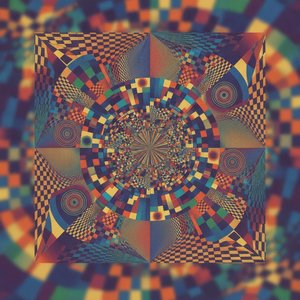
For the discerning collector and lover of fine craftsmanship, the museum offers a breathtaking encounter with the Golden Treasure of Nagyszéksos . This extraordinary collection of Hunnic gold stands as a testament to the opulent artistry and sophisticated metallurgy of nomadic cultures that once swept across Central Europe. Each intricately worked piece radiates a sense of ancient power, inviting viewers to contemplate the complex social hierarchies and aesthetic brilliance of a lost era. Such archaeological wonders are balanced by the museum's commitment to the evolution of visual language, notably through the display of works by Victor Vasarely . The presence of his pioneering geometric abstractions within these historic walls creates a stunning dialogue between the ancient past and the optical frontiers of the twentieth century.
The museum’s ability to captivate global audiences is further evidenced by its history of record-breaking exhibitions, such as the monumental “Pharaohs’ Egypt,” which drew hundreds of thousands of admirers. This capacity for large-scale storytelling is complemented by more intimate explorations, including the works of Mihály Munkácsy , whose realistic, dramatic canvases bring biblical and historical scenes to life with unparalleled emotional depth. Whether wandering through the Fekete-ház to glimpse the refined lifestyle of Szeged’s nineteenth-century upper class or exploring the theatrical history within the Varga Mátyás collection, every corner of the Móra Ferenc Múzeum offers a curated moment of wonder. It remains an essential destination for those seeking to understand the profound tapestry of Hungarian identity through the lens of art and history.