A Tapestry of Time: The Dual Soul of Lewes Castle and Barbican House
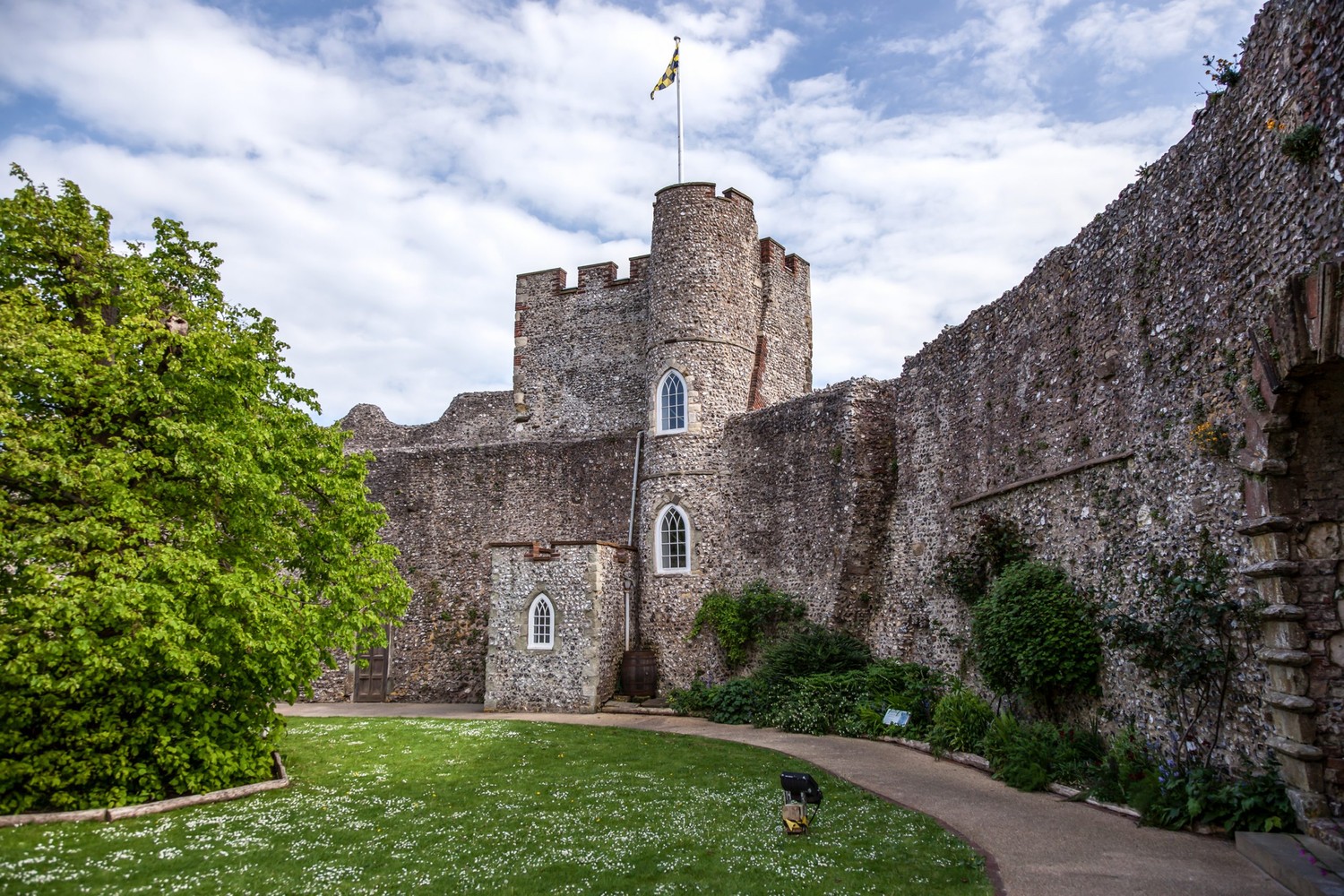
Nestled within the verdant embrace of the South Downs, Lewes Castle and Barbican House Museum stand as a profound architectural dialogue between two vastly different eras of English identity. To approach the castle is to encounter a formidable silhouette that commands the landscape, a stone sentinel guarding the River Ouse since the late 11th century. This is not merely a ruin, but a living testament to Norman ambition and strategic brilliance. The site is uniquely distinguished by its rare double-motte design—a structural rarity in England—where the rugged shell keeps of limestone and flint whisper tales of William the Conqueror’s legacy. Walking through these grounds, one can almost feel the heavy atmosphere of the 1264 Battle of Lewes, imagining the clash of steel and the shifting political tides that once flowed through these very ramparts.
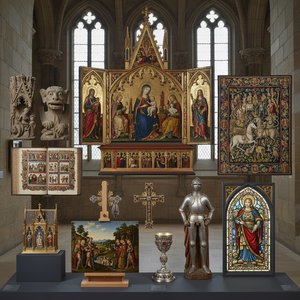
Yet, as one moves from the raw, defensive grandeur of the medieval fortifications toward the adjacent Barbican House, the narrative shifts from the martial to the magnificent. This 16th-century residence offers a breathtaking counterpoint to the castle's austerity, embodying the refined elegance of the Elizabethan and Victorian periods. Stepping inside is akin to entering a meticulously curated time capsule. The interiors are a masterclass in historical atmosphere, where the ruggedness of Norman stone gives way to the delicate textures of Victorian splendor . For the lover of fine detail, the museum presents an exquisite collection of chinoiserie porcelain, richly embroidered textiles, and period furniture that reflect the global fascinations of the 19th century, creating a space where domestic tranquility meets historical weight.
A Curated Legacy of Sussex Heritage
The true magic of the museum lies in its ability to weave disparate threads of Sussex history into a single, cohesive experience. The collection is a treasure trove for the discerning eye, offering a journey through layers of archaeological and social evolution. Visitors may find themselves captivated by:
- Archaeological Fragments: Rare remnants from Battle Abbey and Wilmington Priory that ground the site in deep antiquity.
- The 1880s Model Village of Lewes: A whimsical miniature recreation that captures the Victorian essence of the town with painstaking precision, serving as both an art piece and a historical document.
- Decorative Arts: An array of period furniture and fine ceramics that showcase the interplay of texture, light, and historical ornament.
For collectors and interior designers alike, the museum offers endless inspiration, showcasing how the juxtaposition of a medieval fortress with a scholarly, refined manor can transform a space. It is an essential destination for anyone seeking to understand the enduring beauty of England's layered past, where every stone and silk thread tells a story of survival, conquest, and refinement.