

The Resonance of Bengal: Exploring the Jadavpur University Museum
Nestled within the verdant campus of Jadavpur University in Kolkata, India, lies a treasure trove of artistic and cultural significance – the Jadavpur University Museum. While currently operating without a dedicated website for public access (though its official site is
The collection itself is remarkably diverse, reflecting the multifaceted nature of Bengalic art and culture. At its core resides a significant assemblage of terracotta figurines – *dol mandals* – dating back to the 18th and 19th centuries. These aren’t merely decorative objects; they represent elaborate community festivals centered around Durga Puja, offering a captivating window into the social fabric and religious practices of the region. The intricate detailing on these figures—the vibrant colors, the dynamic poses depicting scenes from Hindu mythology, and the sheer scale of some pieces—are testaments to the skill and dedication of the artisans who created them. Beyond the *dol mandals*, the museum houses a substantial collection of Patachitra paintings – traditional scroll paintings primarily depicting stories from the Ramayana and Mahabharata. These works are characterized by their bold outlines, rich pigments derived from natural sources, and a distinctive narrative style that has been passed down through generations.
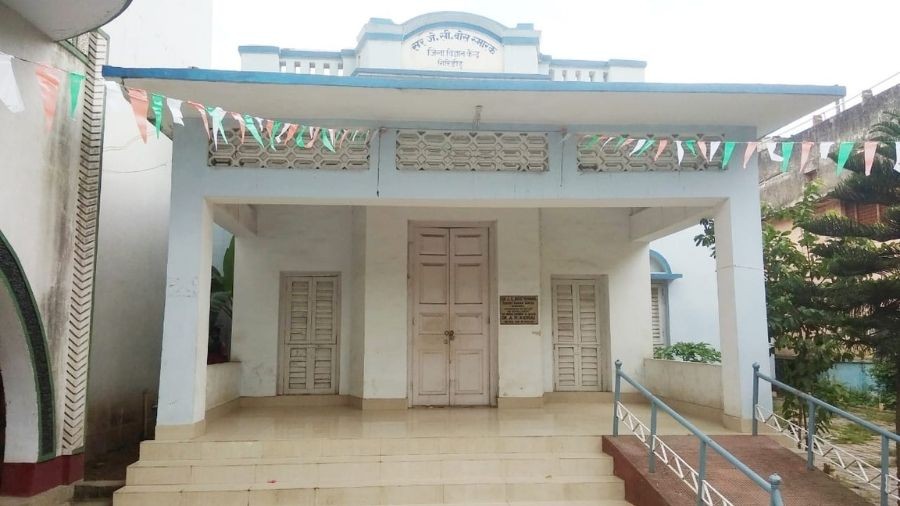
However, the Jadavpur University Museum’s significance extends beyond its artistic holdings. The building itself is an integral part of the experience. Constructed in 1963, it represents a fascinating example of mid-century modernist architecture within the context of colonial India. Designed by architect Binoy Mitra, a prominent figure in post-independence Indian design, the museum’s structure embodies a restrained elegance—a blend of concrete and brickwork punctuated by large windows that flood the interior with natural light. The building's layout encourages a contemplative approach to viewing the collection, fostering a sense of quiet immersion within its historical surroundings. It’s a space deliberately designed to connect visitors with the past.
Throughout its history, the museum has hosted numerous notable exhibitions, often focusing on specific aspects of Bengalic art and culture. These events have served as platforms for showcasing both established masters and emerging talents, contributing significantly to the ongoing dialogue surrounding artistic heritage. While detailed records of past exhibitions are not readily available online, it’s understood that the museum regularly stages displays exploring themes ranging from folk art traditions to contemporary interpretations of classical motifs. The university's close ties with the local arts community ensure a vibrant program of events and educational initiatives.
What truly distinguishes the Jadavpur University Museum is its commitment to preserving and interpreting Bengal’s artistic legacy in an accessible manner. It’s not simply a repository for artifacts; it’s a living testament to the enduring power of art to shape identity, reflect social values, and connect generations. For collectors seeking authentic pieces of Bengali artistry, or for interior designers aiming to infuse their spaces with cultural resonance, the museum offers a unique opportunity to engage with a tradition that continues to thrive in its vibrant complexity. A visit here is an invitation to step back in time and experience the soul of Bengal.