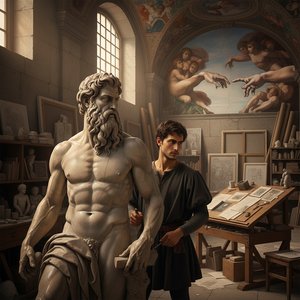
The Heart of Christendom: An Exploration of St. Peter's Basilica
Rising from the very heart of Vatican City, St. Peter’s Basilica isn’t merely a building; it’s an experience woven through millennia of faith, ambition, and breathtaking artistic innovation. More than just a place of worship, it stands as a monumental synthesis – a harmonious blend of Roman grandeur, Renaissance ideals, and Baroque exuberance, all converging to create one of the most profoundly moving spaces on Earth. Walking within its vast interior is akin to stepping directly into the narrative of Western art itself, encountering echoes of emperors, popes, and masters who have shaped not only this sacred space but also the very trajectory of human creativity.
The basilica’s story isn't one of sudden creation, but rather a gradual, layered unfolding, mirroring the tumultuous history of the Papacy and the evolving tastes of generations. It began with a humble chapel erected over what was believed to be the burial site of Saint Peter himself – an assertion rooted in tradition and solidified by centuries of pilgrimage. From this modest beginning, the basilica has grown into a colossal testament to human aspiration, a tangible representation of our enduring yearning for transcendence. The sheer scale of the structure is humbling, yet it’s the intricate details—the mosaics, the sculptures, the soaring dome—that truly capture the imagination and invite contemplation.
Early Foundations (4th Century):
The initial structure, a modest church built by Emperor Constantine, served as a place of veneration for Saint Peter. It was rebuilt several times throughout history, reflecting the changing needs and aspirations of the Papacy.
Renaissance Transformation (15th-16th Centuries):
The basilica underwent a radical transformation during the Renaissance, spearheaded by architects like Bramante, Michelangelo, and Bernini. These masters reimagined the space according to classical principles, prioritizing harmony and proportion as expressions of divine beauty. The ambition was to create a masterpiece that would inspire awe and reverence.
Baroque Flourishes (17th Century):
Gian Lorenzo Bernini’s masterful additions – particularly the façade and the colonnade surrounding St Peter's Square – injected a dramatic dynamism into the basilica’s appearance, creating an unforgettable spectacle of light and shadow. Bernini skillfully employed theatrical techniques to heighten the emotional impact of the space.
Michelangelo’s Masterpieces: A Journey Through Divine Beauty
At the heart of St Peter’s Basilica lies a collection of artistic treasures that are nothing short of extraordinary. Michelangelo's contributions stand as particularly poignant examples of human genius, capturing both physical and spiritual realities with unparalleled skill. The *Pietà*, a sculpture depicting Mary cradling the lifeless body of Christ, is arguably the most iconic work within the basilica’s walls. Its exquisite detail, its palpable sense of grief, and its profound emotional resonance have captivated viewers for centuries.
Beyond the *Pietà*, Michelangelo’s Crucifixion fresco in the Sistine Chapel (though technically located within the Vatican Museums, its proximity and influence are undeniable) is another essential element of the basilica's artistic legacy. This monumental work showcases his mastery of light, shadow, and human anatomy, conveying both the physical agony of Christ’s sacrifice and the spiritual significance of his redemption.
Notable Highlights Include:
- Michelangelo's *Pietà* – A poignant depiction of Mary cradling Christ’s lifeless body.
- Michelangelo’s Crucifixion Fresco – A dramatic masterpiece showcasing his command of light and shadow.
- Bernini’s Statue of St Peter – A monumental representation of papal authority, radiating power and dignity.
Architectural Evolution: Layers of History and Style
St. Peter's Basilica is not a static monument; it’s a living testament to architectural evolution—a layered narrative etched in stone over centuries. The initial plan, conceived by Bramante, was a revolutionary departure from traditional Roman forms, prioritizing geometric precision and symmetry as expressions of divine harmony. However, Michelangelo’s intervention dramatically reshaped the basilica, introducing elements of classical restraint and proportion that tempered the original's radical geometry.
Subsequent Popes continued to shape the basilica’s appearance through renovations and embellishments, each leaving their mark on its evolving design. The Baroque influence of Gian Lorenzo Bernini is particularly evident in the magnificent façade and the soaring grandeur of the nave, creating a dramatic interplay of light and shadow that enhances the basilica’s spiritual atmosphere.
The dome itself, designed by Michelangelo, is an engineering marvel – a testament to human ingenuity and a symbol of faith reaching towards the heavens. Its construction was completed after decades of effort and represents one of the greatest achievements in architectural history.
A Living Legacy: Symbolism and Ongoing Significance
St. Peter’s Basilica remains an active center for artistic and religious expression today. Regularly hosting exhibitions exploring themes of faith, art history, and papal patronage, the basilica fosters dialogue between scholarship and artistic appreciation. The building itself is laden with symbolism—from its layout and ornamentation to its artworks—representing Christian theology, papal authority, and the enduring quest for spiritual enlightenment.
The placement of relics, the intricate mosaics, and the monumental sculptures all contribute to a complex tapestry of meaning that continues to resonate with visitors today. Furthermore, ongoing preservation efforts ensure that this extraordinary monument remains accessible and inspiring for generations to come – a place where art transcends time, reminding us of humanity’s boundless creativity and spiritual devotion.