Gislebertus portresi

Her Biri Benzersiz, En Ünlü 11 Gislebertus Tablosu

Ekim 2026 tarihinde güncellendi · popülerlik puanımıza göre sıralanmıştır (her bir eser için aramalar, ziyaretler ve siparişler) · 11 eser Gislebertus kataloğumuzda

Özetle

Tympanum of the main portal (detail) (1130), en çok ilgi çeken Gislebertus tablosudur; orijinali Autun, Autun Saint Lazare Katedrali bünyesinde bulunmaktadır. Ardından göz, Pilgrims (1120) ve Last Judgment (detail) (1130) üzerine yoğunlaşır. Kataloğumuzdaki Gislebertus imzalı 11 eser arasından seçilen bu 11 eser; yapıldığı yıl, sergilendiği müze ve zamana meydan okuma nedenleriyle birlikte sunulan en ünlü ve her biri eşsiz orijinal çalışmalardır.

1120 – 1135 Romanesque En çok eser: Autun Saint Lazare Katedrali

Galerinin gözünden Gislebertus tarafından yapılan en iyi 10 tablo

1
Tympanum of the main portal (detail) (1130) tarafından Gislebertus

Tympanum of the main portal (detail)

1130 · Stone · Autun Saint Lazare Katedrali, Autun

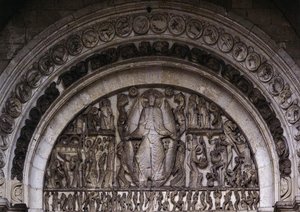
The Tympanum of the main portal (detail) by Gislebertus emerges from the stone of the Saint-Lazare Cathedral in Autun, France. Created about 1130, this relief captures a profound moment of divine reckoning. It presents a scene from the Last Judgment, where the boundaries between the earthly and the eternal seem to dissolve. The figures move with a frantic, stylized energy that defines the Romanesque style. Every carved line speaks to…

2
Pilgrims (1120) tarafından Gislebertus

Pilgrims

1120 · Stone · Autun Saint Lazare Katedrali, Autun

In the stone of Saint Lazare Cathedral in Autun, France, the relief titled Pilgrims captures a moment of quiet devotion. Created by the French Romanesque sculptor Gislebertus about 1120, the work depicts figures caught in a singular act of prayer. These travelers move through the heavy, carved medium to find a stillness in the midst of their movement. The stone holds the weight of their supplication.

3
Last Judgment (detail) (1130) tarafından Gislebertus

Last Judgment (detail)

1130 · Stone · Autun Saint Lazare Katedrali, Autun

The work before us is the Last Judgment (detail) by Gislebertus. This relief carving, created about 1130, offers a focused view of the profound theological drama unfolding within the Saint-Lazare Cathedral in Autun, France. It is situated within the Кафедральний собор Святого Лазаря в Отюні, Autun, where it remains a central element of the cathedral's architectural and spiritual program.

10
Judas' Ölümü (1120) tarafından Gislebertus

Judas' Ölümü

1120 · Tuval Üzerine Akrilik Boya · Autun Saint Lazare Katedrali, Autun

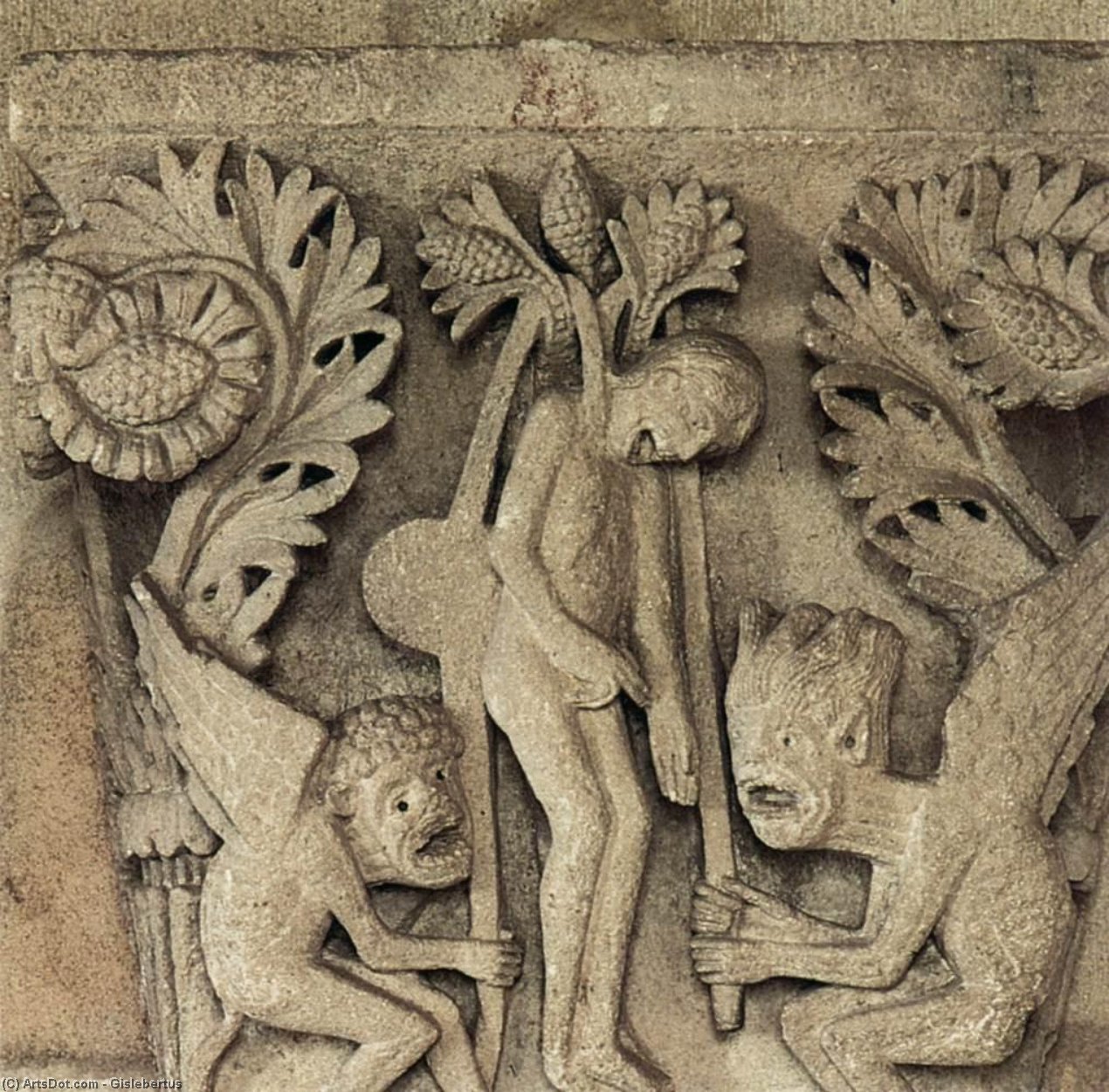
The sculpture “Suicide of Judas,” created around 1120 by Gislebertus, stands as a cornerstone of Romanesque art and embodies the profound spiritual anxieties of its time. Located within the Sainte-Lazare Cathedral in Autun, France—a cathedral itself representing an ambitious undertaking to express Christian faith—this monumental tympanum panel transcends mere representation; it’s a visceral portrayal of betrayal and despair rendered with unparalleled skill.

Gislebertus'in ünlü tabloları, 11. ile 11. arası

Gislebertus'ın ilgisini çeken konular

Bu orijinal eserlerde en sık karşılaşılan ve her biri en seçkin örneğine sahip olan dört konu.

Gislebertus'in orijinal eserlerinin sergilendiği müzeler

Bu sayfadaki tabloların çoğuna ev sahipliği yapan 2 müze.

Müze Şehir Gislebertus Eserleri Bu listedeki tablolar
Autun Saint Lazare Katedrali, AutunAutun Saint Lazare Katedrali Autun 9 Tympanum of the main portal (detail), Pilgrims, Last Judgment (detail)
Musée Rolin, AutunMusée Rolin Autun 1 Eve

Yıllar içinde Gislebertus: her birinin eşsiz orijinalleri

Burada gösterilen tüm tarihli Gislebertus orijinalleri tek bir yıla, 1130 yılına aittir: Ünlü olma sırasına göre sıralanmışlardır.

Yıla göre eserler

Orijinallerini görmek için bir yıl seçin.

Gislebertus'in tabloları: galeri için sorular

Gislebertus tarafından yapılmış en ünlü eser hangisidir?Cevabı göster

Tympanum of the main portal (detail) (1130), Autun Saint Lazare Katedrali, Autun. Ardından Pilgrims (1120) ve Last Judgment (detail) (1130) geliyor.

Gislebertus, Tympanum of the main portal (detail) eserini kaç yaşında yarattı?Cevabı göster

10 yaşında: Tympanum of the main portal (detail) 1130 yılına aittir ve Gislebertus 1120 yılında doğmuştur.

Gislebertus tarafından yapılmış en ünlü on tablo hangileridir?Cevabı göster

Tympanum of the main portal (detail), Pilgrims, Last Judgment (detail), Dream of the Magi, Tympanum of the main portal, Eve, Last Judgment, Main portal, Last Judgment (detail) ve Judas' Ölümü. Yukarıdaki sıralama, her birinin yapım yılını ve bulunduğu müzeyi göstermektedir.

Gislebertus tarafından yapılmış kaç eser bilinmektedir?Cevabı göster

Kataloğumuzda Gislebertus tarafından yapılmış 11 eser bulunmaktadır.

En ünlü Gislebertus orijinalleri nerede görülebilir?Cevabı göster

Çoğunlukla Autun Saint Lazare Katedrali (Autun) ve Musée Rolin (Autun) bünyesinde yer almaktadır. Yukarıdaki müze tablosu tümünü listelemektedir.

Gislebertus en bilinen tablolarını hangi dönemde yaptı?Cevabı göster

1130 döneminde: Bu sayfadaki 11 eserin 7 tanesi o dönemde yapılmıştır, bunların Tympanum of the main portal (detail) tanesi ise Tympanum of the main portal (detail) arasındadır.

Gislebertus hangi konuları tercih ederdi?Cevabı göster

Medieval art (3), People (2) ve Figures (2), bu sayfadaki 11 eser genelinde.

Gislebertus en çok hangi malzemelerle resim yaptı?Cevabı göster

Bu sayfadaki 11 eserin 3 tanesi Stone türündedir.

Gislebertus eserleri hangi akıma aittir?Cevabı göster

bu sayfadaki orijinallerine bakılırsa Romanesque,

Autun Saint Lazare Katedrali bünyesinde Gislebertus imzalı hangi orijinal eserleri görebilirim?Cevabı göster

Tympanum of the main portal (detail), Pilgrims ve Last Judgment (detail): Autun Saint Lazare Katedrali, Autun, bu sayfadaki eserlerden 9 tanesine ev sahipliği yapmaktadır.

El boyaması Gislebertus reprodüksiyonu nereden sipariş edebilirim?Cevabı göster

Evet, bir reprodüksiyon olarak: Orijinal eser müzesinde kalır, ancak bu sayfadaki herhangi bir tablo, tablonun kendi sayfasından, size özel olarak tek tek ve elle boyanarak sipariş üzerine üretilebilir.

Gislebertus: sanatçının bir portresi

Gislebertus: The Sculptor of Autun Cathedral’s Divine Vision

Gislebertus, a name etched in stone and whispered through the centuries, stands as one of the most remarkable figures of Romanesque sculpture. Specifically celebrated for his profound contribution to Saint Lazare Cathedral in Autym, France, he emerged from the fertile artistic landscape of Burgundy during a period profoundly shaped by religious fervor and burgeoning architectural ambition. Born sometime around 1120, Gislebertus lived through an era where art served as the primary language of the faithful. While biographical details remain scarce, scholars believe he was trained at Cluny Abbey, arguably the epicenter of European monastic art and intellectual life at the time. This formative experience instilled in him a deep understanding of biblical narratives and imbued his work with an unwavering devotion to Christian themes.

His initial role at Cluny involved assisting the master sculptor, cementing his position within a tradition prioritizing didactic storytelling—conveying moral lessons through visual representation. The cathedral’s ambitious project demanded exceptional skill, and Gislebertus quickly established himself as a pivotal talent. Recognizing the importance of providing solace to pilgrims afflicted with leprosy—a prevalent ailment during the 12th century—the Abbey envisioned Saint Lazare as more than just a place of worship; it was intended as a sanctuary for the marginalized. This vision profoundly impacted Gislebertus’ artistic sensibilities, prompting him to create reliefs that resonated with compassion and hope, featuring imagery designed to uplift those facing immense suffering.

Mastery of Emotion and Narrative Relief

The true genius of Gislebertus lies in his ability to translate complex theological concepts into visceral, physical forms. His work at Autun is characterized by a dramatic use of line and shadow that breathes life into the cold stone. In masterpieces such as the Suicide of Judas, created around 1120-30, he captures the raw horror and despair associated with treason. Through the depiction of hanging figures and menacing demonic entities, Gisleberus showcases an exceptional skill in capturing human psychological torment, a hallmark of the Romanesque style that pushes the boundaries of medieval expression.

Beyond the scenes of tragedy, his work also celebrates the spiritual journey of the faithful. In his Pilgrims relief, one can observe a powerful depiction of devotion, where strong lines and dramatic shadows emphasize the physical and spiritual weight of the pilgrimage. This ability to oscillate between the terrifying aspects of divine judgment and the quiet strength of religious perseverance makes his oeuvre uniquely captivating. His sculptures do not merely decorate a building; they act as a window into the medieval soul, inviting the viewer to contemplate the eternal struggle between good and evil.

Legacy and Historical Significance

The artistic development of Gislebertus represents a crucial bridge in the evolution of European art. While his roots are firmly planted in the Romanesque tradition of Cluny, his expressive power and narrative complexity hint at the burgeoning naturalism that would later define Gothic art. His work on the Dream of the Magi further demonstrates this sophisticated approach to storytelling, blending historical reverence with a sense of wonder.

The enduring significance of Gislebertus can be summarized through several key contributions:

  • Narrative Innovation: He transformed architectural elements like tympanums into complex, readable storybooks for the illiterate masses.
  • Emotional Depth: He moved beyond static iconography to introduce psychological depth and human emotion into stone sculpture.
  • Cluniac Influence: He carried the high intellectual and spiritual standards of Cluny Abbey into the public sphere of cathedral architecture.
  • Architectural Integration: His ability to harmonize intricate sculptural detail with the massive, heavy forms of Romanesque architecture remains a pinnacle of medieval craftsmanship.

Today, the works of Gislebertus remain some of the most studied and revered examples of 12th-century art. He remains a master whose hands, though long since returned to dust, continue to speak through the enduring stone of Autun, reminding us of a time when art was the ultimate vessel for the divine.

Gislebertus tarafından yapılan tüm 11 eser →