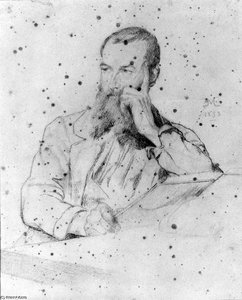
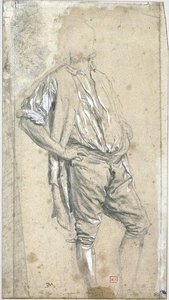
Portrait of Ernest Meissonier

The 100 Most Famous Ernest Meissonier Paintings, a Gallery Selection

Updated Ekim 2026 · ranked by our popularity score (searches, visits and orders for each work) · 238 works by Ernest Meissonier in our catalogue

In short

Of all the originals Ernest Meissonier left, the most famous is Napoleon and his Staff (1868), in the collection of the Wallace Collection, Londra. Close behind it come Portrait of Marquesa de Manzanedo (1872) and The Painting Connoisseurs (1860). Our catalog holds 238 works by Ernest Meissonier; the gallery has kept the 100 the world admires most, each shown with its date, its museum and its story.

1815 – 1891, Lyon Realism Most works: Wallace Collection

Ernest Meissonier's top 10 paintings: the gallery's choice

1
Napoleon and his Staff (1868) by Ernest Meissonier

Napoleon and his Staff

1868 · Wallace Collection, Londra

Jean-Louis Ernest Meissonier's "Napoleon and His Staff," painted in 1868, is more than just a historical depiction; it’s a meticulously crafted tableau of power, military precision, and the weight of leadership. This small oil painting on mahogany panel – measuring a modest 17 x 18 cm – belies its diminutive size with an astonishing level of detail, transporting the viewer directly into the heart of Napoleon's campaigns. Meissonier, a master…

2
Portrait of Marquesa de Manzanedo (1872) by Ernest Meissonier

Portrait of Marquesa de Manzanedo

1872 · Oil On Canvas · Museo del Prado, Madrid

Jean-Louis Ernest Meissonier’s “Portrait of the Marquesa de Manzanedo” is more than just a painting; it's a meticulously crafted snapshot of 19th-century Spanish aristocracy and the opulent world they inhabited. Completed in 1872, this work transports us to a richly decorated salon, brimming with luxurious fabrics, ornate furniture, and an atmosphere of quiet dignity. The Marquesa herself, a woman of considerable bearing, sits poised within this tableau, her expression serene…

3
The Painting Connoisseurs (1860) by Ernest Meissonier

The Painting Connoisseurs

1860 · Oil On Canvas · Musée d'Orsay, Paris

Jean Louis Ernest Meissonier’s “The Painting Connoisseurs,” completed in 1860, isn't merely a depiction of men discussing art; it’s a meticulously crafted snapshot of intellectual curiosity and artistic aspiration within the gilded halls of Victorian France. Housed in the Musée d’Orsay, this oil on panel painting transcends its formal setting to offer viewers an intimate glimpse into the creative process itself.

4
The Hired Assassins (1852) by Ernest Meissonier

The Hired Assassins

1852 · Oil On Canvas · Wallace Collection, Londra

Jean-Louis-Ernest Meissonier’s “The Hired Assassins,” painted in 1852, is not merely a historical scene; it's a meticulously crafted window into the shadowed world of 17th-century France – a realm of clandestine plots, simmering resentments, and brutal efficiency. This arresting work, now housed within The Wallace Collection in London, immediately captivates with its dramatic composition and astonishing level of detail, qualities that cemented Meissonier’s reputation as one of the foremost artists…

5
Isaiah (1838) by Ernest Meissonier

Isaiah

1838 · Oil On Canvas · Wallace Collection, Londra

Isaiah by Jean Louis Ernest Meissonier - A Masterpiece of Historical Realism Jean-Louis Ernest Meissonier (1815–1891), a name synonymous with meticulous detail and historical narrative in 19th-century French painting, emerged as a pivotal figure bridging the gap between academic tradition and a burgeoning realism. Born in Lyon in 1815, his path to artistic renown was initially met with familial resistance. His father envisioned a career in business for young Ernest,…

6
A Cavalier Time of Louis XIII (1861) by Ernest Meissonier

A Cavalier Time of Louis XIII

1861 · Oil On Panel · Wallace Collection, Londra

A Portrait Steeped in History: Jean-Louis Ernest Meissonier’s “A Cavalier Time of Louis XIII” Jean-Louis Ernest Meissonier stands as an undisputed champion of miniature realism—a painter who meticulously captured the nuances of everyday life with astonishing precision. Born in Lyon in 1815, his artistic ambitions clashed initially with his father's pragmatic aspirations for a secure business career; however, the irresistible pull of art ultimately prevailed, securing young Ernest’s freedom to…

7
1814. Campagne de France (Napoleon and his staff returning from Soissons after the Battle of Laon) (1864) by Ernest Meissonier

1814. Campagne de France (Napoleon and his staff returning from Soissons after the Battle of Laon)

1864 · Oil On Canvas · Musée d'Orsay, Paris

In the vast landscape of nineteenth-century French Realism, few works capture the heavy atmosphere of historical transition as poignantly as Jean-Louis Ernest Meissonier’s "1814. Campagne de France." Painted between 1860 and 1864, this monumental canvas serves as much more than a mere chronicle of military movement; it is a profound psychological study of an empire in decline. The scene depicts Napoleon Bonaparte and his weary staff during their arduous retreat…

8
Halt at an Inn (1863) by Ernest Meissonier

Halt at an Inn

1863 · Oil On Panel · Wallace Collection, Londra

Halt at an Inn – A Masterpiece of Detail Jean-Louis Ernest Meissonier’s “Halt at an Inn” transcends mere depiction; it's a meticulously crafted tableau vivant, capturing a pivotal moment in Welsh history and embodying the artist’s unwavering dedication to realism. Painted circa 1862–1863, this artwork resides within The Wallace Collection’s impressive holdings, offering visitors a rare glimpse into the artistic sensibilities of Victorian Britain. More than just a visual record,…

9
The siege of Paris in 1870 (1884) by Ernest Meissonier

The siege of Paris in 1870

1884 · Oil On Canvas · Musée d'Orsay, Paris

Jean-Louis Ernest Meissonier’s “The Siege of Paris in 1870” is more than a historical painting; it's a visceral immersion into one of the most pivotal moments of 19th-century European history. Completed in 1884, this monumental oil-on-canvas work captures the brutal intensity and unwavering spirit of the Parisian defense during the Franco-Prussian War. Meissonier, renowned for his meticulous attention to detail and mastery of historical narrative, doesn’t simply depict a battle;…

10
Departure of the Volunteers by Ernest Meissonier

Departure of the Volunteers

Watercolor

Departure of the Volunteers is a 19th-century work by the French painter Jean-Louis Ernest Meissonier. The artist, born in 1815, captured this scene during a century of shifting borders and military movement. The work exists as a quiet study of men in transition, caught in a moment of preparation before the march begins.

The Ernest Meissonier selection continues, 11 to 100

11A Cuirassier by Ernest MeissonierA Cuirassier 12The Star of the Dragoons under Louis XV (1863) by Ernest MeissonierThe Star of the Dragoons under Louis XV1863 · Condé Müzesi 13The Recital (1853) by Ernest MeissonierThe Recital1853 · Wallace Collection 14The Halt by Ernest MeissonierThe HaltMusée Massey 15Leland Stanford (1881) by Ernest MeissonierLeland Stanford1881 · Cantor Arts Center at Stanford University 16A Musketeer Time of Louis XIII (1856) by Ernest MeissonierA Musketeer Time of Louis XIII1856 · Wallace Collection 17The Defense of Paris (1870) by Ernest MeissonierThe Defense of Paris1870 · Şikago Sanat Enstitüsü 18Sunday in Poissy (1850) by Ernest MeissonierSunday in Poissy1850 19The Jovial Trooper (1865) by Ernest MeissonierThe Jovial Trooper1865 · Walters Art Museum 20Petit poste de Grand'Garde, 8e Hussards en 1803 (1869) by Ernest MeissonierPetit poste de Grand'Garde, 8e Hussards en 18031869 · Musée d'Orsay 21The Card Players (1863) by Ernest MeissonierThe Card Players1863 · Metropolitan Sanat Müzesi 22On a Terrace by Ernest MeissonierOn a TerraceMusée des Beaux-Arts 23The Roadside Inn (1865) by Ernest MeissonierThe Roadside Inn1865 · Wallace Collection 24The Deathbed (1841) by Ernest MeissonierThe Deathbed1841 · Amsterdam Museum 25Playing soldiers, seven figures (1840) by Ernest MeissonierPlaying soldiers, seven figures1840 26The Bravos (1852) by Ernest MeissonierThe Bravos1852 · Bavarian State Painting Collections 27A Sentinel: Time of Louis XIII (1851) by Ernest MeissonierA Sentinel: Time of Louis XIII1851 · Wallace Collection 28Arrival at the castle (1850) by Ernest MeissonierArrival at the castle1850 · National Museum of Fine Arts of Cuba 29A Guard (1849) by Ernest MeissonierA Guard1849 · National Gallery of Ireland 30Man Reading (1851) by Ernest MeissonierMan Reading1851 31A Poet (1859) by Ernest MeissonierA Poet1859 32The Flute Player (1858) by Ernest MeissonierThe Flute Player1858 · Musée National du Château de Compiègne 33The Bibliophile (1862) by Ernest MeissonierThe Bibliophile1862 · National Gallery of Ireland 34Officer and halberdier (1860) by Ernest MeissonierOfficer and halberdier1860 · Rijksmuseum Twenthe 35The Standard Bearer (1857) by Ernest MeissonierThe Standard Bearer1857 36The Musician (1859) by Ernest MeissonierThe Musician1859 37The Emperor Napoleon III at the Battle of Solferino (1863) by Ernest MeissonierThe Emperor Napoleon III at the Battle of Solferino1863 · Musée d'Orsay 38Napoleon and his Staff (1868) by Ernest MeissonierNapoleon and his Staff1868 · Wallace Collection 39Man in a Red Cloak (1867) by Ernest MeissonierMan in a Red Cloak1867 · National Gallery of Ireland 40A Song (1865) by Ernest MeissonierA Song1865 · National Gallery of Ireland 41Jules Pelletier (1867) by Ernest MeissonierJules Pelletier1867 42Maurice, Comte de Saxe Leading His Troops (1866) by Ernest MeissonierMaurice, Comte de Saxe Leading His Troops1866 43Diderot and his Scribe (1869) by Ernest MeissonierDiderot and his Scribe1869 44Group of Cavalry in the Snow: Moreau and Dessoles before Hohenlinden (1875) by Ernest MeissonierGroup of Cavalry in the Snow: Moreau and Dessoles before Hohenlinden1875 · National Gallery of Ireland 45The Card Players (1872) by Ernest MeissonierThe Card Players1872 46The Phiosopher (1878) by Ernest MeissonierThe Phiosopher1878 47The sergeants portrait (1874) by Ernest MeissonierThe sergeants portrait1874 · Hamburger Kunsthalle 48Colonel Félix Massue (1867) by Ernest MeissonierColonel Félix Massue1867 · Wallace Collection 49The Out-Post (1880) by Ernest MeissonierThe Out-Post1880 · Şikago Sanat Enstitüsü 50Bridge at Poissy (Pêcheurs à ligne) (1881) by Ernest MeissonierBridge at Poissy (Pêcheurs à ligne)1881 · Cleveland Museum of Art 51The Sentry (La Vedette) (1890) by Ernest MeissonierThe Sentry (La Vedette)1890 52The Guard Room (1847) by Ernest MeissonierThe Guard Room1847 · Wallace Collection 53Dragon à cheval portant le manteau en bandoulière by Ernest MeissonierDragon à cheval portant le manteau en bandoulièreLouvre Müzesi 54Study of a hand with book by Ernest MeissonierStudy of a hand with book 55Musketeer (1870) by Ernest MeissonierMusketeer1870 · Hermitaj Müzesi 56The Card Players (1863) by Ernest MeissonierThe Card Players1863 57The chess game by Ernest MeissonierThe chess game 58Horseman by Ernest MeissonierHorsemanMuseum of Fine Arts 59Dragon à cheval by Ernest MeissonierDragon à cheval 60Dragon en vedette dans la campagne by Ernest MeissonierDragon en vedette dans la campagneLouvre Müzesi 61French, meissonier) (1815) by Ernest MeissonierFrench, meissonier)1815 62A Man in Black smoking a Pipe (1854) by Ernest MeissonierA Man in Black smoking a Pipe1854 · National Gallery 63A Gentleman of the Reign of Louis XIII (1849) by Ernest MeissonierA Gentleman of the Reign of Louis XIII1849 · Scottish National Gallery 64On Guard (1860) by Ernest MeissonierOn Guard1860 · John and Mable Ringling Sanat Müzesi 65A White Horse (1863) by Ernest MeissonierA White Horse1863 · Chartwell 66A Game of Piquet (1861) by Ernest MeissonierA Game of Piquet1861 67Napoleon I, 1814 (1862) by Ernest MeissonierNapoleon I, 18141862 · Walters Art Museum 68Innocents and Card Sharpers (A Game of Piquet) (1861) by Ernest MeissonierInnocents and Card Sharpers (A Game of Piquet)1861 · National Museum Cardiff 69Studies of a White Horse (1864) by Ernest MeissonierStudies of a White Horse1864 70Bachelier, Artist's Horse (1871) by Ernest MeissonierBachelier, Artist's Horse1871 · Petit Palais 71Study for the Mounted Officers (1869) by Ernest MeissonierStudy for the Mounted Officers1869 · Joslyn Art Museum 72Sketch for the Outpost of the Hussards (1868) by Ernest MeissonierSketch for the Outpost of the Hussards1868 · Rhode Island School of Design Museum of Art 73The Death of Polonius (1868) by Ernest MeissonierThe Death of Polonius1868 · Ferens Art Gallery 74The End of the Game of Card (1870) by Ernest MeissonierThe End of the Game of Card1870 · Walters Art Museum 75Playing Bowles In The Fosse at Antibes (1885) by Ernest MeissonierPlaying Bowles In The Fosse at Antibes1885 · Arnot Art Museum 76The Lost Game (1858) by Ernest MeissonierThe Lost Game1858 · Wallace Collection 77Self portrait (1889) by Ernest MeissonierSelf portrait1889 · Musée d'Orsay 78Pasquale (1888) by Ernest MeissonierPasquale1888 79Portrait of Madame Sabatier, holding a small green umbrella by Ernest MeissonierPortrait of Madame Sabatier, holding a small green umbrella 80A Man in Contemporary Dress by Ernest MeissonierA Man in Contemporary DressNational Gallery of Ireland 81Officer by Ernest MeissonierOfficerMuseum of Fine Arts 82The Trumpet of 1807 by Ernest MeissonierThe Trumpet of 1807 83Pontoon in Venice by Ernest MeissonierPontoon in Venice 84Sketch of a Soldier 1 by Ernest MeissonierSketch of a Soldier 1 85Self-Portrait 1 by Ernest MeissonierSelf-Portrait 1 86Dead Man by Ernest MeissonierDead Man 87A study of drapery by Ernest MeissonierA study of drapery 88Self-portrait by Ernest MeissonierSelf-portrait 89Study of young man standing by Ernest MeissonierStudy of young man standing 90The Grand Smoker by Ernest MeissonierThe Grand Smoker 91Punch Rose by Ernest MeissonierPunch Rose 92The Sign Painter by Ernest MeissonierThe Sign Painter 93Rider in the storm by Ernest MeissonierRider in the storm 94An officer of the Republic by Ernest MeissonierAn officer of the Republic 95A gentleman, Louis XIII by Ernest MeissonierA gentleman, Louis XIII 96Young smoker in the window by Ernest MeissonierYoung smoker in the window 97The Sleep of the bailiff by Ernest MeissonierThe Sleep of the bailiff 98Man Smoking by Ernest MeissonierMan Smoking 99Dideroi by Ernest MeissonierDideroi 100Study for the project of the Pantheon by Ernest MeissonierStudy for the project of the Pantheon

The subjects that held Ernest Meissonier's eye

The four subjects that come back most often in these originals, each with its finest example.

The museums that keep Ernest Meissonier's originals

The 8 museums that hold the most of the paintings on this page.

Museum City Works by Ernest Meissonier Paintings from this list
Wallace Collection, LondraWallace Collection Londra 17 Napoleon and his Staff, The Hired Assassins, Isaiah
Musée d'Orsay, ParisMusée d'Orsay Paris 11 The Painting Connoisseurs, 1814. Campagne de France (Napoleon and his staff returning from Soissons after the Battle of Laon), The siege of Paris in 1870
National Gallery of Ireland, DublinNational Gallery of Ireland Dublin 6 A Guard, The Bibliophile, Man in a Red Cloak
Walters Art Museum, BaltimoreWalters Art Museum Baltimore 3 The Jovial Trooper, Napoleon I, 1814, The End of the Game of Card
Louvre Müzesi, ParisLouvre Müzesi Paris 8 Dragon à cheval portant le manteau en bandoulière, Dragon en vedette dans la campagne
Museum of Fine Arts, BostonMuseum of Fine Arts Boston 3 Horseman, Officer
Şikago Sanat Enstitüsü, ChicagoŞikago Sanat Enstitüsü Chicago 2 The Defense of Paris, The Out-Post
Metropolitan Sanat Müzesi, New YorkMetropolitan Sanat Müzesi New York 4 The Card Players

Ernest Meissonier decade by decade: the original that defines each

Works per decade

Pick a decade to see the original that defines it.

Collectors' questions about Ernest Meissonier's paintings

Which work is Ernest Meissonier most famous for?Reveal the answer

Napoleon and his Staff (1868), Wallace Collection, Londra. Portrait of Marquesa de Manzanedo (1872) and The Painting Connoisseurs (1860) come next.

What age was Ernest Meissonier when Napoleon and his Staff was made?Reveal the answer

53 years old: Napoleon and his Staff dates from 1868, and Ernest Meissonier was born in 1815.

What are the ten most famous Ernest Meissonier paintings?Reveal the answer

Napoleon and his Staff, Portrait of Marquesa de Manzanedo, The Painting Connoisseurs, The Hired Assassins, Isaiah, A Cavalier Time of Louis XIII, 1814. Campagne de France (Napoleon and his staff returning from Soissons after the Battle of Laon), Halt at an Inn, The siege of Paris in 1870 and Departure of the Volunteers. The ranking above gives each one's year and museum.

How many paintings did Ernest Meissonier leave?Reveal the answer

Our catalog holds 238 works by Ernest Meissonier, dated from 1838 to 1890.

In which museums do Ernest Meissonier's masterpieces hang?Reveal the answer

Mostly in Wallace Collection (Londra), Musée d'Orsay (Paris) and National Gallery of Ireland (Dublin). The museum table above lists them all.

In which years did Ernest Meissonier paint the most famous works?Reveal the answer

In 1860s: 30 of the 100 works on this page were made then, Napoleon and his Staff among them.

What are the first and the last famous originals of Ernest Meissonier?Reveal the answer

On this page, the earliest is Isaiah (1838) and the latest The Sentry (La Vedette) (1890).

Which subjects did Ernest Meissonier choose most often?Reveal the answer

Men (7), 19th century (6) and Military history (5), across the 100 works on this page.

Which technique did Ernest Meissonier use most?Reveal the answer

Oil On Canvas, for 11 of the 100 works on this page.

To which art movement does Ernest Meissonier belong?Reveal the answer

Realism and Academic realism, judging by the originals on this page.

Which Ernest Meissonier works hang at the Wallace Collection?Reveal the answer

Napoleon and his Staff, The Hired Assassins and Isaiah: the Wallace Collection, Londra holds 13 of the works on this page.

Can I commission a reproduction of a Ernest Meissonier painting?Reveal the answer

Yes, as a reproduction: the original stays in its museum, but any painting on this page can be painted by hand for you, made to order one at a time, from the painting's own page.

Ernest Meissonier: life and work

Jean-Louis Ernest Meissonier: Detayın Şövalyesi ve Tarihin Ressamı

19. yüzyıl Fransız resim sanatında titizlikle işlenmiş detayları ve tarihi anlatılarıyla tanınan Jean-Louis Ernest Meissonier, akademik gelenek ile yükselen gerçekçilik arasındaki boşluğu köprüleyen önemli bir figürdür. 1815 yılında Lyon’da doğan sanatçının şöhrete giden yolu başlangıçta ailesinin direnciyle karşılaşmıştır. Babası Ernest için iş dünyasında bir kariyer hayal ederken, genç sanatçının sanata olan tutkusu görmezden gelinemeyecek kadar güçlüydü. 17 yaşında izin alarak tutkusunun peşinden gitmeye başladı ve onu Fransa’nın en ünlü ve başarılı sanatçılarından biri yapacak bir yolculuğa çıktı. Léon Cogniet altında aldığı erken eğitim sağlam bir temel sağladı, ancak Louvre Müzesi'ndeki Hollandalı ustaların – Gabriel Metsu ve Gerard Douw gibi ressamların – dikkatli çalışmasıyla Meissonier gerçek sanatsal sesini buldu. Bu ustalar, burjuva yaşamının samimi sahnelerini hayranlık uyandıran bir hassasiyetle tasvir etmeleriyle tanınıyorlardı; bu da gelişen tarzını derinden etkiledi ve alametifarikası haline gelecek detaylara olan bağlılığını aşıladı.

Tür Sahnesinden Görkemli Tarihi Anlatılara

Meissonier’in dönüm noktası 1831 yılında Salon'da sergilenen *Hollandalı Burjuvalar* (Les Bourgeois Flamands) ile geldi. Bu eser, onun benzersiz yeteneğini – günlük yaşam sahnelerini veya tarihi skeçleri inanılmaz bir doğruluk düzeyinde yeniden yaratma kapasitesini – hemen gösterdi. Sadece nesneleri tasvir etmekle kalmıyordu; dokuları, ışığı ve atmosferi nefes kesen bir sadakatle yakalayarak dünyaları titizlikle yeniden inşa ediyordu. Bu erken başarısı, *Satranç Oyunu* (1841) ve *Çello Çalan Genç Adam* (1842) gibi büyüleyici tür resimlerini üretmesine olanak tanıdı. Bu eserler sadece teknik beceri alıştırmaları değildi; aynı zamanda insan karakterine ve sosyal etkileşimlere dair içgörülü gözlemlerdi. Ancak Meissonier’in hırsları samimi tür sahnelerinin ötesine uzanıyordu. 1848 olayları sırasında Ulusal Muhafızda görev yapması onu derinden etkiledi ve daha geniş tarihi temalara değirme arzusunu körükledi. Bu değişim, *Solferino'daki İmparator* gibi anıtsal eserlerde doruk noktasına ulaştı; bu da önceki tarzından bir ayrılışı temsil ediyor ve imza hassasiyetini korurken karmaşık kompozisyonları ve görkemli anlatıları ele alma yeteneğini gösterdi.

Sabır ve Keskinlikle Tanımlanan Bir Teknik

Meissonier’i gerçekten farklı kılan şey, ne resmettiği değil, *nasıl* resmettiğiydi. Tekniği, titiz detaycılığıyla efsaneviydi. Geniş fırça darbeleri veya izlenimci efektlerle yetinmiyordu; kompozisyonlarındaki her öğe olağanüstü bir gerçeklik duygusu elde etmek için katman katman özenle işleniyordu. Kostümler, silahlar ve mimari detaylar hakkında kapsamlı araştırmalar yaptı ve tarihi doğruluğu sağlamak için titizlikle çalıştı. Bu bağlılık doğal dünyaya da uzanıyordu – özellikle savaş sahnelerinde atları yoğun bir şekilde inceledi, anatomi ve hareketlerini ikna edici bir şekilde tasvir etti. Bazı eleştirmenler onun eserlerinin takıntı sınırına yaklaştığını öne sürdü, ancak tam da bu sarsılmaz detaycılık izleyicileri büyüledi ve itibarını pekiştirdi. Etkili İngiliz sanat eleştirmeni John Ruskin, Meissonier’in resimlerini bir büyüteçle inceledi ve sanatçının “manuel becerisine ve büyüleyici ayrıntılara olan gözüne” hayran kaldı.

Mirası ve Kalıcı Etkisi

19. yüzyılın sonlarına doğru Jean-Louis Ernest Meissonier, Fransa’nın en ünlü sanatçılarından biri haline gelmişti. Eserleri yüksek fiyatlara satılıyordu ve titiz sürecini kolaylaştırmak için tasarlanmış stüdyoları olan Poissy'de görkemli bir mülk edinmesine olanak tanıyordu. Teknik ustalığı ve tarihi canlandırma yeteneği nedeniyle övgüler almıştır. Bazı eleştirmenler konu yelpazesinin – genellikle askeri sahneler veya tarihi yeniden yaratımlar üzerine odaklanması – sınırlı olduğunu sorgularken, sonraki nesiller üzerindeki derin etkisini inkar etmek mümkün değildir. Detaya olan bağlılığı, tarihi doğruluğa olan bağlılığı ve ustaca tekniği bugün ressamlara ilham vermeye devam ediyor. Eserleri Paris'teki Musée d'Orsay ve Washington D.C.'deki Ulusal Sanat Galerisi gibi dünya çapındaki müzelerde gururla sergileniyor ve sabrın, keskinliğin ve sanatsal vizyonun gücüne bir kanıt olarak mirasının sürmesini sağlıyor. Meissonier’in sanatını daha fazla keşfetmek için OriginalUniqueArt.com web sitesini veya Musée d'Orsay web sitesini ziyaret edin.

All 238 works by Ernest Meissonier →