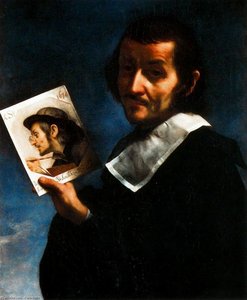
Carlo Dolci portresi

Her Biri Benzersiz, En Ünlü 86 Carlo Dolci Tablosu

Kasım 2026 tarihinde güncellendi · popülerlik puanımıza göre sıralanmıştır (her bir eser için aramalar, ziyaretler ve siparişler) · 87 eser Carlo Dolci kataloğumuzda

Özetle

The Adoration of the Kings (1649), en çok ilgi çeken Carlo Dolci tablosudur; orijinali Londra, National Gallery bünyesinde bulunmaktadır. Ardından göz, The Guardian Angel (1675) ve Madonna in Glory (1670) üzerine yoğunlaşır. Kataloğumuzdaki Carlo Dolci imzalı 87 eser arasından seçilen bu 86 eser; yapıldığı yıl, sergilendiği müze ve zamana meydan okuma nedenleriyle birlikte sunulan en ünlü ve her biri eşsiz orijinal çalışmalardır.

1616 – 1686, Firenze Baroque En çok eser: Bavarian State Painting Collections

Galerinin gözünden Carlo Dolci tarafından yapılan en iyi 10 tablo

1
The Adoration of the Kings (1649) tarafından Carlo Dolci

The Adoration of the Kings

1649 · Oil On Canvas · National Gallery, Londra

To stand before Carlo Dolci's depiction of The Adoration of the Kings is to step across the threshold of time and into a sanctuary of profound, quiet devotion. This magnificent work captures not the bombast of grand public spectacle, but the intimate, luminous moment where divinity meets earthly reverence. The composition centers on Mary cradling the infant Jesus, figures bathed in a soft, almost palpable glow that speaks volumes about…

2
The Guardian Angel (1675) tarafından Carlo Dolci

The Guardian Angel

1675 · Oil On Canvas · Museum of the Cathedral, Prato

Carlo Dolci's “The Guardian Angel,” completed in 1675, transcends mere depiction; it embodies the spiritual fervor characteristic of Baroque art and stands as a testament to Dolci’s masterful artistic vision. Housed within the Museum of the Cathedral in Prato, Italy, this oil on canvas masterpiece invites contemplation and offers a glimpse into the profound symbolism woven throughout its composition.

3
Madonna in Glory (1670) tarafından Carlo Dolci

Madonna in Glory

1670 · Oil On Canvas · Cantor Arts Center at Stanford University, Stanford

Carlo Dolci's "Madonna in Glory," painted around 1670, is not merely a depiction of the Virgin Mary; it’s an immersion into the heart of Florentine Baroque piety. This intimate portrait, likely intended for private devotion, reveals a masterclass in restrained emotion and meticulous technique – qualities that cemented Dolci's reputation as one of Florence’s most revered artists during his era. The painting immediately draws the viewer in with its dark,…

4
Vase of Flowers (1662) tarafından Carlo Dolci

Vase of Flowers

1662 · Oil On Canvas · Galleria degli Uffizi, Floransa

Carlo Dolci executed the Vase of Flowers in 1662. This oil on canvas work belongs to the genre of still life painting. It is currently held within the collection of the Galleria degli Uffizi in Florence, Italy.

5
Ecce Homo (1651) tarafından Carlo Dolci

Ecce Homo

The figure of Christ is presented in a vertical bust-length portrait, his gaze directed slightly upward in a state of profound suffering. A crown of thorns encircles his head, the sharp points protruding into the space around him. He is draped in a deep crimson mantle over a blue undergarment, with a thick rope tied around his neck. The composition focuses on the immediate, intimate connection between the subject and…

6
Saint Philip Neri (1515–1595) (1645) tarafından Carlo Dolci

Saint Philip Neri (1515–1595)

1645 · Oil · Metropolitan Sanat Müzesi, New York

The room falls away into an indeterminate darkness, leaving only the figure of an elderly man to meet the eye. He sits in a quiet, heavy stillness, his face emerging from the gloom as if caught in a sudden, soft beam of light from the upper left. This is Saint Philip Neri, and even in this frozen moment, there is a sense of profound, inward movement. His skin, rendered with…

7
Portrait of Vittoria della Rovere (1622-1694) as St. Catherine (1640) tarafından Carlo Dolci

Portrait of Vittoria della Rovere (1622-1694) as St. Catherine

1640 · Oil On Canvas · Kunsthistorisches Museum, Viyana

Vittoria della Rovere is presented within an octagonal frame, her likeness transformed through the lens of religious iconography. Portrayed as St. Catherine, she gazes directly at the viewer with a poised, calm expression. The composition centers on her bust-length figure, where the light focuses intensely upon her face and chest. This use of tenebrism creates a deep sense of three-dimensionality, pulling the subject forward from a dark, warm background.

8
Mattias de' Medici (1613-1667) (1635) tarafından Carlo Dolci

Mattias de' Medici (1613-1667)

1635 · Oil On Canvas · Kunsthistorisches Museum, Viyana

A Presence in Polished Steel The figure of Mattias de' Medici commands the space, frozen in a moment of quiet authority. He stands centrally, his body encased in the dark, reflective weight of black plate armor that catches the light from the upper left. This metallic surface gleams with subtle highlights, contrasting sharply against the deep scarlet red of his breeches. A decorative sash and a fine lace collar add…

9
Saint Andrew the Apostle (1658) tarafından Carlo Dolci

Saint Andrew the Apostle

1658 · Oil On Canvas · Statens Museum For Kunst, Kopenhag

In Saint Andrew the Apostle by Carlo Dolci, the viewer meets a figure caught in a moment of profound spiritual weight. The composition follows a vertical arrangement, pulling the gaze upward toward the saint's head and upper torso. He sits slightly off-center, creating a sense of natural, unforced presence. A large, dark wooden saltire cross cuts diagonally across the frame, its heavy shape anchoring the saint within the shadows. A…

10
The Virgin (1658) tarafından Carlo Dolci

The Virgin

1658 · Oil On Canvas · Statens Museum For Kunst, Kopenhag

The Virgin is a somber and deeply emotive Baroque portrait of a woman, likely the Virgin Mary, rendered in oil on canvas. The composition is a close-up, centered on the subject's downward-looking face, which is partially shrouded by a heavy dark blue mantle. The color palette is restrained, dominated by deep blues, shadows, and warm skin tones, with a single highlight of white fabric at the neck.

Carlo Dolci'in ünlü tabloları, 11. ile 86. arası

11Christ and Mary Magdalen in the House of Simon (1645) tarafından Carlo DolciChrist and Mary Magdalen in the House of Simon1645 · Nationalmuseum 12Christ's Agony in the Garden of Gethsemane (1658) tarafından Carlo DolciChrist's Agony in the Garden of Gethsemane1658 · Statens Museum For Kunst 13Archduchess Claudia Felicitas (1653-1676) (1672) tarafından Carlo DolciArchduchess Claudia Felicitas (1653-1676)1672 · Kunsthistorisches Museum 14The boy Jesus invites the Christian soul to crown it according to the Song of Songs (1674) tarafından Carlo DolciThe boy Jesus invites the Christian soul to crown it according to the Song of Songs1674 · Kunsthistorisches Museum 15Allegory of Sincerity (1665) tarafından Carlo DolciAllegory of Sincerity1665 · Kunsthistorisches Museum 16St Andrew Praying before his Martyrdom (1643) tarafından Carlo DolciSt Andrew Praying before his Martyrdom1643 · Birmingham Museum and Art Gallery 17The Flight into Egypt (1648) tarafından Carlo DolciThe Flight into Egypt1648 · Detroit Institute of Arts 18The Trinity in Glory (1640) tarafından Carlo DolciThe Trinity in Glory1640 · Rhode Island School of Design Museum of Art 19Saint John the Baptist (1645) tarafından Carlo DolciSaint John the Baptist1645 · Hatchlands Park 20Saint John the Evangelist (1647) tarafından Carlo DolciSaint John the Evangelist1647 · Pushkin Devlet Güzel Sanatlar Müzesi 21Saint Agnes (1651) tarafından Carlo DolciSaint Agnes1651 · Bavarian State Painting Collections 22The Penitent Mary Magdalene (1651) tarafından Carlo DolciThe Penitent Mary Magdalene1651 · Bavarian State Painting Collections 23Penitent Mary Magdalene (1651) tarafından Carlo DolciPenitent Mary Magdalene1651 · Bavarian State Painting Collections 24Christ Carrying the Cross (1651) tarafından Carlo DolciChrist Carrying the Cross1651 · Bavarian State Painting Collections 25Saint Agnes (1651) tarafından Carlo DolciSaint Agnes1651 · Bavarian State Painting Collections 26Christ Child with Flower Wreath (1651) tarafından Carlo DolciChrist Child with Flower Wreath1651 · Bavarian State Painting Collections 27Diogenes (1650) tarafından Carlo DolciDiogenes1650 · Galleria Palatina 28Saint Christina of Bolsena (1652) tarafından Carlo DolciSaint Christina of Bolsena1652 · Kedleston Hall 29Maria With Child (1665) tarafından Carlo DolciMaria With Child1665 · Kunsthistorisches Museum 30Saint Sebastian (1650) tarafından Carlo DolciSaint Sebastian1650 · Schloss Weißenstein 31Saint Agnes (1670) tarafından Carlo DolciSaint Agnes1670 · National Gallery of Ireland 32Adoration of the Shepherds (1670) tarafından Carlo DolciAdoration of the Shepherds1670 · Cleveland Museum of Art 33Sir Thomas Baines, F.R.S., F.R.C.P. 1622-1681 (1667) tarafından Carlo DolciSir Thomas Baines, F.R.S., F.R.C.P. 1622-16811667 · Fitzwilliam Museum 34Sir John Finch F.R.S., F.R.C.P. 1626-1682 (1667) tarafından Carlo DolciSir John Finch F.R.S., F.R.C.P. 1626-16821667 · Fitzwilliam Museum 35Salome with the Head of John the Baptist (1667) tarafından Carlo DolciSalome with the Head of John the Baptist1667 · Royal Collection 36The Penitent Magdalen (1670) tarafından Carlo DolciThe Penitent Magdalen1670 · Royal Collection 37David with the Head of Goliath (1680) tarafından Carlo DolciDavid with the Head of Goliath1680 · Museum of Fine Arts 38Blessing Christ (1680) tarafından Carlo DolciBlessing Christ1680 39Portrait of Vittoria della Rovere in Widow's Weeds (1680) tarafından Carlo DolciPortrait of Vittoria della Rovere in Widow's Weeds1680 40St Cecilia at the Organ (1671) tarafından Carlo DolciSt Cecilia at the Organ1671 · Gemäldegalerie Alte Meister 41Head of Christ (1658) tarafından Carlo DolciHead of Christ1658 · Statens Museum For Kunst 42Moses (1640) tarafından Carlo DolciMoses1640 43Self-Portrait (1674) tarafından Carlo DolciSelf-Portrait1674 · Galleria degli Uffizi 44Saint Paul the hermit (1640) tarafından Carlo DolciSaint Paul the hermit1640 · Varşova Ulusal Müzesi 45The Holy Family with God the Father and the Holy Spirit (1630) tarafından Carlo DolciThe Holy Family with God the Father and the Holy Spirit1630 46Madonna And Child (1600) tarafından Carlo DolciMadonna And Child1600 · Patrick and Beatrice Haggerty Museum of Art 47Italian, ) (1616) tarafından Carlo DolciItalian, )1616 48Italian, dolci) (1616) tarafından Carlo DolciItalian, dolci)1616 49Portrait of Ainolfo de' Bardi (1632) tarafından Carlo DolciPortrait of Ainolfo de' Bardi1632 50St Mary Magdalene (1644) tarafından Carlo DolciSt Mary Magdalene1644 · Hermitaj Müzesi 51Saint John the Evangelist tarafından Carlo DolciSaint John the Evangelist 52John the Evangelist (1650) tarafından Carlo DolciJohn the Evangelist1650 · John and Mable Ringling Sanat Müzesi 53Magdalene (1660) tarafından Carlo DolciMagdalene1660 · Galleria Palatina 54St. Mary Magdalene tarafından Carlo DolciSt. Mary Magdalene 55St Catherine Of Siena tarafından Carlo DolciSt Catherine Of SienaDulwich Picture Gallery 56Salome with the Head of St John the Baptist (1665) tarafından Carlo DolciSalome with the Head of St John the Baptist1665 · Royal Collection 57Head of Christ tarafından Carlo DolciHead of ChristStatens Museum For Kunst 58Allegory of Patience tarafından Carlo DolciAllegory of PatienceBiennale Internazionale dell'Antiquariato di Firenze 59Self-Portrait (1674) tarafından Carlo DolciSelf-Portrait1674 · Galleria degli Uffizi 60Saint John the Evangelist tarafından Carlo DolciSaint John the EvangelistGemäldegalerie 61Mater Dolorosa tarafından Carlo DolciMater DolorosaFitzwilliam Museum 62Virgin and Child with the Infant Saint John the Baptist tarafından Carlo DolciVirgin and Child with the Infant Saint John the BaptistMuseum of Fine Arts 63The Penitent Mary Magdalene tarafından Carlo DolciThe Penitent Mary MagdaleneNationalmuseum 64Madonna med barnet tarafından Carlo DolciMadonna med barnetNationalmuseum 65The artist's wife, Teresa Bucherelli, as Saint Agnes tarafından Carlo DolciThe artist's wife, Teresa Bucherelli, as Saint Agnes 66Saint Mark tarafından Carlo DolciSaint Mark 67He Mourning Virgin tarafından Carlo DolciHe Mourning Virgin 68Thistle tarafından Carlo DolciThistleKunsthistorisches Museum 69Self portrait tarafından Carlo DolciSelf portrait 70Rescuing a mother and her child tarafından Carlo DolciRescuing a mother and her child 71Madonna and Child tarafından Carlo DolciMadonna and ChildDetroit Institute of Arts 72Portrait of Agata Dolci tarafından Carlo DolciPortrait of Agata Dolci 73The Flight into Egypt tarafından Carlo DolciThe Flight into Egypt 74Saint Jerome In Prayer tarafından Carlo DolciSaint Jerome In Prayer 75Virgin with Child tarafından Carlo DolciVirgin with Child 76Portrait of Stefano Della Bella tarafından Carlo DolciPortrait of Stefano Della BellaGalleria Palatina 77St. Cathrine reading a book tarafından Carlo DolciSt. Cathrine reading a bookWallace Collection 78The Virgin and Child with Flowers tarafından Carlo DolciThe Virgin and Child with Flowers 79The Child Jesus with a crown of flowers tarafından Carlo DolciThe Child Jesus with a crown of flowersThyssen-Bornemisza Müzesi 80Death nature with flowers tarafından Carlo DolciDeath nature with flowers 81The Penitent Magdalen tarafından Carlo DolciThe Penitent Magdalen 82Mater Dolorosa (1655) tarafından Carlo DolciMater Dolorosa1655 · Ulusal Batı Sanatı Müzesi 83The Angel of the Annunciation (1653) tarafından Carlo DolciThe Angel of the Annunciation1653 84The Virgin of the Annunciation (1653) tarafından Carlo DolciThe Virgin of the Annunciation1653 85St. Cecil tarafından Carlo DolciSt. CecilHermitaj Müzesi 86St. Andrew kneeling before his cross tarafından Carlo DolciSt. Andrew kneeling before his crossGalleria Palatina

Carlo Dolci'in dönemlere göre ünlü tabloları

Carlo Dolci'ın ilgisini çeken konular

Bu orijinal eserlerde en sık karşılaşılan ve her biri en seçkin örneğine sahip olan dört konu.

Carlo Dolci'in orijinal eserlerinin sergilendiği müzeler

Bu sayfadaki tabloların çoğuna ev sahipliği yapan 8 müze.

Müze Şehir Carlo Dolci Eserleri Bu listedeki tablolar
Bavarian State Painting Collections, MünihBavarian State Painting Collections Münih 7 Ecce Homo, Saint Agnes, The Penitent Mary Magdalene
Kunsthistorisches Museum, ViyanaKunsthistorisches Museum Viyana 7 Portrait of Vittoria della Rovere (1622-1694) as St. Catherine, Mattias de' Medici (1613-1667), Archduchess Claudia Felicitas (1653-1676)
Statens Museum For Kunst, KopenhagStatens Museum For Kunst Kopenhag 5 Saint Andrew the Apostle, The Virgin, Christ's Agony in the Garden of Gethsemane
Galleria Palatina, FloransaGalleria Palatina Floransa 4 Diogenes, Magdalene, Portrait of Stefano Della Bella
Galleria degli Uffizi, FloransaGalleria degli Uffizi Floransa 3 Vase of Flowers, Self-Portrait, Self-Portrait
Nationalmuseum, StockholmNationalmuseum Stockholm 3 Christ and Mary Magdalen in the House of Simon, The Penitent Mary Magdalene, Madonna med barnet
Fitzwilliam MuseumFitzwilliam Museum 3 Sir Thomas Baines, F.R.S., F.R.C.P. 1622-1681, Sir John Finch F.R.S., F.R.C.P. 1626-1682, Mater Dolorosa
Royal Collection, LondraRoyal Collection Londra 3 Salome with the Head of John the Baptist, The Penitent Magdalen, Salome with the Head of St John the Baptist

On yıllar boyunca Carlo Dolci: her biri için eşsiz bir orijinal eser

On yıllara göre eserler

O dönemi tanımlayan orijinal eseri görmek için bir on yıl seçin.

Carlo Dolci'in tabloları: galeri için sorular

Carlo Dolci tarafından yapılmış en ünlü eser hangisidir?Cevabı göster

The Adoration of the Kings (1649), National Gallery, Londra. Ardından The Guardian Angel (1675) ve Madonna in Glory (1670) geliyor.

Carlo Dolci, The Adoration of the Kings eserini kaç yaşında yarattı?Cevabı göster

33 yaşında: The Adoration of the Kings 1649 yılına aittir ve Carlo Dolci 1616 yılında doğmuştur.

Carlo Dolci tarafından yapılmış en ünlü on tablo hangileridir?Cevabı göster

The Adoration of the Kings, The Guardian Angel, Madonna in Glory, Vase of Flowers, Ecce Homo, Saint Philip Neri (1515–1595), Portrait of Vittoria della Rovere (1622-1694) as St. Catherine, Mattias de' Medici (1613-1667), Saint Andrew the Apostle ve The Virgin. Yukarıdaki sıralama, her birinin yapım yılını ve bulunduğu müzeyi göstermektedir.

Carlo Dolci tarafından yapılmış kaç eser bilinmektedir?Cevabı göster

Kataloğumuzda Carlo Dolci tarafından 1630 ile 1680 tarihleri arasında üretilmiş 87 eser bulunmaktadır.

En ünlü Carlo Dolci orijinalleri nerede görülebilir?Cevabı göster

Çoğunlukla Bavarian State Painting Collections (Münih), Kunsthistorisches Museum (Viyana) ve Statens Museum For Kunst (Kopenhag) bünyesinde yer almaktadır. Yukarıdaki müze tablosu tümünü listelemektedir.

Carlo Dolci en bilinen tablolarını hangi dönemde yaptı?Cevabı göster

1650s döneminde: Bu sayfadaki 86 eserin 18 tanesi o dönemde yapılmıştır, bunların Ecce Homo tanesi ise Ecce Homo arasındadır.

Hangi ünlü Carlo Dolci tablosu en eski, hangisi ise en yenidir?Cevabı göster

Bu sayfadaki en eski eser The Holy Family with God the Father and the Holy Spirit (1630), en yeni eser ise David with the Head of Goliath (1680)'dir.

Carlo Dolci hangi konuları tercih ederdi?Cevabı göster

Man (27), Woman (22) ve Beard (11), bu sayfadaki 86 eser genelinde.

Carlo Dolci en çok hangi malzemelerle resim yaptı?Cevabı göster

Bu sayfadaki 86 eserin 39 tanesi Oil On Canvas türündedir.

Carlo Dolci eserleri hangi akıma aittir?Cevabı göster

bu sayfadaki orijinallerine bakılırsa Baroque,

Bavarian State Painting Collections bünyesinde Carlo Dolci imzalı hangi orijinal eserleri görebilirim?Cevabı göster

Ecce Homo, Saint Agnes ve The Penitent Mary Magdalene: Bavarian State Painting Collections, Münih, bu sayfadaki eserlerden 7 tanesine ev sahipliği yapmaktadır.

Carlo Dolci: sanatçının bir portresi

Floransa Barok İhtişamının Derin Ruhlu Ustası: Carlo Dolci

Carlo Dolci, 1616 yılında Floransa’da doğmuş ve döneminin en çok aranan sanatçılarından biri olarak adını duyurmuştur. Yoğun dindarlığıyla öne çıkan eserleri ve titiz tekniğiyle İtalyan Barok sanatında önemli bir yer edinmiştir. Roma'nın görkemli ihtişamına yönelen birçok çağdaşının aksine, Dolci Floransa geleneğine sıkıca bağlı kalmış, sakin yoğunluğu ve derin ruhsal anlamıyla karakterize edilen bir üslup geliştirmiştir. Sanatsal tutkunun hüküm sürdüğü bir ortamda şekillenen hayatı, çok sayıda eser üretmekten ziyade detaylara olan sarsılmaz bağlılığı ve duygusal yankısıyla tanımlanmıştır. Jacopo Vignali’deki ilk eğitiminden itibaren Dolci, erken yeteneğini göstermiş ve kısa sürede başyapıtlarının alametifarikası haline gelecek bir hassasiyet ünü kazanmıştır. Geniş kompozisyonlar veya dinamik anlatılarla motive olmamış, daha çok dini konuların samimi tasvirlerine odaklanmış, sıklıkla aynı temaları birden fazla versiyonda tekrarlamıştır; bu durum kalıcı çekiciliğinin ve belki de metodolojik yaklaşımının bir kanıtıdır.

Erken Yaşamı ve Sanatsal Formasyonu

Dolci’nin sanatsal yolculuğu, ailesinin zaten yaratıcılıkla dokunulmuş olduğu bir ortamda başlamış ve doğuştan gelen yetenekleri için erken bir beslenme zemini sağlamıştır. Olağanüstü genç yaşta Jacopo Vignali’ye çırak olarak atanmış, dramatik gösterişiyle tanınan bir ustanın derslerini özümsemiş ancak Dolci kısa sürede kendine özgü bir ses bulmaya başlamıştır. Hatta çocukken bile detayları yakalama ve duygusal ağırlığı aktarma konusundaki bağlılığı açıktı. Haftalarca tek bir uzuv tamamlamak için çalıştığına dair hikayeler dolaşmaktadır; bu titiz yaklaşım yavaşlıktan değil, her fırça darbesine ruhsal anlam kazandırma yoğun arzusundan kaynaklanmıştır. Floransa çevrelerinde hızla tanınmış, önde gelen ailelerden siparişler almış ve yetişkinliğe ulaşmadan önce atölyesini kurmuştur. Diğer sanatçılar Roma'nın hareketli sanatsal sahnesini ararken Dolci, geleneğine ve hamilerine derinden bağlı olarak Floransa’da kalmıştır. Bu memleketi şehrine olan sarsılmaz sadakat sadece kariyerini değil, aynı zamanda sanatının özünü de şekillendirmiştir.

Üslubu ve Önemli Eserleri

Dolci'nin üslubu anında tanınabilir—zengin renklerin, titiz detayların ve derin duygusal ifadenin uyumlu bir karışımıdır. Resimleri büyük gösteriş hakkında değildir; inanca dair samimi karşılaşmalardır ve izleyiciyi düşünmeye davet eden bir şefkatle sunulmuştur. Azizlerin hayatlarından ve İncil anlatılarından sahneleri sıklıkla tasvir etmiş, sessiz dindarlık veya dokunaklı acı anlarına odaklanmıştır. Örneğin, Aziz Sebastian kahramanca bir şehit olarak değil, vücudu kırılganlığı vurgulamak için özenle işlenmiş ruhsal ıstıraba kapılmış bir figür olarak tasvir edilmiştir. Benzer şekilde, dört İncil yazarının tasvirleri insan psikolojisine dair derin bir anlayış ortaya koymakta ve bireysel kişiliklerini olağanüstü duyarlılıkla yakalamaktadır. Ekmek Kırdığı adlı bir diğer ünlü eseri de mütevazı zarafeti ve duygusal gücüyle kutsal anları aktarma yeteneğini örneklendirmektedir. Dolci’nin kızı Agnese Dolci, babasının sanatsal vizyonunu yaygınlaştırmada önemli bir rol oynamış, babasının resimlerinin becerikli kopyalarını oluşturarak erişimini ve etkisini daha da genişletmiştir. Orijinal yaratımlar olmasalar bile bu reprodüksiyonlar, Dolci’nin eserlerine olan talebi ve üslubunun kalıcı çekiciliğini kanıtlamaktadır.

Mirası ve Tarihi Önemi

Carlo Dolci'nin Floransa sanatına etkisi yadsınamazdır. Şehrin Barok stilinin gelişiminde kilit bir figür olarak durmakta ve zengin sanatsal mirasına önemli katkılarda bulunmaktadır. Giovanni Bellini ve Bramantino gibi önceki ustalardan etkilenmiş olsa da, kendine özgü bir yol izlemiş, sakin yoğunluğu ve dindarlık odaklılığıyla çağdaşlarından ayrılmıştır. Resimleri bugün hala Floransa’daki Uffizi Galerisi gibi prestijli kurumlarda sergilenmektedir; burada Contini Bonacossi Koleksiyonu eserlerinin özellikle zengin bir temsilini sunmaktadır. Dolci'nin eserlerinin kalıcı çekiciliği sadece teknik parlaklığında değil, aynı zamanda derin ruhsal duyguları uyandırma yeteneğinde yatmaktadır. Sadece dini sahneler resmetmiyordu; inanca dair görsel meditasyonlar yaratıyor ve izleyicileri derinden kişisel bir düzeyde ilahiyle bağlantı kurmaya davet ediyordu. Mirası sadece resimlerinin ötesine uzanır—sanatsal mükemmelliğe olan bağlılığı ve sanatın dindarlığı ve düşünmeyi teşvik etme gücüne olan inancı temsil etmektedir. Günümüzde bile Dolci’nin başyapıtlarını keşfetmek, 17. yüzyıl Floransa'sının kalbine bir bakış sunuyor ve Barok sanatının kalıcı gücünü ortaya koymaktadır.