


1


Kasım 2026 tarihinde güncellendi · popülerlik puanımıza göre sıralanmıştır (her bir eser için aramalar, ziyaretler ve siparişler) · 16 eser Thomas Arthur Bridson kataloğumuzda
Özetle
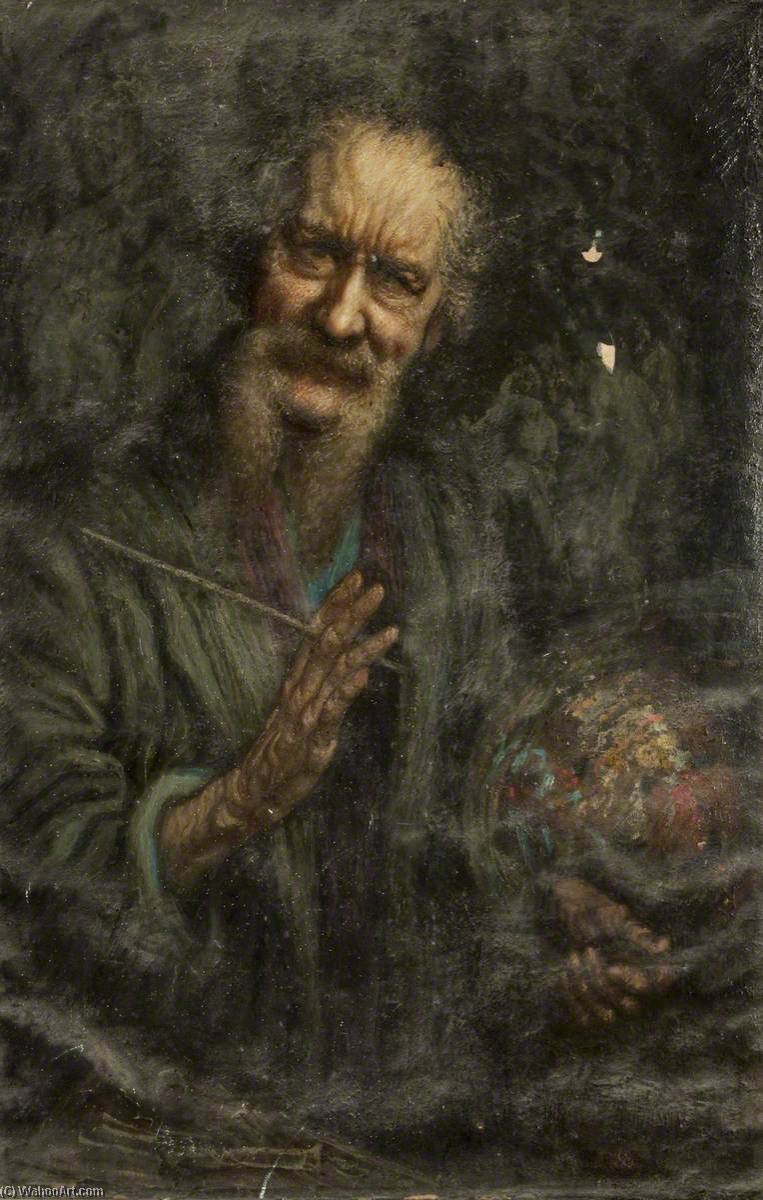
Thomas Arthur Bridson tarafından bırakılan tüm orijinal eserler arasında, en ünlüsü Douglas, Manx Museum koleksiyonunda yer alan Nude Figures adlı eserdir. Hemen ardından Portrait of an Unknown Man ve John Joseph Kneen (1873–1938) (1937) geliyor. Kataloğumuz Thomas Arthur Bridson tarafından yapılmış 16 eser barındırmaktadır; galeri, her biri tarihi, müzesi ve hikayesiyle birlikte sergilenen, dünyanın en çok hayranlık duyduğu 16 eseri muhafaza etmektedir.




Bu sayfadaki tabloların en büyük kısmına ev sahipliği yapan müze.
| Müze | Şehir | Thomas Arthur Bridson Eserleri | Bu listedeki tablolar |
|---|---|---|---|
 Manx Museum |
Douglas | 16 | Nude Figures, Portrait of an Unknown Man, John Joseph Kneen (1873–1938) |
Seçki, 1937 ile 1950 yılları arasındaki 14 yıllık süreçte Thomas Arthur Bridson eserlerini, her yılın en seçkin orijinallerini koruyarak takip etmektedir.
Orijinallerini görmek için bir yıl seçin.
Nude Figures, Manx Museum, Douglas. Ardından Portrait of an Unknown Man ve John Joseph Kneen (1873–1938) (1937) geliyor.
Nude Figures, Portrait of an Unknown Man, John Joseph Kneen (1873–1938), 'The Oldest Argument in the World', Three Nude Figures, Self Portrait, Miss Cushag (recto), Madame Butterfly, Female Nude Figure ve Cattle. Yukarıdaki sıralama, her birinin yapım yılını ve bulunduğu müzeyi göstermektedir.
Kataloğumuzda Thomas Arthur Bridson tarafından 1937 ile 1950 tarihleri arasında üretilmiş 16 eser bulunmaktadır.
Çoğunlukla Manx Museum (Douglas) bünyesinde yer almaktadır. Yukarıdaki müze tablosu tümünü listelemektedir.
Bu sayfadaki en eski eser John Joseph Kneen (1873–1938) (1937), en yeni eser ise 'The Oldest Argument in the World' (1950)'dir.
Nude Figures, Portrait of an Unknown Man ve John Joseph Kneen (1873–1938): Manx Museum, Douglas, bu sayfadaki eserlerden 16 tanesine ev sahipliği yapmaktadır.
Born on the Isle of Man in 1860, Thomas Arthur Bridson’s artistic journey was one shaped by a profound connection to his homeland and an enduring fascination with the human form. His early life, spent amidst the rolling hills and quiet landscapes of Arbory, instilled within him a deep appreciation for the natural world – a sentiment that would profoundly influence his later work. Unlike many artists of his era who sought formal training in established institutions, Bridson largely honed his skills through self-study and observation, a path that ultimately contributed to the distinctive atmospheric quality characteristic of his paintings.
Bridson’s formative years were marked by an apprenticeship with Robert Swinnerton, a clockmaker and jeweler in Douglas. This initial foray into craftsmanship provided him with valuable technical skills, particularly in etching, which would later become a significant component of his artistic practice. However, it was the burgeoning art scene of Paris that truly ignited his creative spirit. During this period, he immersed himself in the works of Impressionist masters like Monet and Renoir, absorbing their techniques for capturing light and fleeting moments. This exposure proved transformative, shaping his approach to color, composition, and the very essence of portraying atmosphere.
Returning to the Isle of Man in 1889, Bridson established himself as a portrait artist, quickly gaining recognition for his ability to capture not just likeness but also the inner character of his subjects. His portraits are distinguished by their subtle emotional depth and an almost dreamlike quality—a hallmark of his unique style. Unlike many of his contemporaries who favored idealized representations, Bridson often depicted his sitters with a sense of vulnerability and quiet contemplation. He eschewed dramatic poses and theatrical lighting in favor of understated compositions that allowed the subject’s personality to emerge organically.
Bridson's technique involved layering thin washes of oil paint to build up color gradually, creating a luminous effect reminiscent of atmospheric perspective. His use of muted tones—particularly blues, greens, and browns—contributed significantly to the sense of depth and mood in his paintings. He was particularly adept at capturing the play of light on surfaces, imbuing his portraits with an almost tactile quality. His work reflects a deliberate choice to prioritize feeling over precise detail, resulting in images that resonate with viewers long after they’ve been viewed.
While portraiture constituted the core of Bridson's artistic output, he also produced a significant body of work depicting nude figures and landscapes. These works demonstrate his continued exploration of form and atmosphere, albeit in different contexts. His nudes are not overtly sensual but rather convey a sense of quiet contemplation and connection to nature. He often depicted them in natural settings—fields, meadows, or rocky outcrops—further emphasizing the harmony between humanity and the environment.
His landscapes, too, were characterized by their atmospheric quality. Rather than striving for photographic realism, Bridson sought to capture the essence of a place—its mood, its light, its spirit. These paintings are imbued with a sense of melancholy and nostalgia, reflecting perhaps his own experiences of displacement and longing. The influence of Japanese landscape painting is subtly evident in his compositions, particularly in their use of negative space and emphasis on suggestion rather than explicit detail.
Thomas Arthur Bridson lived a remarkably long life, passing away in 1966 at the age of 106. Throughout his extended career, he remained a dedicated artist, continually refining his technique and exploring new themes. His work was exhibited sporadically throughout his life, but it wasn’t until decades after his death that Bridson's unique style began to receive wider recognition. Today, his paintings are prized for their atmospheric quality, emotional depth, and subtle beauty—testaments to the enduring power of a truly original artist.
Bridson’s contribution lies not in grand pronouncements or revolutionary techniques, but rather in his quiet dedication to capturing the essence of human experience and the evocative spirit of the natural world. He left behind a body of work that continues to resonate with viewers who appreciate the subtle beauty of atmospheric painting and the profound insights offered by a life lived fully and authentically.


