


1

Kasım 2026 tarihinde güncellendi · popülerlik puanımıza göre sıralanmıştır (her bir eser için aramalar, ziyaretler ve siparişler) · 40 eser Samuel Lane kataloğumuzda
Özetle
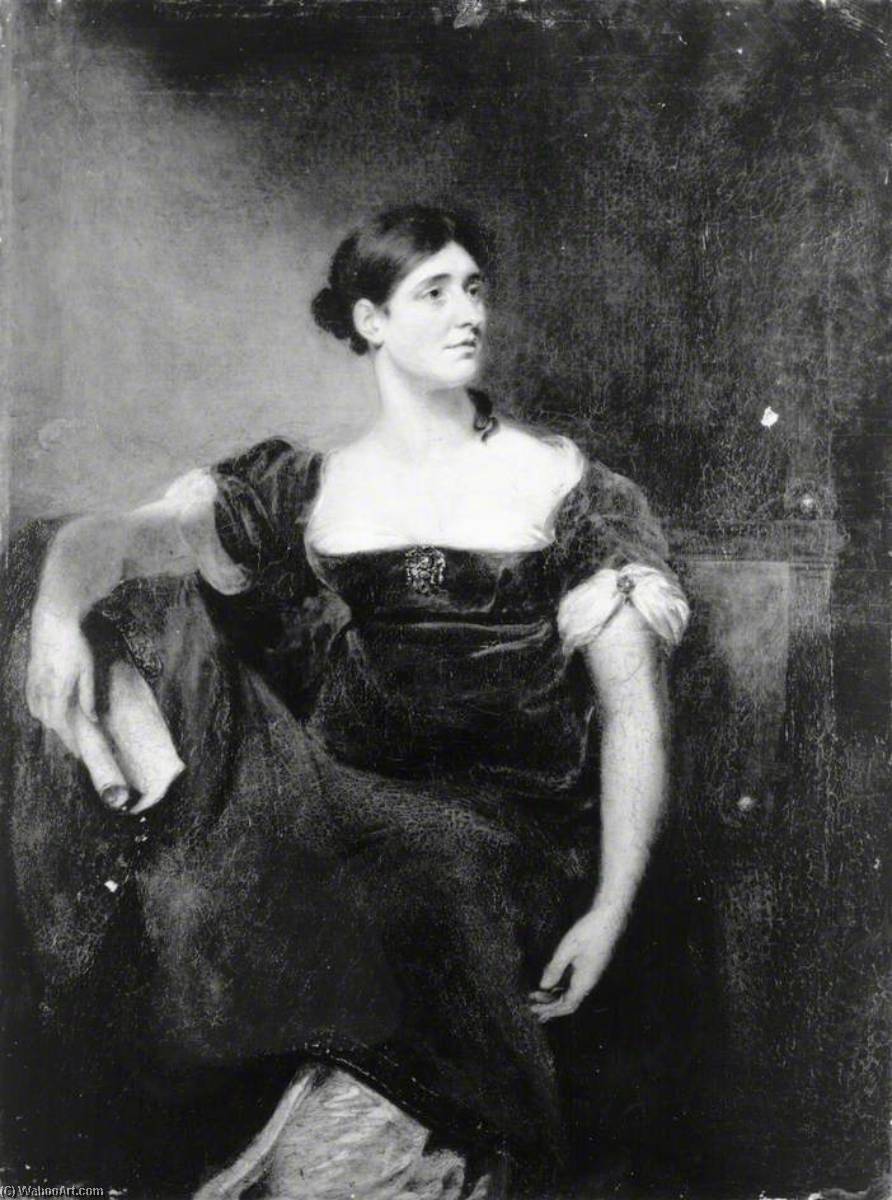
Galerinin gözünde, Samuel Lane'in en ünlü tablosu, aslı Londra, Dulwich Picture Gallery içinde sergilenen Mrs Sarah Bartley (1783–1850) (1820)'dir. Lord George Cavendish Bentinck (1836) ve King George III (1738–1820) (after Joshua Reynolds) (1804), her gözün hemen fark edeceği o üçlüyü tamamlıyor. Katalogumuzdaki Samuel Lane imzalı 40 eser arasından galerimiz, her biri yapıldığı yıl, sergilendiği müze ve onu eşsiz kılan özellikleriyle birlikte en ünlü 40 eseri aşağıda sunmaktadır.


 Queen Caroline (1768–1821), Princess Caroline Amelia Elizabeth, Daughter of Charles, Duke of Brunswick Wolfenbüttel, Queen of George IV1820
12
 Henry Francis, Mayor of Norwich (1824)1827
13
 Alfred Ogle Hansard (1817–after 1841), RN1830 · National Trust
14
 Richard James Hansard (b.1821), as a Child1828 · National Trust
15
 George Birkbeck (1776–1841)1830 · Birkbeck
16
 John Rickman1831
17
 Robert Southey, Commoner (1792), Poet Laureate (1813)1824 · Balliol College
18
 Thomas William Coke (1822–1909), Later 2nd Earl of Leicester, KG, and His Brother the Honourable Edward Keppel Coke (1824–1889)1830 · National Trust
19
 Sir John Malcolm (1769–1833), Indian Administrator and Diplomat1826 · İskoç Ulusal Portre Galerisi
20
 William IV (1765–1837)1834
21
 Lord George Bentinck (1802–1848), MP for King's Lynn (1828)1834
22
 Admiral Sir Pulteney Malcolm (1768–1838), Sailor1835 · İskoç Ulusal Portre Galerisi
23
 Edward Frere1835
24
 Arthur Hughes at the Age of Four1836
25
 Sir Charles Mansfield Clarke (1782–1857), Bt1832
26
 Alderman Anthony Brown1844 · Guildhall Art Gallery
27
 George Murray1849 · National Portrait Gallery
28
 Captain H. B. Murray, as a Youth1859
29
 Thomas Clarkson (1760–1846), Anti Slavery Campaigner
30
 Luke Hansard
31William Swatman1820
32
 John Prescott Blencowe, Mayor (1825)
33
 Luke Groves HansardUniversity of Southampton
34
 Luke HansardUniversity of Southampton
35
 The Reverend Robert E. Hankinson
36
 Henry Self
37
 Elizabeth Hobbes, Wife of Luke Groves HansardUniversity of Southampton
38
 Elizabeth Swatman
39
 Horatio Nelson (1758–1805)
40
 William Swatman, Mayor (1813)
Bu sayfadaki tabloların çoğuna ev sahipliği yapan 8 müze.
| Müzeler | Şehir | Samuel Lane Eserleri | Bu listedeki tablolar |
|---|---|---|---|
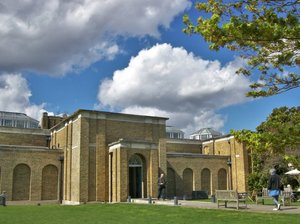 Dulwich Picture Gallery |
Londra | 3 | Mrs Sarah Bartley (1783–1850), Frederick Lane (1788–1846), George Bartley (c.1782–1858) |
 University of Southampton |
Southampton | 3 | Luke Groves Hansard, Luke Hansard, Elizabeth Hobbes, Wife of Luke Groves Hansard |
 National Portrait Gallery |
Londra | 2 | Lord George Cavendish Bentinck, George Murray |
 National Trust |
Newton Abbot | 2 | Alfred Ogle Hansard (1817–after 1841), RN, Richard James Hansard (b.1821), as a Child |
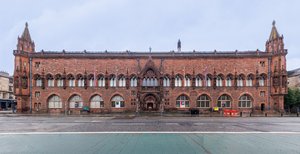 İskoç Ulusal Portre Galerisi |
Edinburgh | 2 | Sir John Malcolm (1769–1833), Indian Administrator and Diplomat, Admiral Sir Pulteney Malcolm (1768–1838), Sailor |
 Royal Collection |
Londra | 1 | Horatio, Lord Nelson (1758–1805) (after John Hoppner) |
 Royal Society |
Londra | 1 | George Manby (1765–1854) |
 Nationalmuseum |
Stockholm | 1 | Thomas William Coke (1752–1842), 1st Earl of Leicester |
O dönemi tanımlayan orijinal eseri görmek için bir on yıl seçin.
Mrs Sarah Bartley (1783–1850) (1820), Dulwich Picture Gallery, Londra. Ardından Lord George Cavendish Bentinck (1836) ve King George III (1738–1820) (after Joshua Reynolds) (1804) geliyor.
40 yaşında: Mrs Sarah Bartley (1783–1850) 1820 yılına aittir ve Samuel Lane 1780 yılında doğmuştur.
Mrs Sarah Bartley (1783–1850), Lord George Cavendish Bentinck, King George III (1738–1820) (after Joshua Reynolds), Horatio, Lord Nelson (1758–1805) (after John Hoppner), George Manby (1765–1854), Frederick Lane (1788–1846), Richard Ramsden (c.1762–c.1818), DD, Fellow and Senior Dean, Thomas William Coke (1752–1842), 1st Earl of Leicester, George Bartley (c.1782–1858) ve Admiral Sir Edward Thornborough (1754–1834). Yukarıdaki sıralama, her birinin yapım yılını ve bulunduğu müzeyi göstermektedir.
Kataloğumuzda Samuel Lane tarafından 1804 ile 1859 tarihleri arasında üretilmiş 40 eser bulunmaktadır.
Çoğunlukla Dulwich Picture Gallery (Londra), University of Southampton (Southampton) ve National Portrait Gallery (Londra) bünyesinde yer almaktadır. Yukarıdaki müze tablosu tümünü listelemektedir.
1830s döneminde: Bu sayfadaki 40 eserin 11 tanesi o dönemde yapılmıştır, bunların Lord George Cavendish Bentinck tanesi ise Lord George Cavendish Bentinck arasındadır.
Bu sayfadaki en eski eser King George III (1738–1820) (after Joshua Reynolds) (1804), en yeni eser ise Captain H. B. Murray, as a Youth (1859)'dir.
Mrs Sarah Bartley (1783–1850), Frederick Lane (1788–1846) ve George Bartley (c.1782–1858): Dulwich Picture Gallery, Londra, bu sayfadaki eserlerden 3 tanesine ev sahipliği yapmaktadır.
In the annals of Victorian portraiture, few stories are as poignant or as profoundly shaped by personal adversity as that of Samuel Lane. Born in King’s Lynn on July 26, 1780, Lane’s journey into the world of fine art was marked by a transformative childhood tragedy. A sudden accident during his early years left him profoundly deaf, a condition that would fundamentally alter his sensory experience of the world. Yet, rather than retreating from society, this silence became the crucible in which his artistic vision was forged. Deprived of the nuances of spoken language, Lane developed an acute sensitivity to the visual realm, turning his gaze toward the subtle shifts in light, the intricate textures of fabric, and the unspoken emotions etched upon the human face.
His path to mastery was paved through rigorous discipline and the guidance of some of the most illustrious figures of the era. After honing his foundational skills, Lane sought formal training at the Royal Academy Schools, where he eventually came under the mentorship of the legendary Sir Thomas Lawrence. This relationship was much more than a mere apprenticeship; it was a profound intellectual and professional symbiosis. Working as an assistant in Lawrence’s studio, Lane absorbed the techniques of one of Britain's greatest portraitists, yet he emerged with a stylistic identity that was uniquely his own. While Lawrence often leaned toward the grand and the idealized, Lane developed a reputation for truthful likenesses—a commitment to capturing the unvarnished reality of his subjects.
The essence of Lane’s artistry lay in his ability to bridge the gap between the physical presence of a sitter and their internal psychological landscape. His work was characterized by an unflinching honesty that eschewed the superficiality of mere decoration. Whether he was documenting the dignified features of the aristocracy or the quiet intensity of civic leaders, Lane sought the soul beneath the surface. This dedication to realism allowed him to create portraits that felt remarkably alive, as if the subject might speak if only the viewer could bridge the silence he knew so well.
His technical prowess was evident in the meticulous way he handled various media and subjects:
Over a career spanning more than five decades, Samuel Lane was a constant and vital contributor to the Royal Academy, exhibiting an astonishing 217 works throughout his lifetime. His prolific output ensured that his influence permeated the social fabric of the era, as he became the preferred chronicler for many of the most influential individuals in England. From the bustling artistic hubs of London’s Soho to his eventual retirement in Ipswich, Lane’s presence was felt across the landscape of British art.
The historical significance of Samuel Lane extends beyond the mere accumulation of portraits. He represents a pivotal moment in the evolution of portraiture, where the transition from the romanticized ideals of the late 18th century toward the more grounded, observational realism of the Victorian age was most clearly articulated. By prioritizing the truthful likeness over the idealized myth, Lane helped set a standard for authenticity that would inspire generations of painters to follow. Today, his works remain cherished treasures in prestigious collections, including the National Portrait Gallery, serving as enduring testaments to a man who found his greatest voice in the profound silence of his own life.

