


1


Kasım 2026 tarihinde güncellendi · popülerlik puanımıza göre sıralanmıştır (her bir eser için aramalar, ziyaretler ve siparişler) · 59 eser Robert Gwathmey kataloğumuzda
Özetle
The Farmer Wanted a Boy (1942), en çok ilgi çeken Robert Gwathmey tablosudur; orijinali Chicago, Şikago Sanat Enstitüsü bünyesinde bulunmaktadır. Ardından göz, Portrait of a Farmer's Wife (1951) ve Parade (1951) üzerine yoğunlaşır. Kataloğumuzdaki Robert Gwathmey imzalı 59 eser arasından seçilen bu 56 eser; yapıldığı yıl, sergilendiği müze ve zamana meydan okuma nedenleriyle birlikte sunulan en ünlü ve her biri eşsiz orijinal çalışmalardır.


The Parade painting by Robert Gwathmey is a remarkable piece of art that showcases the artist's unique style and technique. Created in 1951, this watercolour painting measures 53 x 36 cm and is currently housed at the Smithsonian American Art Museum in the United States. Artist Background Robert Gwathmey was an American artist known for his bold and expressive works of art. Born in 1903, he was a prominent figure…


 Untitled (853)
12
 Untitled (574)
13
 Untitled (791)
14
 Untitled (219)
15
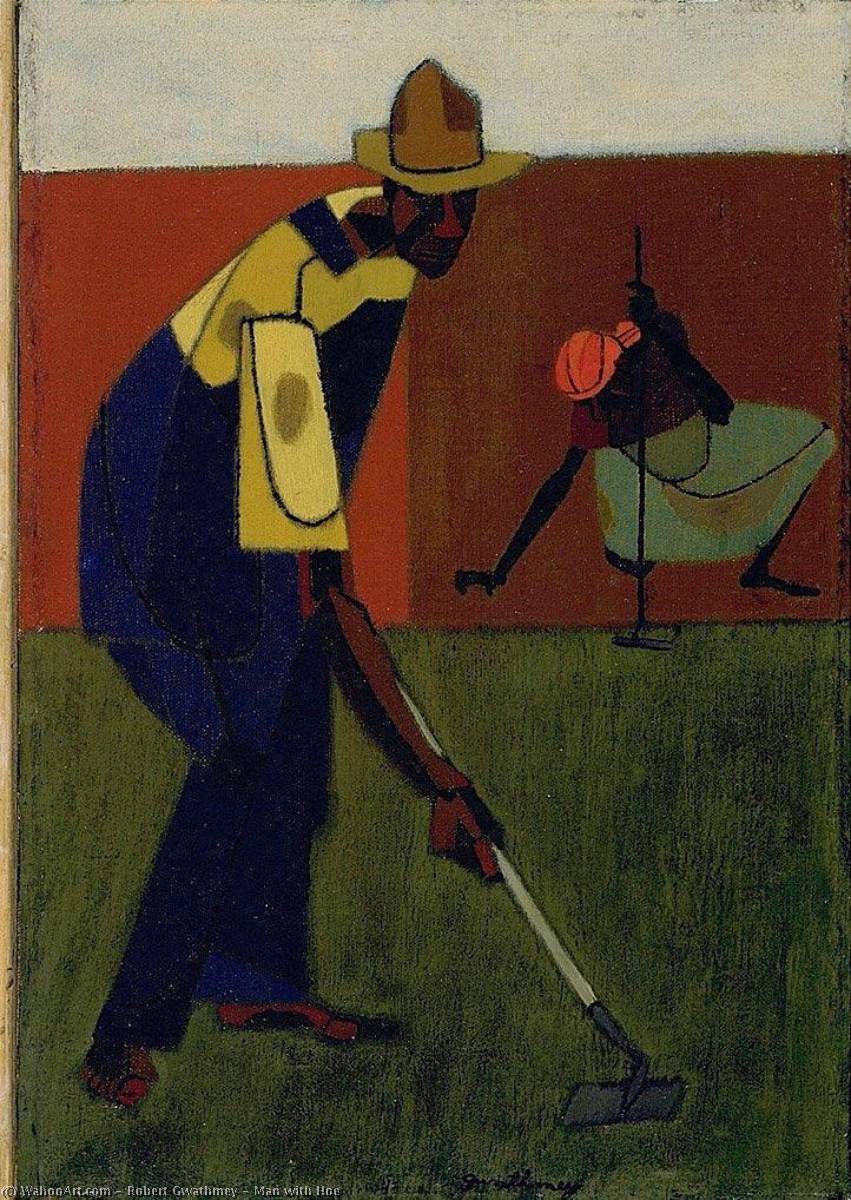
 Man with Hoe1944
16
 Singing and Mending1944
17
 Front Porch1947
18
 Poll Tax Country1945
19
 Sharecroppers and Blackberry Pickers1950
20
 Carrying the Sack1950
21
 Asleep at the Table1945 · Ogden Museum of Southern Art
22
 Untitled (813)
23
 Untitled (585)
24
 Untitled (196)
25
 Untitled (106)
26
 Untitled (721)
27
 Untitled (226)
28
 Untitled (193)
29
 Untitled (805)
30
 Untitled (561)
31
 Untitled (348)
32
 Untitled (491)
33
 Untitled (360)
34
 Untitled (416)
35
 Untitled (558)
36
 Untitled (285)
37
 Untitled (857)
38
 Untitled (207)
39
 Untitled (788)
40
 Untitled (724)
41
 Untitled (668)
42
 Untitled (655)
43
 Untitled (626)
44
 Untitled (735)
45
 Untitled (909)
46
 Untitled (968)
47
 Untitled (878)
48
 Untitled (106)
49
 Untitled (958)
50
 Untitled (857)
51
 Untitled (430)
52
 Untitled (750)
53
 Untitled (183)
54
 Untitled (229)
55
 Untitled (565)
56
 Going Home
Bu sayfadaki tabloların çoğuna ev sahipliği yapan 2 müze.
| Müze | Şehir | Robert Gwathmey Eserleri | Bu listedeki tablolar |
|---|---|---|---|
 Şikago Sanat Enstitüsü |
Chicago | 1 | The Farmer Wanted a Boy |
 Ogden Museum of Southern Art |
New Orleans | 1 | Asleep at the Table |
Robert Gwathmey'in burada sergilenen tarihli orijinal eserleri, 1942 ile 1951 arasındaki yaklaşık on yıllık bir döneme yayılmaktadır: göz, onları yıl yıl takip etmektedir.
Orijinallerini görmek için bir yıl seçin.


The Farmer Wanted a Boy (1942), Şikago Sanat Enstitüsü, Chicago. Ardından Portrait of a Farmer's Wife (1951) ve Parade (1951) geliyor.
39 yaşında: The Farmer Wanted a Boy 1942 yılına aittir ve Robert Gwathmey 1903 yılında doğmuştur.
The Farmer Wanted a Boy, Portrait of a Farmer's Wife, Parade, Untitled (504), Untitled (978), Untitled (811), Untitled (540), Untitled (830), Untitled (598) ve Untitled (389). Yukarıdaki sıralama, her birinin yapım yılını ve bulunduğu müzeyi göstermektedir.
Kataloğumuzda Robert Gwathmey tarafından 1942 ile 1951 tarihleri arasında üretilmiş 59 eser bulunmaktadır.
Çoğunlukla Şikago Sanat Enstitüsü (Chicago) ve Ogden Museum of Southern Art (New Orleans) bünyesinde yer almaktadır. Yukarıdaki müze tablosu tümünü listelemektedir.
1944 döneminde: Bu sayfadaki 56 eserin 2 tanesi o dönemde yapılmıştır, bunların Man with Hoe tanesi ise Man with Hoe arasındadır.
Bu sayfadaki en eski eser The Farmer Wanted a Boy (1942), en yeni eser ise Portrait of a Farmer's Wife (1951)'dir.
bu sayfadaki orijinallerine bakılırsa Social realism,