
1


Kasım 2026 tarihinde güncellendi · popülerlik puanımıza göre sıralanmıştır (her bir eser için aramalar, ziyaretler ve siparişler) · 24 eser Paul Brason kataloğumuzda
Özetle
Paul Brason tarafından bırakılan tüm orijinal eserler arasında en ünlüsü Philip William Bryce Lever (1915–2000), 3rd Viscount Leverhulme, KG adlı çalışmasıdır. Hemen ardından Professor Dorothy Wedderburn (1991) ve Gerald Grosvenor (b.1951), 6th Duke of Westminster (1995) geliyor. Kataloğumuz Paul Brason tarafından yapılmış 24 eser barındırmaktadır; galeri, her biri tarihi, müzesi ve hikayesiyle birlikte sergilenen, dünyanın en çok hayranlık duyduğu 24 eseri muhafaza etmektedir.


 Robert G. Beldam (1914–2003), CBE, Honorary Fellow (1995–2003)1995
12
 Canon Maurice Ridgway (1918–2002)1994
13
 David George Vaisey (b.1935)1996 · Bodleian Libraries
14
 Gerald Ball, Garage Proprietor1999 · Girton College
15
 Sir Keith Thomas (b.1933), President (1986–2000)2002
16
 Keith Gilbert Robbins (b.1940), Principal and Vice Chancellor of University of Wales Lampeter, St David's University College (1992–2003)2003
17
 Dr Michael Fopp, Director General of the Royal Air Force Museum2007
18
 Lord Wilson of Tillyorn2007 · Peterhouse
19
 Barry Everitt, Master of Downing College2007 · Paintings Owned by Colleges
20
 Professor Michael Mingos (b.1944), FRS, Principal (1999–2009)2007 · St Edmund Hall
21
 Alan and Grace Howard2010 · Paintings Owned by Colleges
22
 Professor Dame Jean Thomas2012 · st Catharine's College
23
 John Hood (b.1942)Bodleian Libraries
24
 Philip William Bryce Lever (1915–2000), 3rd Viscount Leverhulme, Chancellor of the University of Liverpool (1980–1993)
Bu orijinal eserlerde en sık karşılaşılan ve her biri en seçkin örneğine sahip olan dört konu.
#1 Philip William Bryce Lever (1915–2000), 3rd Viscount Leverhulme, KG
 #2 Professor Dorothy Wedderburn
 #8 Brian Robert Morris (1930–2001), Lord Morris of Castle Morris
#16 Keith Gilbert Robbins (b.1940), Principal and Vice Chancellor of University of Wales Lampeter, St David's University College (1992–2003)
Bu sayfadaki tabloların çoğuna ev sahipliği yapan 8 müze.
| Müze | Şehir | Paul Brason Eserleri | Bu listedeki tablolar |
|---|---|---|---|
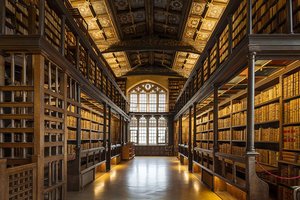 Bodleian Libraries |
Oxford | 2 | David George Vaisey (b.1935), John Hood (b.1942) |
 Paintings Owned by Colleges |
Cambridge | 2 | Barry Everitt, Master of Downing College, Alan and Grace Howard |
 Royal Holloway |
Egham | 1 | Professor Dorothy Wedderburn |
 Chester Town Hall |
Chester | 1 | Gerald Grosvenor (b.1951), 6th Duke of Westminster |
 Merton College |
Oxford | 1 | Dame Jessica Rawson, Warden |
 The University of Reading |
Reading | 1 | Ewan Page |
 Government Art Collection |
Londra | 1 | Brian Robert Morris (1930–2001), Lord Morris of Castle Morris |
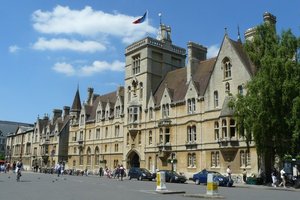 Balliol College |
Oxford | 1 | Baruch S. Blumberg |
O dönemi tanımlayan orijinal eseri görmek için bir on yıl seçin.
Philip William Bryce Lever (1915–2000), 3rd Viscount Leverhulme, KG. Ardından Professor Dorothy Wedderburn (1991) ve Gerald Grosvenor (b.1951), 6th Duke of Westminster (1995) geliyor.
Philip William Bryce Lever (1915–2000), 3rd Viscount Leverhulme, KG, Professor Dorothy Wedderburn, Gerald Grosvenor (b.1951), 6th Duke of Westminster, Dame Jessica Rawson, Warden, Brian Robert Morris (1930–2001) (triptych), Ewan Page, Brian Robert Morris (1930–2001), Baron Morris of Castle Morris, Principal of St David's University College (1980–1991), Brian Robert Morris (1930–2001), Lord Morris of Castle Morris, Sir Emmanuel Kaye ve Baruch S. Blumberg. Yukarıdaki sıralama, her birinin yapım yılını ve bulunduğu müzeyi göstermektedir.
Kataloğumuzda Paul Brason tarafından 1990 ile 2012 tarihleri arasında üretilmiş 24 eser bulunmaktadır.
Çoğunlukla Bodleian Libraries (Oxford), Paintings Owned by Colleges (Cambridge) ve Royal Holloway (Egham) bünyesinde yer almaktadır. Yukarıdaki müze tablosu tümünü listelemektedir.
1990s döneminde: Bu sayfadaki 24 eserin 11 tanesi o dönemde yapılmıştır, bunların Professor Dorothy Wedderburn tanesi ise Professor Dorothy Wedderburn arasındadır.
Bu sayfadaki en eski eser Ewan Page (1990), en yeni eser ise Professor Dame Jean Thomas (2012)'dir.
Reflection (4), Portrait (3) ve Portraiture (3), bu sayfadaki 24 eser genelinde.
bu sayfadaki orijinallerine bakılırsa Contemporary realism,
David George Vaisey (b.1935) ve John Hood (b.1942): Bodleian Libraries, Oxford, bu sayfadaki eserlerden 2 tanesine ev sahipliği yapmaktadır.

