Joseph Ducreux portresi

En Ünlü 25 Joseph Ducreux Tablosu, Bir Galeri Seçkisi

Kasım 2026 tarihinde güncellendi · popülerlik puanımıza göre sıralanmıştır (her bir eser için aramalar, ziyaretler ve siparişler) · 25 eser Joseph Ducreux kataloğumuzda

Özetle

Joseph Ducreux tarafından bırakılan tüm orijinal eserler arasında, en ünlüsü Londra, National Gallery koleksiyonunda yer alan Portrait of a Man (1791) adlı eserdir. Hemen ardından Self-portrait, called the Surprise (1794) ve Selfportrait, called Le Silence (The Silence) (1794) geliyor. Kataloğumuz Joseph Ducreux tarafından yapılmış 25 eser barındırmaktadır; galeri, her biri tarihi, müzesi ve hikayesiyle birlikte sergilenen, dünyanın en çok hayranlık duyduğu 25 eseri muhafaza etmektedir.

1735 – 1802, Nancy En çok eser: Nationalmuseum

Joseph Ducreux tarafından yapılan en iyi 10 tablo: galerinin seçimi

1
Portrait of a Man (1791) tarafından Joseph Ducreux

Portrait of a Man

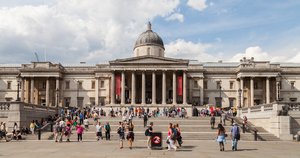
1791 · Oil On Canvas · National Gallery, Londra

A single light source carves the face of an elderly man from a dark, indistinct void. The illumination catches the ridge of a brow and the deep-set lines around the eyes, casting the other side of his features into soft, heavy shadow. He wears a dark, heavy coat over a white cravat, a sharp tonal contrast that anchors the composition. The skin is rendered with smooth brushwork, yet the texture…

2
Self-portrait, called the Surprise (1794) tarafından Joseph Ducreux

Self-portrait, called the Surprise

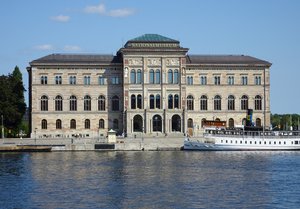
1794 · Oil · Nationalmuseum, Stockholm

In this 1794 oil portrait, we find ourselves in an intimate, almost intrusive encounter with the artist himself. The composition is a close-up, three-quarter view that pushes the subject toward the viewer, creating a sense of sudden, dynamic movement. There is a profound theatricality in the way the man is captured; he is caught in a state of intense shock, his eyes wide and his mouth agape in a gasp…

3
Selfportrait, called Le Silence (The Silence) (1794) tarafından Joseph Ducreux

Selfportrait, called Le Silence (The Silence)

1794 · Oil On Canvas · Nationalmuseum, Stockholm

Selfportrait, called Le Silence (The Silence) is a work by Joseph Ducreux (1735–1802). This oil on canvas painting represents a rare departure from the artist's formal courtly commissions. It belongs to a specific subset of his oeuvre: the physiognomic self-portraits. In these works, Ducreux moved away from traditional dignity to explore the expressive capacities of the human face.

4
Self-Portrait, Yawning (1783) tarafından Joseph Ducreux

Self-Portrait, Yawning

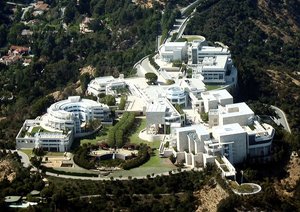
1783 · Oil On Canvas · J. Paul Getty Müzesi, Los Angeles

The oil painting titled Self-Portrait, Yawning was created by the French artist Joseph Ducreux. This work is dated to 1783. The artist, who lived from 1735 to 1802, produced this piece during a period of significant experimentation with facial expression and the study of physiognomy.

5
Portrait of a Man "Mocking" (1750) tarafından Joseph Ducreux

Portrait of a Man "Mocking"

1750 · Oil On Canvas · Musée d'Art et d'Histoire de Cholet, Cholet

Step closer and observe the sudden, startling movement in this oil portrait. We find ourselves in the presence of a man caught in a moment of theatricality, his body angled away while his head turns back toward us. It is a composition defined by tension and a sense of immediate, almost confrontational, presence. The subject wears a powdered wig and a dark tricorne-style hat, yet his demeanor is anything but…

6
Portrait of Marie Antoinette (1769) tarafından Joseph Ducreux

Portrait of Marie Antoinette

1769 · Oil On Canvas

The Portrait of Marie Antoinette by Joseph Ducreux captures Archduchess Maria Antonia of Austria, the woman who would later become Queen Marie Antoinette of France. This likeness emerged from a moment of significant transition in the 18th century. Around 1769, the artist Joseph Ducreux traveled to Vienna to paint a miniature of the Archduchess. This commission preceded her marriage to Louis XVI and fixed her image in the eyes of…

7
Elisabeth-Philippe-Marie-Hélène of France, known as Madame Elisabeth (1768) tarafından Joseph Ducreux

Elisabeth-Philippe-Marie-Hélène of France, known as Madame Elisabeth

1768 · Oil On Canvas · Opera House, Versay

A young girl sits poised against a dark, muted backdrop. The shadows swallow the space behind her, pushing her small, porcelain figure into the light. She wears a bonnet of soft curves and sleeves of intricate lace that catch the light in delicate, white threads. Her skin possesses the smooth, pale quality of fine china. In her arms, she cradles a small pug, its short, velvety fur a tactile contrast…

8
Nicole de Chedville, married Brequin (1769) tarafından Joseph Ducreux

Nicole de Chedville, married Brequin

1769 · Oil

The air in the portrait feels still, held in a quiet suspension that speaks of the refined grace of 1769. A woman, Nicole de Chedville, married Brequin, gazes out from the canvas, her eyes meeting the observer with a serene and steady presence. She is positioned in a bust-length view, turned slightly to her left, yet her attention remains fixed upon us. A soft, luminous light washes over her pale…

9
Presumed portrait of Madame Ducreux, the artist's mother (1770) tarafından Joseph Ducreux

Presumed portrait of Madame Ducreux, the artist's mother

1770 · Oil On Canvas · Carnavalet Müzesi, Paris

This formal 18th-century bust-length portrait, dating to 1770, presents an older woman positioned centrally against a background of warm, earthy tones. The subject faces slightly toward the viewer's left, her expression characterized by a serious and almost skeptical demeanor that lends a sense of gravitas to the composition. She is depicted wearing a deep black garment, which provides a sharp contrast to the vibrant teal and blue silk ribbons adorning…

10
Portrait of Bernard-Germain de Lacépède (1756-1825), Naturalist and Politician (1785) tarafından Joseph Ducreux

Portrait of Bernard-Germain de Lacépède (1756-1825), Naturalist and Politician

1785 · Oil On Canvas · Carnavalet Müzesi, Paris

The man emerges from a dark, indistinct void, caught in a soft, three-quarter turn. He is Bernard-Germain de Lacépède, a figure of quiet intellect. A powdered wig frames a face of pale, smooth skin, catching a light that descends from the upper left. His gaze is steady, directed toward an unseen point beyond the frame. In his hand, he holds a book, the paper edges crisp against the deep shadows…

Joseph Ducreux seçkisi devam ediyor, 11 ile 25 arası

Joseph Ducreux'in dönemlere göre ünlü tabloları

Joseph Ducreux'ın ilgisini çeken konular

Bu orijinal eserlerde en sık karşılaşılan ve her biri en seçkin örneğine sahip olan dört konu.

Joseph Ducreux'in orijinal eserlerinin sergilendiği müzeler

Bu sayfadaki tabloların çoğuna ev sahipliği yapan 8 müze.

Müzeler Şehir Joseph Ducreux Eserleri Bu listedeki tablolar
Nationalmuseum, StockholmNationalmuseum Stockholm 5 Self-portrait, called the Surprise, Selfportrait, called Le Silence (The Silence), Portrait of an unknown woman
Carnavalet Müzesi, ParisCarnavalet Müzesi Paris 2 Presumed portrait of Madame Ducreux, the artist's mother, Portrait of Bernard-Germain de Lacépède (1756-1825), Naturalist and Politician
National Gallery, LondraNational Gallery Londra 1 Portrait of a Man
J. Paul Getty Müzesi, Los AngelesJ. Paul Getty Müzesi Los Angeles 1 Self-Portrait, Yawning
Musée d'Art et d'Histoire de Cholet, CholetMusée d'Art et d'Histoire de Cholet Cholet 1 Portrait of a Man "Mocking"
Opera House, VersayOpera House Versay 1 Elisabeth-Philippe-Marie-Hélène of France, known as Madame Elisabeth
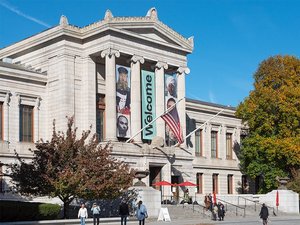
Museum of Fine Arts, BostonMuseum of Fine Arts Boston 1 Portrait of a Boy
Spencer Museum of Art, Douglas CountySpencer Museum of Art Douglas County 1 Le Discret

on yıl on yıl Joseph Ducreux: her dönemi tanımlayan orijinal eserler

On yıllara göre eserler

O dönemi tanımlayan orijinal eseri görmek için bir on yıl seçin.

Koleksiyonerlerin Joseph Ducreux'in tabloları hakkındaki soruları

Joseph Ducreux en çok hangi eseriyle tanınır?Cevabı göster

Portrait of a Man (1791), National Gallery, Londra. Ardından Self-portrait, called the Surprise (1794) ve Selfportrait, called Le Silence (The Silence) (1794) geliyor.

Portrait of a Man yapıldığında Joseph Ducreux kaç yaşındaydı?Cevabı göster

56 yaşında: Portrait of a Man 1791 yılına aittir ve Joseph Ducreux 1735 yılında doğmuştur.

En ünlü on Joseph Ducreux tablosu hangileridir?Cevabı göster

Portrait of a Man, Self-portrait, called the Surprise, Selfportrait, called Le Silence (The Silence), Self-Portrait, Yawning, Portrait of a Man "Mocking", Portrait of Marie Antoinette, Elisabeth-Philippe-Marie-Hélène of France, known as Madame Elisabeth, Nicole de Chedville, married Brequin, Presumed portrait of Madame Ducreux, the artist's mother ve Portrait of Bernard-Germain de Lacépède (1756-1825), Naturalist and Politician. Yukarıdaki sıralama, her birinin yapım yılını ve bulunduğu müzeyi göstermektedir.

Joseph Ducreux kaç tablo bıraktı?Cevabı göster

Kataloğumuzda Joseph Ducreux tarafından 1750 ile 1795 tarihleri arasında üretilmiş 25 eser bulunmaktadır.

Joseph Ducreux'in şaheserleri hangi müzelerde sergileniyor?Cevabı göster

Çoğunlukla Nationalmuseum (Stockholm), Carnavalet Müzesi (Paris) ve National Gallery (Londra) bünyesinde yer almaktadır. Yukarıdaki müze tablosu tümünü listelemektedir.

Joseph Ducreux en ünlü eserlerini hangi yıllarda yaptı?Cevabı göster

1790s döneminde: Bu sayfadaki 25 eserin 9 tanesi o dönemde yapılmıştır, bunların Portrait of a Man tanesi ise Portrait of a Man arasındadır.

Joseph Ducreux sanatçısının ilk ve son ünlü orijinal eserleri nelerdir?Cevabı göster

Bu sayfadaki en eski eser Portrait of a Man "Mocking" (1750), en yeni eser ise Portrait of a Boy (1795)'dir.

Joseph Ducreux en çok hangi konuları seçti?Cevabı göster

Man (14), Dark background (7) ve Woman (6), bu sayfadaki 25 eser genelinde.

Joseph Ducreux en çok hangi tekniği kullandı?Cevabı göster

Bu sayfadaki 25 eserin 18 tanesi Oil On Canvas türündedir.

Nationalmuseum bünyesinde hangi Joseph Ducreux eserleri sergilenmektedir?Cevabı göster

Self-portrait, called the Surprise, Selfportrait, called Le Silence (The Silence) ve Portrait of an unknown woman: Nationalmuseum, Stockholm, bu sayfadaki eserlerden 5 tanesine ev sahipliği yapmaktadır.

Joseph Ducreux: yaşamı ve eserleri

Bir Saraylı Zekâ: Joseph Ducreux'nun Hayatı ve Sanatı

Joseph Ducreux, belki de sanat tarihi çevreleri dışında pek çok kişi için yabancı bir isim olsa da, 18. yüzyıl sonu Fransız sanatsal manzarasında büyüleyici bir niş kaplar. 1735 yılında Nancy'de doğan onun, ressam babasının atölyesinden başlayıp *premier peintre de la reine* – Kraliçe Marie Antoinette'in Birinci Ressamı – olma yolculuğu hem yeteneğin hem de doğru zamanlamanın bir kanıtıdır. Polonya'nın sürgündeki Kralı Stanisław Leszczyński'ye hizmet eden Charles Ducreux'nun oğlu olan Joseph'in ilk sanatsal eğitimi, saray portrelemesi gelenekleriyle yoğrulmuştu. Ancak, 1760 civarında Paris'e taşınması yaratıcı gelişimini gerçekten ateşleyen şey oldu. Orada, pastel ustası ve aristokrat topluluğun hassas tasvirleriyle tanınan Maurice Quentin de La Tour'un himayesine girdi. Bu mentorluk dönüm noktasıydı; Ducreux'ya narin bir dokunuş ve pastel tekniklerine olağanüstü bir hakimiyet kazandırdı – bu beceriler başlangıçta sanatsal tarzını tanımlayacaktı. Ayrıca, Jean-Baptiste Greuze'ün etkisiyle de faydalandı; onun uzmanlığı Ducreux'nun yağlı boya yeteneklerini rafine etmesine yardımcı oldu.

Kraliyet Lütfu ve Sanatsal İnovasyon

Ducreux'nun Fransız sarayındaki yükselişi dikkate değer derecede hızlıydı. Dönüm noktası, 1769'da, Variz Prenses Marie Antoinette'in Louis XVI ile evlenmesinden önce bir portresini yapma görevi almasıyla geldi. Dikkat çekici olan nokta, bu prestijli görevi daha köklü sanatçılar arasından, büyük ölçüde daha uygun fiyat teklif etme isteği sayesinde kazanmasıydı. Bu ilk başarı kapıları açtı ve kısa süre sonra Ducreux, henüz son derece seçkin Kraliyet Resim ve Heykel Akademisi üyesi olmamasına rağmen *premier peintre de la reine* olarak atandı; bu olağanüstü bir başarıydı. Bu atama, geleneksel olarak böyle pozisyonları üyelerine saklayan Akademi içinde huzursuzluk yarattı, ancak kraliyet lütfu güçlü bir güç olduğunu kanıtladı. Akademisi ile olan bu karmaşık ilişkiyi yönetmeye devam etti ve hem saray beklentilerini hem de kendi filizlenen sanatsal vizyonunu tatmin eden portreler üretti. Fransız Devrimi'nin çalkantılı yıllarında, Ducreux hatta Londra'ya seyahat ederek, trajik idamından önceki Kral Louis XVI'nin bilinen son portresini yarattı – solan bir çağın dokunaklı kaydı.

Benzerliğin Ötesinde: Fizyonomi ve Öz İfade

Geleneksel portrelemede yetkin olmasına rağmen, Joseph Ducreux bugün en çok alışılmadık öz portreleriyle anılır. Öncelikle 1780'ler ve 1790'larda yaratılan bu eserler, dönemin resmi kurallarından radikal bir sapmayı temsil eder. Kendini asil bir sükûnetle sunmak yerine, Ducreux kendini sınırsız duygusal anlarda tasvir etmeye cesaret etti – genişçe esnerken, kahkahalara boğulurken veya kasıtlı olarak komik yüzler yaparken. Bu uçucu ifadeleri yakalama merakı, artık itibarsızlaşmış bir inanç olan fizyonomiye olan ilgisinden kaynaklanıyordu; bu inanç, yüz özelliklerinin karakteri ve iç eğilimi ortaya çıkardığı fikriydi. O sadece *benzerlikle* ilgilenmiyordu; kişiliği, ruh halini ve hatta oyunbaz bir öz farkındalık duygusunu yansıtmayı amaçlıyordu. Bu öz portreler, portrenin varoluşsal kavramına meydan okuyarak türe mizah, spontane bir hava ve benzeri görülmemiş bir bireysellik katıyordu. Bazı akademisyenler Ducreux'nun ifadeci portreleri ile Hollanda Altın Çağı ressamlarının tercih ettiği *tronies* – karakter çalışmaları – arasında paralellikler kuruyor; bu da insan psikolojisini sanatsal temsil yoluyla keşfeden daha geniş bir Avrupa geleneğine işaret ediyor.

Kalıcı Bir Miras: Salonlardan İnternet Mem'lerine

Fransız Devrimi'nden sonra Ducreux, Jacques-Louis David'den aldığı destekle kariyerine devam etti ve evi sanatçılar ile müzisyenler için bir buluşma noktası haline geldi. Sanatçı bir aileden geliyordu; oğlu Jules trajik bir şekilde savaşta ölen bir ressam ve piyade kaptanıyken, kızları Rose-Adélaïde ve Antoinette-Clémence de sanatsal kariyerlere yöneldi. Ducreux, 1802'de vefat etti ve geride bıraktığı eserler koleksiyonerler tarafından nesiller boyu takdir edilse de, 21. yüzyılda beklenmedik bir yeniden canlanma yaşadı. Öz portresi *Portrait de l'artiste sous les traits d’un moqueur* (Bir Taklitçinin Görünümü) viral bir internet mem'sine dönüştü; genellikle esprili başlıklar oluşturmak için ağdalı ve arkaik dil ile eşleştiriliyordu. Bu beklenmedik olay, Ducreux'nun eserlerini yeni bir kitleye tanıttı ve onun oyunbaz ruhunun ve ifadeci sanatının kalıcı çekiciliğini gösterdi.

Başlıca Eserler ve Tarihsel Önemi

Ducreux'nun eser külliyatı çeşitli portreleri kapsasa da, bazı eserler özellikle dikkat çekici nitelikte. Evlenmesinden önce sipariş edilen Marie Antoinette Portresi (1769), erken başarısının ve kraliyet himayesinin kilit bir örneği olmaya devam ediyor. Şu anda özel bir koleksiyonda bulunan Esneyen Öz Portre (yaklaşık 1783), öz temsiline yönelik alışılmadık yaklaşımını sergiliyor. Ancak, Louvre Müzesi'nde yer alan Bir Taklitçinin Görünümü Öz Portresi (yaklaşık 1793), modern hayal gücünü yakalamış ve Ducreux'nun popüler kültürdeki yerini sağlamlaştırmıştır. Diğer dikkat çekici eserler arasında, ince ifade yoluyla kişiliği yakalama becerisini sergileyen Le Discret (yaklaşık 1790) ve *Les Liaisons dangereuses* yazarının portresi olan Pierre Choderlos de Laclos bulunmaktadır. Joseph Ducreux'nun eseri, portre tarihinde kritik bir geçişi temsil eder; katı formaliteden daha fazla ifadeciliğe ve bireyselliğe doğru bir hareketlilik gösterir. Öz portreleri sadece sanatsal alıştırmalar değildir; onlar modern öz-temsil kavramlarının öncülleridir ve sanatın geleneklere meydan okuma ve insan ruhunun karmaşıklıklarını ortaya çıkarma gücünün bir kanıtıdır.