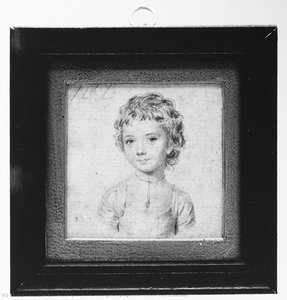
John Smart portresi

En Ünlü 43 John Smart Tablosu, Bir Galeri Seçkisi

Kasım 2026 tarihinde güncellendi · popülerlik puanımıza göre sıralanmıştır (her bir eser için aramalar, ziyaretler ve siparişler) · 40 eser John Smart kataloğumuzda

Özetle

John Smart tarafından bırakılan tüm orijinal eserler arasında, en ünlüsü New York, Metropolitan Sanat Müzesi koleksiyonunda yer alan Sir William Hood (1766) adlı eserdir. Hemen ardından Baron Gustaf Adam von Nolcken (1775) ve Portrait of a Gentleman (1766) geliyor. Kataloğumuz John Smart tarafından yapılmış 40 eser barındırmaktadır; galeri, her biri tarihi, müzesi ve hikayesiyle birlikte sergilenen, dünyanın en çok hayranlık duyduğu 43 eseri muhafaza etmektedir.

1741 – 1811, Norfolk Neoclassicism En çok eser: Yale Center for British Art

John Smart tarafından yapılan en iyi 10 tablo: galerinin seçimi

1
Sir William Hood (1766) tarafından John Smart

Sir William Hood

1766 · Ivory · Metropolitan Sanat Müzesi, New York

The portrait titled Sir William Hood is a work by the British artist John Smart. Born in Norfolk, Smart captured this sitter in a moment of quiet, aristocratic poise. The image presents a man of status, his presence defined by the sharp contrast of a white cravat against a deep crimson waistcoat. It is a study of a single life held within a small, oval frame.

2
Baron Gustaf Adam von Nolcken (1775) tarafından John Smart

Baron Gustaf Adam von Nolcken

1775 · Watercolor · Nationalmuseum, Stockholm

To hold this miniature is to hold a fragment of the Georgian era, a quiet encounter with Baron Gustaf Adam von Nolcken. Painted in 1775, the portrait captures the Swedish diplomat in a moment of composed dignity. He is presented in a three-quarter view, his gaze steady and his expression carrying the weight of his station. The subject is framed within an oval gold-toned locket, an intimate scale that demands…

3
Portrait of a Gentleman (1766) tarafından John Smart

Portrait of a Gentleman

1766 · Watercolor · Yale Center for British Art, New Haven

is a portrait miniature executed by the British artist John Smart. Dating to 1766, the work captures a single gentleman from the mid-18th century. It represents a period of significant technical development in the art of the miniature, focusing on the intimate scale of the individual subject.

4
Portrait of an Elderly Lady (1767) tarafından John Smart

Portrait of an Elderly Lady

1767 · Gouache · Yale Center for British Art, New Haven

In the Portrait of an Elderly Lady by John Smart, the subject is captured in a centered, bust-length view within a delicate oval format. The perspective is a direct, eye-level gaze that invites a sense of closeness. She sits against a neutral, olive-toned background, a quiet space that allows her presence to remain the singular focus. Her expression is serene and slightly pleasant, carrying a weight of quiet wisdom through…

5
Captain Marriott (1777) tarafından John Smart

Captain Marriott

1777 · Watercolor · Yale Center for British Art, New Haven

This 1777 portrait miniature, titled Captain Marriott, presents an intimate oval-shaped bust-length depiction of a young man in profile. Facing left, the subject is rendered with a calm and dignified expression that conveys a sense of quiet nobility or military poise. The composition is characterized by a vibrant, saturated red coat that stands in sharp contrast to the crisp white of his cravat and powdered hair. A soft, neutral greyish-brown…

6
Portrait of a Gentleman (1773) tarafından John Smart

Portrait of a Gentleman

1773 · Watercolor · Yale Center for British Art, New Haven

To hold this miniature is to encounter a moment of poised dignity from 1773. The subject, a young man captured in a three-quarter view, gazes out with a calm expression that suggests a life of composure. He is framed within an oval composition, a choice that focuses the viewer entirely on the subtle nuances of his features and the texture of his attire. There is an immediate sense of presence…

7
Robert, first Baron Clive of Plassey (1776) tarafından John Smart

Robert, first Baron Clive of Plassey

1776 · Gouache · Yale Center for British Art, New Haven

This portrait of Robert, first Baron Clive of Plassey, was executed by the artist John Smart in 1776. The work presents the subject as a middle-aged man positioned in a bust-length view. He is depicted wearing military attire, which includes a red jacket with deep blue lapels. Gold embroidery adorns the edges of the lapels. A white cravat and a powdered wig frame the face of the subject.

John Smart seçkisi devam ediyor, 11 ile 43 arası

John Smart'ın ilgisini çeken konular

Bu orijinal eserlerde en sık karşılaşılan ve her biri en seçkin örneğine sahip olan dört konu.

John Smart'in orijinal eserlerinin sergilendiği müzeler

Bu sayfadaki tabloların çoğuna ev sahipliği yapan 4 müze.

Müze Şehir John Smart Eserleri Bu listedeki tablolar
Yale Center for British Art, New HavenYale Center for British Art New Haven 10 Portrait of a Gentleman, Portrait of an Elderly Lady, Captain Marriott
Nationalmuseum, StockholmNationalmuseum Stockholm 8 Baron Gustaf Adam von Nolcken, John Smart Junior, the artists son, Lady Deering
Cleveland Museum of Art, ClevelandCleveland Museum of Art Cleveland 5 Portrait of Constantine Phipps, Portrait of Mrs. Nathaniel Bailey, née Lamack, Portrait of an Officer
Metropolitan Sanat Müzesi, New YorkMetropolitan Sanat Müzesi New York 4 Sir William Hood, Mrs. Comyns, Mrs. Caroline Deas

on yıl on yıl John Smart: her dönemi tanımlayan orijinal eserler

On yıllara göre eserler

O dönemi tanımlayan orijinal eseri görmek için bir on yıl seçin.

Koleksiyonerlerin John Smart'in tabloları hakkındaki soruları

John Smart en çok hangi eseriyle tanınır?Cevabı göster

Sir William Hood (1766), Metropolitan Sanat Müzesi, New York. Ardından Baron Gustaf Adam von Nolcken (1775) ve Portrait of a Gentleman (1766) geliyor.

Sir William Hood yapıldığında John Smart kaç yaşındaydı?Cevabı göster

25 yaşında: Sir William Hood 1766 yılına aittir ve John Smart 1741 yılında doğmuştur.

En ünlü on John Smart tablosu hangileridir?Cevabı göster

Sir William Hood, Baron Gustaf Adam von Nolcken, Portrait of a Gentleman, Portrait of an Elderly Lady, Captain Marriott, Portrait of a Gentleman, Robert, first Baron Clive of Plassey, John Smart Junior, the artists son, Portrait of Constantine Phipps ve Portrait of a Lady. Yukarıdaki sıralama, her birinin yapım yılını ve bulunduğu müzeyi göstermektedir.

John Smart kaç tablo bıraktı?Cevabı göster

Kataloğumuzda John Smart tarafından 1760 ile 1799 tarihleri arasında üretilmiş 40 eser bulunmaktadır.

John Smart'in şaheserleri hangi müzelerde sergileniyor?Cevabı göster

Çoğunlukla Yale Center for British Art (New Haven), Nationalmuseum (Stockholm) ve Cleveland Museum of Art (Cleveland) bünyesinde yer almaktadır. Yukarıdaki müze tablosu tümünü listelemektedir.

John Smart en ünlü eserlerini hangi yıllarda yaptı?Cevabı göster

1770s döneminde: Bu sayfadaki 43 eserin 9 tanesi o dönemde yapılmıştır, bunların Baron Gustaf Adam von Nolcken tanesi ise Baron Gustaf Adam von Nolcken arasındadır.

John Smart sanatçısının ilk ve son ünlü orijinal eserleri nelerdir?Cevabı göster

Bu sayfadaki en eski eser Mrs. Comyns (1760), en yeni eser ise Portrait of Lieutenant General Daniel Burr (1799)'dir.

John Smart en çok hangi konuları seçti?Cevabı göster

Man (6), White cravat (4) ve Red coat (3), bu sayfadaki 43 eser genelinde.

John Smart en çok hangi tekniği kullandı?Cevabı göster

Bu sayfadaki 43 eserin 4 tanesi Watercolor türündedir.

John Smart hangi sanat akımına ait?Cevabı göster

bu sayfadaki orijinallerine bakılırsa Neoclassicism,

Yale Center for British Art bünyesinde hangi John Smart eserleri sergilenmektedir?Cevabı göster

Portrait of a Gentleman, Portrait of an Elderly Lady ve Captain Marriott: Yale Center for British Art, New Haven, bu sayfadaki eserlerden 10 tanesine ev sahipliği yapmaktadır.

John Smart: yaşamı ve eserleri

A Legacy in Miniature

In the delicate, luminous world of eighteenth-century British portraiture, few names evoke the same sense of intimate precision as John Smart. A master of the miniature, Smart possessed the rare ability to compress the grandeur of the Georgian era into tiny, ivory canvases that felt as vast and profound as the souls they depicted. While his physical works were small enough to be held in the palm of a hand, the impact of his artistry was monumental, bridging the gap between the formal rigidity of classical portraiture and the burgeoning emotional depth of the Romantic movement.

Born in Norfolk, United Kingdom, Smart’s early life remains somewhat shrouded in the soft mists of history, yet the traces of his development reveal an artist deeply connected to the pulse of English art. His talent was evident from a young age; in 1755, he was recorded as a runner-up in a drawing competition for under-fourteens held by the Society for the Encouragement of Arts, Manufactures and Commerce. This early recognition led him to London, where he attended the drawing school of William Shipley alongside other notable contemporaries like Richard Cosway.

Technical Mastery and the Luminous Glow

To gaze upon a true John Smart miniature is to witness a masterclass in light and texture. His technique was nothing short of alchemy, often employing the grisaille method—a sophisticated process where a monochrome underpainting establishes the foundational shadows and structural tones. Upon this skeletal framework, he applied incredibly thin, translucent glazes of color. This layering allowed light to pass through the pigment and reflect off the white ivory base, creating an ethereal, inner glow that seemed to emanate from within the subject itself.

Unlike some of his contemporaries, such as Cosway, whose work often leaned toward a more flamboyant style, Smart’s approach was characterized by a quiet, grey-toned palette and subtle flesh tints. He possessed a profound knowledge of anatomy, ensuring that his portraits were drawn with greater anatomical accuracy than almost any other miniature painter of his era. His ability to use fine white lines over loose brushstrokes to suggest individual hairs or the delicate stippling of a face provided a degree of warmth and depth that was truly unique.

A Journey Through Art and Empire

Smart’s career was marked by both professional leadership and geographical exploration. He exhibited at the Society of Artists in London from 1762 onwards, eventually ascending to the position of president in 1778. His reach extended far beyond the borders of England; in 1788, he traveled to India, where he was based in Madras. During this period, he obtained numerous commissions, creating works that captured the essence of his subjects even while far from his London roots.

The historical significance of his work is preserved through remarkable collections, such as the Starr collection at the Nelson-Atkins Museum of Art, which includes a signed and dated miniature for nearly every year of his career. This chronological record allows scholars to witness the full progression of his style and the changing fashions of the period. Through his meticulous dedication to the art of the miniature, John Smart left behind a window into human truth, capturing the quiet, psychological nuances of the Georgian age.