Hans Wertinger portresi

Her Biri Benzersiz, En Ünlü 17 Hans Wertinger Tablosu

Ekim 2026 tarihinde güncellendi · popülerlik puanımıza göre sıralanmıştır (her bir eser için aramalar, ziyaretler ve siparişler) · 17 eser Hans Wertinger kataloğumuzda

Özetle

Christoph von Laiming in His 59th Year (1517), en çok ilgi çeken Hans Wertinger tablosudur; orijinali Londra, Victoria and Albert Museum bünyesinde bulunmaktadır. Ardından göz, The Court Jester known as "Knight Christoph" (1515) ve Portrait of William IV of Bavaria. (1526) üzerine yoğunlaşır. Kataloğumuzdaki Hans Wertinger imzalı 17 eser arasından seçilen bu 17 eser; yapıldığı yıl, sergilendiği müze ve zamana meydan okuma nedenleriyle birlikte sunulan en ünlü ve her biri eşsiz orijinal çalışmalardır.

1465 – 1533, Landshut Northern renaissance En çok eser: Bavarian State Painting Collections

Galerinin gözünden Hans Wertinger tarafından yapılan en iyi 10 tablo

1
Christoph von Laiming in His 59th Year (1517) tarafından Hans Wertinger

Christoph von Laiming in His 59th Year

1517 · Oil On Panel · Victoria and Albert Museum, Londra

Christoph von Laiming in His 59th Year, executed by Hans Wertinger in 1517, presents a formal likeness of a prominent figure from the Bavarian nobility. The sitter, Christoph von Laiming of Amerang (ca. 1460–1520), belonged to one of the region's oldest noble families. His position was defined by his service to the Wittelsbach dynasty; he acted as the principal servant and master of the household to Duke Ludwig X of…

2
The Court Jester known as "Knight Christoph" (1515) tarafından Hans Wertinger

The Court Jester known as "Knight Christoph"

1515 · Oil On Panel · Thyssen-Bornemisza Müzesi, Madrid

A man stands against a low stone wall, his body caught in a moment of poised tension. He is dressed in the heavy, structured finery of the early sixteenth century, wearing a doublet and hose that speak of high status and deliberate artifice. His cloak, lined with thick fur, falls in deep, weighted folds around his frame. He does not face the viewer directly; instead, he turns in a three-quarter…

3
Portrait of William IV of Bavaria. (1526) tarafından Hans Wertinger

Portrait of William IV of Bavaria.

1526 · Oil On Panel · Alte Pinakothek, Münih

The Portrait of William IV of Bavaria is a formal depiction of the Duke of Bavaria, rendered in 1526 by the German painter Hans Wertinger. This work captures the presence of William IV, a man whose status is anchored in the heavy textures of his courtly attire. The portrait functions as a visual record of the Wittelsbach dynasty's dignity during the early sixteenth century.

4
Portrait of Margrave Bernhard III von Baden (1499) tarafından Hans Wertinger

Portrait of Margrave Bernhard III von Baden

1499 · Oil On Panel · Bavarian State Painting Collections, Münih

In the Portrait of Margrave Bernhard III von Baden by Hans Wertinger, the sitter occupies the space in a half-length composition, positioned slightly off-center. He turns his body in a three-quarter view, facing toward the right of the frame as if caught in a moment of quiet contemplation. A dark cap rests upon his head, and a heavy, dark cloak, lined with thick and textured fur, wraps around his shoulders.…

5
Sick Alexander the Great and his Physician Philippos (1517) tarafından Hans Wertinger

Sick Alexander the Great and his Physician Philippos

1517 · Oil · National Gallery Prague, Prag

A heavy, crimson canopy hangs over the bed, casting a shadow across the pale skin of a dying king. Alexander lies amidst the weight of velvet and fur, his body surrendered to a fever that no conquest could conquer. The air in the room feels thick, crowded by the silent tension of those gathered in the dim light. Every fold of the drapery holds a deep, saturated red, a color…

6
Panel from a Series of Rural Scenes: Bathing and Slaughter (1520) tarafından Hans Wertinger

Panel from a Series of Rural Scenes: Bathing and Slaughter

1520 · Oil On Panel · Germanisches Nationalmuseum, Nürnberg

The composition is bisected by a stark, white architectural pillar, creating a sharp division between two modes of life. To the left, a sheltered, shadowed space houses a communal bathing scene. Figures gather around wooden tubs and benches, their forms rendered in muted skin tones and earthy browns. The atmosphere here is heavy and intimate, defined by the dim light of a timbered structure. To the right, the scene breaks…

7
Portrait of a Man (1530) tarafından Hans Wertinger

Portrait of a Man

1530 · Oil On Panel · Bonnefanten Müzesi, Maastricht

The man sits in a quiet, heavy stillness, his presence commanding the space through a gaze that feels both direct and distant. He is a figure of authority, draped in the opulent textures of the 1530s, his status whispered through the very fabric of his attire. A deep red doublet catches the light, its silk sleeves appearing smooth and cool to the touch, while a heavy brown fur mantle rests…

8
The Boar Hunt (1527) tarafından Hans Wertinger

The Boar Hunt

1527 · Oil On Panel · Brooklyn Museum, Brooklyn

In this oil on cradled panel, we find ourselves amidst a dense, wooded landscape where the quiet of the forest has been shattered by a sudden, violent encounter. The scene captures a contemporary boar hunt, a moment of high drama frozen in time. A wild boar lunges through the undergrowth, its dark, muscular form a stark contrast to the pale clothing of the hunters and the bright coats of their…

9
Portrait of the Count Palatine Johann III (1526) tarafından Hans Wertinger

Portrait of the Count Palatine Johann III

1526 · Oil On Panel · Bavarian State Painting Collections, Münih

The Portrait of the Count Palatine Johann III is a significant work by the German painter Hans Wertinger. Executed in 1526, this oil on panel portrait captures the likeness of Johann III of the Palatinate, who lived from 1488 to 1538. The subject is presented with a quiet, formal dignity that reflects his high social standing during the Northern Renaissance.

Hans Wertinger'in ünlü tabloları, 11. ile 17. arası

Hans Wertinger'ın ilgisini çeken konular

Bu orijinal eserlerde en sık karşılaşılan ve her biri en seçkin örneğine sahip olan dört konu.

Hans Wertinger'in orijinal eserlerinin sergilendiği müzeler

Bu sayfadaki tabloların çoğuna ev sahipliği yapan 8 müze.

Müze Şehir Hans Wertinger Eserleri Bu listedeki tablolar
Bavarian State Painting Collections, MünihBavarian State Painting Collections Münih 4 Portrait of Margrave Bernhard III von Baden, Portrait of the Count Palatine Johann III, Count Palatine Philipp, Bishop of Freising
Alte Pinakothek, MünihAlte Pinakothek Münih 2 Portrait of William IV of Bavaria., Princess Maria Jacobäa
Reading Public Museum, ReadingReading Public Museum Reading 2 Crucifixion, with Dr. Peter Baumgartner and His Family, Virgin and Christ Child, with Anna Von Trenbach and Family
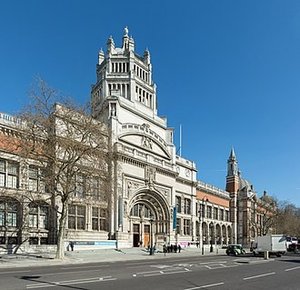
Victoria and Albert Museum, LondraVictoria and Albert Museum Londra 1 Christoph von Laiming in His 59th Year
Thyssen-Bornemisza Müzesi, MadridThyssen-Bornemisza Müzesi Madrid 1 The Court Jester known as "Knight Christoph"
National Gallery Prague, PragNational Gallery Prague Prag 1 Sick Alexander the Great and his Physician Philippos
Germanisches Nationalmuseum, NürnbergGermanisches Nationalmuseum Nürnberg 1 Panel from a Series of Rural Scenes: Bathing and Slaughter
Bonnefanten Müzesi, MaastrichtBonnefanten Müzesi Maastricht 1 Portrait of a Man

On yıllar boyunca Hans Wertinger: her biri için eşsiz bir orijinal eser

On yıllara göre eserler

O dönemi tanımlayan orijinal eseri görmek için bir on yıl seçin.

Hans Wertinger'in tabloları: galeri için sorular

Hans Wertinger tarafından yapılmış en ünlü eser hangisidir?Cevabı göster

Christoph von Laiming in His 59th Year (1517), Victoria and Albert Museum, Londra. Ardından The Court Jester known as "Knight Christoph" (1515) ve Portrait of William IV of Bavaria. (1526) geliyor.

Hans Wertinger, Christoph von Laiming in His 59th Year eserini kaç yaşında yarattı?Cevabı göster

52 yaşında: Christoph von Laiming in His 59th Year 1517 yılına aittir ve Hans Wertinger 1465 yılında doğmuştur.

Hans Wertinger tarafından yapılmış en ünlü on tablo hangileridir?Cevabı göster

Christoph von Laiming in His 59th Year, The Court Jester known as "Knight Christoph", Portrait of William IV of Bavaria., Portrait of Margrave Bernhard III von Baden, Sick Alexander the Great and his Physician Philippos, Panel from a Series of Rural Scenes: Bathing and Slaughter, Portrait of a Man, The Boar Hunt, Portrait of the Count Palatine Johann III ve Count Palatine Philipp, Bishop of Freising. Yukarıdaki sıralama, her birinin yapım yılını ve bulunduğu müzeyi göstermektedir.

Hans Wertinger tarafından yapılmış kaç eser bilinmektedir?Cevabı göster

Kataloğumuzda Hans Wertinger tarafından 1499 ile 1530 tarihleri arasında üretilmiş 17 eser bulunmaktadır.

En ünlü Hans Wertinger orijinalleri nerede görülebilir?Cevabı göster

Çoğunlukla Bavarian State Painting Collections (Münih), Alte Pinakothek (Münih) ve Reading Public Museum (Reading) bünyesinde yer almaktadır. Yukarıdaki müze tablosu tümünü listelemektedir.

Hans Wertinger en bilinen tablolarını hangi dönemde yaptı?Cevabı göster

1520s döneminde: Bu sayfadaki 17 eserin 6 tanesi o dönemde yapılmıştır, bunların Portrait of William IV of Bavaria. tanesi ise Portrait of William IV of Bavaria. arasındadır.

Hangi ünlü Hans Wertinger tablosu en eski, hangisi ise en yenidir?Cevabı göster

Bu sayfadaki en eski eser Portrait of Margrave Bernhard III von Baden (1499), en yeni eser ise Portrait of a Man (1530)'dir.

Hans Wertinger hangi konuları tercih ederdi?Cevabı göster

Man (9), Landscape (5) ve Jewelry (4), bu sayfadaki 17 eser genelinde.

Hans Wertinger en çok hangi malzemelerle resim yaptı?Cevabı göster

Bu sayfadaki 17 eserin 10 tanesi Oil On Panel türündedir.

Hans Wertinger eserleri hangi akıma aittir?Cevabı göster

bu sayfadaki orijinallerine bakılırsa Northern renaissance,

Bavarian State Painting Collections bünyesinde Hans Wertinger imzalı hangi orijinal eserleri görebilirim?Cevabı göster

Portrait of Margrave Bernhard III von Baden, Portrait of the Count Palatine Johann III ve Count Palatine Philipp, Bishop of Freising: Bavarian State Painting Collections, Münih, bu sayfadaki eserlerden 4 tanesine ev sahipliği yapmaktadır.

Hans Wertinger: sanatçının bir portresi

Hans Wertinger: A Master of Bavarian Court Art

Born in Landshut, Bavaria, around 1465 and tragically passing away in the same city in 1533, Hans Wertinger stands as a pivotal figure in the late 15th-century German art scene. While not a household name today, his prolific output—spanning woodcuts, panel paintings, and decorative designs—offers a remarkable glimpse into the artistic landscape of the Bavarian court during a period of significant political and cultural transformation. Wertinger’s career was inextricably linked to the powerful Wittelsbach dynasty, specifically Duke Ludwig X, and his influence extended far beyond simply fulfilling commissions; he became an integral part of the court's intellectual and aesthetic life.

Wertinger’s early training remains somewhat shrouded in mystery, though it is believed he received instruction within the workshops of prominent Nuremberg artists. However, it was his association with Ludwig X that truly shaped his artistic trajectory. Appointed as the Duke’s court painter in 1516, Wertinger quickly established himself as a versatile and highly sought-after artist. He wasn't merely a decorator; he was tasked with creating visual representations of the Duke’s power, piety, and intellectual pursuits – a demanding role that required both technical skill and astute political awareness.

A Diverse Artistic Portfolio

Wertinger’s artistic output is remarkably diverse, reflecting the multifaceted demands placed upon him by his royal patron. He excelled in several mediums, producing intricate woodcuts depicting biblical scenes, allegorical representations of the months of the year (a popular motif during this period), and elaborate panel paintings for altarpieces and private chapels. His work frequently incorporated rich decorative elements – garlands, heraldic symbols, and classical motifs – demonstrating a sophisticated understanding of visual rhetoric and courtly aesthetics.

  • Woodcuts: Wertinger’s woodcut prints are particularly noteworthy for their clarity, detail, and expressive quality. These images often served as didactic tools, conveying religious narratives to a largely illiterate population.
  • Panel Paintings: His panel paintings, such as the magnificent “Crucifixion with Saints and Donor” (available as a hand-painted reproduction on OriginalUniqueArt.com), showcase his mastery of color, composition, and perspective. These works frequently depict scenes from the Bible or portray saints, often incorporating elements of courtly life and symbolism.
  • Decorative Designs: Wertinger’s contributions to the decoration of Ludwig X's palace at Burg Trausnitz were extensive, including stained glass designs, wall murals, and furnishings. These projects demonstrate his ability to integrate seamlessly into a broader architectural and artistic context.

A prime example of Wertinger’s skill is “King Alexander and his physician Philip,” currently housed in the National Gallery in Prague. This portrait exemplifies his signature style – a combination of realistic depiction and elaborate decorative framing, reflecting the opulent tastes of the Bavarian court. His later work, like "Crucifixion, with Dr. Peter Baumgartner and His Family," further demonstrates his ability to imbue religious scenes with intimate human drama.

Influences and Artistic Style

Wertinger’s artistic style is often described as a synthesis of late Gothic and early Renaissance influences. He inherited the meticulous detail and rich color palette characteristic of German Late Gothic art, while simultaneously embracing elements of perspective and naturalism that were gaining prominence in Italy. His work reflects the humanist ideals prevalent at the Bavarian court, particularly the interest in classical antiquity and the study of human anatomy.

The influence of Dietrich von Plieningen, a prominent humanist scholar and advisor to Duke Ludwig X, is also evident in Wertinger’s artistic output. The two collaborated on several projects, including illuminated manuscripts and historical paintings, demonstrating a shared commitment to both artistic excellence and intellectual inquiry.

Historical Significance

Hans Wertinger's legacy lies not only in the beauty of his individual works but also in his role as a key figure in shaping the visual culture of the Bavarian court during a pivotal period of German history. His art provides valuable insights into the political, religious, and intellectual currents that defined the late 15th century. His work stands as a testament to the power of patronage and the enduring appeal of artistic expression within the context of royal courts.

Explore stunning hand-painted reproductions of Hans Wertinger’s masterpieces today on OriginalUniqueArt.com – bringing these remarkable works of art into your home or office.