


1


Kasım 2026 tarihinde güncellendi · popülerlik puanımıza göre sıralanmıştır (her bir eser için aramalar, ziyaretler ve siparişler) · 21 eser Gerrit Van Vucht kataloğumuzda
Özetle
Church interior (1632), en çok ilgi çeken Gerrit Van Vucht tablosudur; orijinali Rotterdam, Museum Boijmans Van Beuningen bünyesinde bulunmaktadır. Ardından göz, Still Life with Ham, a Glass of Beer, and a Lemon (1661) ve Still life with fish, eggs, bread and pans (1650) üzerine yoğunlaşır. Kataloğumuzdaki Gerrit Van Vucht imzalı 21 eser arasından seçilen bu 21 eser; yapıldığı yıl, sergilendiği müze ve zamana meydan okuma nedenleriyle birlikte sunulan en ünlü ve her biri eşsiz orijinal çalışmalardır.


 Still Life with Books1677 · Museum Boijmans Van Beuningen
12
 Still life of a laid table in an interior1680
13
 Still life with berkemeyer and peaches1680
14
 Still life with a crab on a pewter plate, roemer, salt cellar, napkin, peaches, a peeled lemon, a bun and grapes1680
15
 Fruit still life1675
16
 Still life of books with a columbine cup1690
17
 Vanitas Still Life, Gerrit van Vucht, 1658 - 16971697 · Rijksmuseum
18
 Interior of a Gothic ChurchKunsthistorisches Museum
19
 Still life with sphere, books, tazza and wine glassAcademy of Fine Arts Vienna
20
 Still life with skull, books, candle and a flaskAshmolean Museum
21
 Still life with a dead duck, fish, pears, eggs, a copper pot and other objects, all arranged on a kitchen cabinet
Bu sayfadaki tabloların çoğuna ev sahipliği yapan 8 müze.
| Müze | Şehir | Gerrit Van Vucht Eserleri | Bu listedeki tablolar |
|---|---|---|---|
 Museum Boijmans Van Beuningen |
Rotterdam | 2 | Church interior, Still Life with Books |
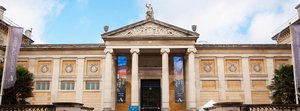 Ashmolean Museum |
Oxford | 2 | Still life with stoneware jug, bekerschroef, glassware and a leg of ham, Still life with skull, books, candle and a flask |
 Het Prinsenhof |
Delft | 1 | Still Life with Ham, a Glass of Beer, and a Lemon |
 The National Museum in Poznań |
Poznań | 1 | Still life with beads, books, hourglass, letters and bottle |
 Nationalmuseum |
Stockholm | 1 | Still Life with Fruit |
 Rijksmuseum |
Amsterdam | 1 | Vanitas Still Life, Gerrit van Vucht, 1658 - 1697 |
 Kunsthistorisches Museum |
Viyana | 1 | Interior of a Gothic Church |
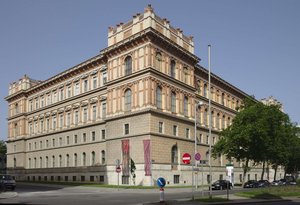 Academy of Fine Arts Vienna |
Viyana | 1 | Still life with sphere, books, tazza and wine glass |
O dönemi tanımlayan orijinal eseri görmek için bir on yıl seçin.


Church interior (1632), Museum Boijmans Van Beuningen, Rotterdam. Ardından Still Life with Ham, a Glass of Beer, and a Lemon (1661) ve Still life with fish, eggs, bread and pans (1650) geliyor.
22 yaşında: Church interior 1632 yılına aittir ve Gerrit Van Vucht 1610 yılında doğmuştur.
Church interior, Still Life with Ham, a Glass of Beer, and a Lemon, Still life with fish, eggs, bread and pans, Kitchen still life with meat, fish and vegetables, Still life with books and flute, Still life with tric-trac game on a wooden table, chairs and a cello to the right, Still life with beads, books, hourglass, letters and bottle, Still life with stoneware jug, bekerschroef, glassware and a leg of ham, Still life with a pewter jug, roemers and a leg of ham ve Still Life with Fruit. Yukarıdaki sıralama, her birinin yapım yılını ve bulunduğu müzeyi göstermektedir.
Kataloğumuzda Gerrit Van Vucht tarafından 1632 ile 1697 tarihleri arasında üretilmiş 21 eser bulunmaktadır.
Çoğunlukla Museum Boijmans Van Beuningen (Rotterdam), Ashmolean Museum (Oxford) ve Het Prinsenhof (Delft) bünyesinde yer almaktadır. Yukarıdaki müze tablosu tümünü listelemektedir.
1650s döneminde: Bu sayfadaki 21 eserin 6 tanesi o dönemde yapılmıştır, bunların Still life with fish, eggs, bread and pans tanesi ise Still life with fish, eggs, bread and pans arasındadır.
Bu sayfadaki en eski eser Church interior (1632), en yeni eser ise Vanitas Still Life, Gerrit van Vucht, 1658 - 1697 (1697)'dir.
Church interior ve Still Life with Books: Museum Boijmans Van Beuningen, Rotterdam, bu sayfadaki eserlerden 2 tanesine ev sahipliği yapmaktadır.