


1


Ekim 2026 tarihinde güncellendi · popülerlik puanımıza göre sıralanmıştır (her bir eser için aramalar, ziyaretler ve siparişler) · 25 eser Edwin Cooper kataloğumuzda
Özetle
Michael Beverley With His Whipper In And Harriers, (1831), Edwin Cooper tarafından yapılan ve en çok ilgi çeken tablodur. Ardından göz, London To Glasgow Royal Mail On The Open Road ve "Banker", a Racehorse Belonging to Frederick, Duke of York üzerine yoğunlaşır. Kataloğumuzdaki Edwin Cooper imzalı 25 eser arasından seçilen bu 25 eser; yapıldığı yıl, sergilendiği müze ve zamana meydan okuma nedenleriyle birlikte sunulan en ünlü ve her biri eşsiz orijinal çalışmalardır.


 A Gentleman Driving Tandem To A Jaunting CaYale Center for British Art
12
 A Bay Hunter In A LandscapeCalke Abbey
13
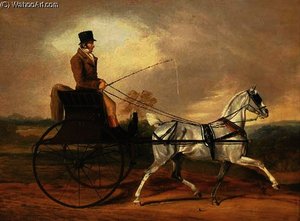 A gentleman riding a horse and gig
14A foxhound and her litter
15
 A Grey Carriage Horse In A StableCalke Abbey
16
 A Huntsman Leading A Bay Hunter, With Hounds Outside Kennels
17
 A Chestnut Hunter And A Terrier In An Extensive Landscape
18
 Elevation Of The Public Library, Marylebone Road
19
 Preparing to set off
20
 A Chestnut Hunter And A Grey Hunter By A Manger, With A River Landscape Beyond
21
 Lord grosvenor's enterprise winning from waty and hannibal at brighton races
22
 A liver chestnut in an extensive landscape
23
 Fighting Cocks
24
 Sir Jacob Astley, 6th Bt, 16th Baron Hastings, On A Grey Hunter, With Huntsmen And Hounds At Melton Constable
25
 A Sportsman With Shooting Pony And Gun DogsYale Center for British Art
Bu orijinal eserlerde en sık karşılaşılan ve her biri en seçkin örneğine sahip olan dört konu.
Bu sayfadaki tabloların çoğuna ev sahipliği yapan 3 müze.
| Müze | Şehir | Edwin Cooper Eserleri | Bu listedeki tablolar |
|---|---|---|---|
 Calke Abbey |
3 | A Chestnut Hunter In A Field, A Bay Hunter In A Landscape, A Grey Carriage Horse In A Stable | |
 Yale Center for British Art |
New Haven | 2 | A Gentleman Driving Tandem To A Jaunting Ca, A Sportsman With Shooting Pony And Gun Dogs |
 Royal Collection |
Londra | 1 | "Banker", a Racehorse Belonging to Frederick, Duke of York |
Burada gösterilen tüm tarihli Edwin Cooper orijinalleri tek bir yıla, 1831 yılına aittir: Ünlü olma sırasına göre sıralanmışlardır.
Orijinallerini görmek için bir yıl seçin.
Michael Beverley With His Whipper In And Harriers, (1831). Ardından London To Glasgow Royal Mail On The Open Road ve "Banker", a Racehorse Belonging to Frederick, Duke of York geliyor.
46 yaşında: Michael Beverley With His Whipper In And Harriers, 1831 yılına aittir ve Edwin Cooper 1785 yılında doğmuştur.
Michael Beverley With His Whipper In And Harriers,, London To Glasgow Royal Mail On The Open Road, "Banker", a Racehorse Belonging to Frederick, Duke of York, A Chestnut Hunter In A Field, Pointers In A Landscape, Mounted Dragoon By The Sea, A Bay Hunter With A Dog By A Fence, Two Gentlemen With Their Hunters, In An Extensive Landscape, A dark bay horse and a terrier in a landscape ve Three Greyhounds In A Landscape. Yukarıdaki sıralama, her birinin yapım yılını ve bulunduğu müzeyi göstermektedir.
Kataloğumuzda Edwin Cooper tarafından yapılmış 25 eser bulunmaktadır.
Çoğunlukla Calke Abbey, Yale Center for British Art (New Haven) ve Royal Collection (Londra) bünyesinde yer almaktadır. Yukarıdaki müze tablosu tümünü listelemektedir.
Hunting (8), Landscape (7) ve Beach (4), bu sayfadaki 25 eser genelinde.
A Chestnut Hunter In A Field, A Bay Hunter In A Landscape ve A Grey Carriage Horse In A Stable: Calke Abbey, bu sayfadaki eserlerden 3 tanesine ev sahipliği yapmaktadır.


