Ed Paschke portresi

En Ünlü 11 Ed Paschke Tablosu, Bir Galeri Seçkisi

Ekim 2026 tarihinde güncellendi · popülerlik puanımıza göre sıralanmıştır (her bir eser için aramalar, ziyaretler ve siparişler) · 11 eser Ed Paschke kataloğumuzda

Özetle

Ed Paschke tarafından bırakılan tüm orijinal eserler arasında en ünlüsü Libertad from the Wisconsin Sesquicentennial Portfolio (2001) adlı çalışmasıdır. Hemen ardından Parkway (1983) ve Francine (1973) geliyor. Kataloğumuz Ed Paschke tarafından yapılmış 11 eser barındırmaktadır; galeri, her biri tarihi, müzesi ve hikayesiyle birlikte sergilenen, dünyanın en çok hayranlık duyduğu 11 eseri muhafaza etmektedir.

1939 – 2004, Chicago En çok eser: Toledo Sanat Müzesi

Ed Paschke tarafından yapılan en iyi 10 tablo: galerinin seçimi

8
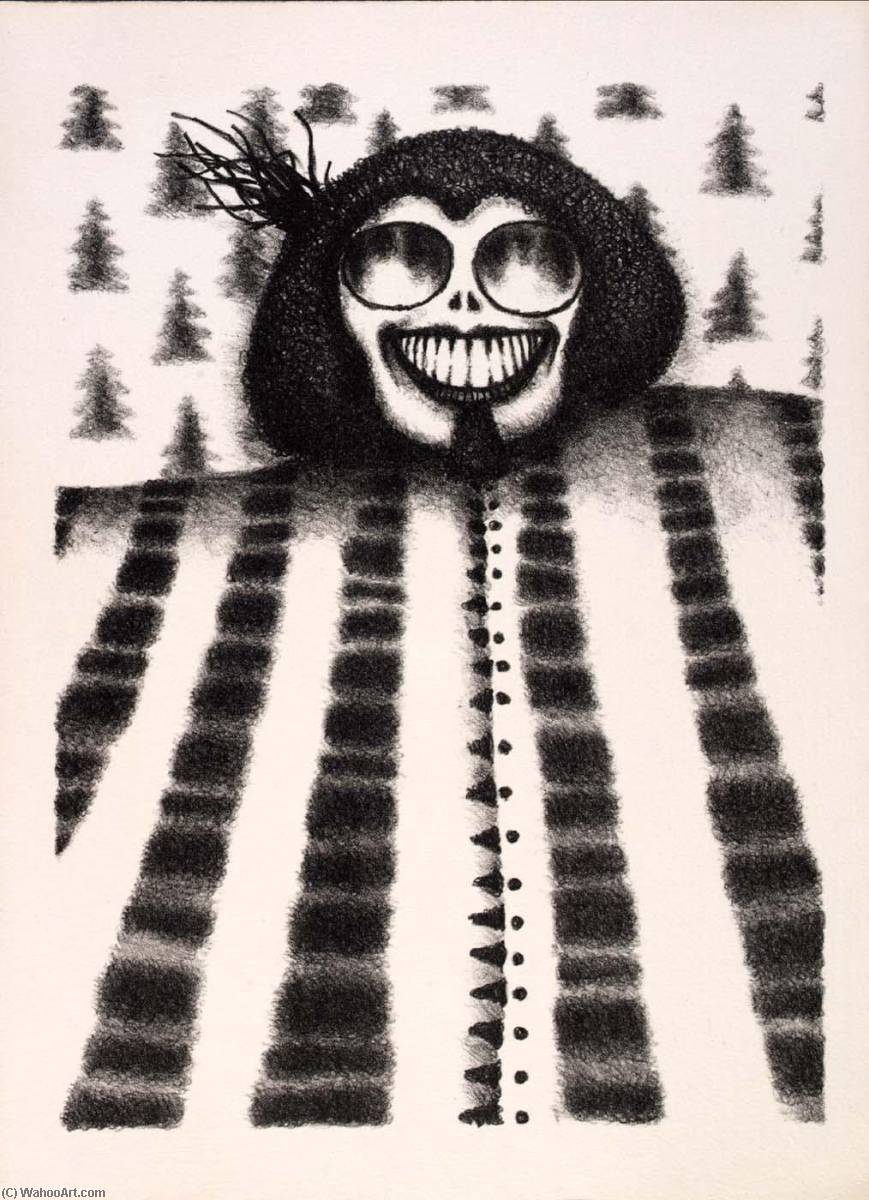
Shoe Sack (1972) tarafından Ed Paschke

Shoe Sack

1972

The painting "Shoe Sack" by Edward Paschke is a fascinating piece of art that showcases the artist's unique style and technique. Created in 1972, this oil on canvas painting measures 56 x 76 cm and is currently housed at the Smithsonian American Art Museum in the United States. Artist Background Edward Paschke was an American artist known for his bold and vibrant paintings. His work often featured everyday objects, like…

Ed Paschke seçkisi devam ediyor, 11 ile 11 arası

Ed Paschke'in orijinal eserlerinin sergilendiği müzeler

Bu sayfadaki tabloların çoğuna ev sahipliği yapan 4 müze.

Müze Şehir Ed Paschke Eserleri Bu listedeki tablolar
Toledo Sanat Müzesi, ToledoToledo Sanat Müzesi Toledo 1 Parkway
Musée d'Art Moderne et Contemporain de Strasbourg, StrasbourgMusée d'Art Moderne et Contemporain de Strasbourg Strasbourg 1 Francine
Carnegie Müzesi, PittsburghCarnegie Müzesi Pittsburgh 1 Kevin
Metropolitan Sanat Müzesi, New YorkMetropolitan Sanat Müzesi New York 1 Watching Television

on yıl on yıl Ed Paschke: her dönemi tanımlayan orijinal eserler

On yıllara göre eserler

O dönemi tanımlayan orijinal eseri görmek için bir on yıl seçin.

Koleksiyonerlerin Ed Paschke'in tabloları hakkındaki soruları

Ed Paschke en çok hangi eseriyle tanınır?Cevabı göster

Libertad from the Wisconsin Sesquicentennial Portfolio (2001). Ardından Parkway (1983) ve Francine (1973) geliyor.

Libertad from the Wisconsin Sesquicentennial Portfolio yapıldığında Ed Paschke kaç yaşındaydı?Cevabı göster

62 yaşında: Libertad from the Wisconsin Sesquicentennial Portfolio 2001 yılına aittir ve Ed Paschke 1939 yılında doğmuştur.

En ünlü on Ed Paschke tablosu hangileridir?Cevabı göster

Libertad from the Wisconsin Sesquicentennial Portfolio, Parkway, Francine, Kevin, Untitled, Watching Television, Watching Television, Shoe Sack, The Answer ve Santa Caballo. Yukarıdaki sıralama, her birinin yapım yılını ve bulunduğu müzeyi göstermektedir.

Ed Paschke kaç tablo bıraktı?Cevabı göster

Kataloğumuzda Ed Paschke tarafından 1972 ile 2001 tarihleri arasında üretilmiş 11 eser bulunmaktadır.

Ed Paschke'in şaheserleri hangi müzelerde sergileniyor?Cevabı göster

Çoğunlukla Toledo Sanat Müzesi (Toledo), Musée d'Art Moderne et Contemporain de Strasbourg (Strasbourg) ve Carnegie Müzesi (Pittsburgh) bünyesinde yer almaktadır. Yukarıdaki müze tablosu tümünü listelemektedir.

Ed Paschke en ünlü eserlerini hangi yıllarda yaptı?Cevabı göster

1970s döneminde: Bu sayfadaki 11 eserin 4 tanesi o dönemde yapılmıştır, bunların Francine tanesi ise Francine arasındadır.

Ed Paschke sanatçısının ilk ve son ünlü orijinal eserleri nelerdir?Cevabı göster

Bu sayfadaki en eski eser Shoe Sack (1972), en yeni eser ise Libertad from the Wisconsin Sesquicentennial Portfolio (2001)'dir.
Ed Paschke: yaşamı ve eserleri

A Vision of the American Psyche: The Life and Art of Edward Paschke

Edward Paschke, born in Chicago in 1939 and passing away in 2004, was a pivotal figure in the development of contemporary figurative painting. He wasn’t interested in grand narratives or sweeping historical statements; instead, he focused his attention on the often-overlooked moments of everyday life, imbuing them with a haunting psychological depth that resonated deeply with viewers and continues to captivate audiences today. Paschke's artistic journey began with studies at the Art Institute of Chicago, where he initially explored abstract expressionism, but quickly found himself drawn towards a more representational style—one that allowed him to directly engage with the world around him, albeit through a distinctly personal lens. He wasn’t simply *recording* reality; he was interpreting it, filtering it through his own unique sensibility and creating images that felt both familiar and strangely unsettling.

Early Influences and the Emergence of a Unique Style

The Midwestern landscape and its inhabitants profoundly shaped Paschke's artistic vision. Growing up in Chicago during the post-war era, he witnessed a society undergoing rapid transformation—a blend of optimism and anxiety that found expression in his work. Early influences included artists like Edward Hopper, whose depictions of American loneliness and alienation resonated with Paschke’s own observations. However, Paschke quickly moved beyond mere imitation, developing a highly distinctive style characterized by flattened perspectives, bold colors, and an almost graphic quality. His figures often appear isolated, caught in moments of quiet contemplation or subtle interaction. He wasn't interested in traditional notions of beauty; instead, he sought to capture the raw emotional truth of his subjects. This pursuit led him to experiment with various techniques, including collage and printmaking, which further enhanced the visual impact of his paintings. The use of vibrant, often jarring color palettes became a hallmark of his work, creating an atmosphere that was both alluring and disquieting.

Themes of Isolation, Memory, and Americana

Paschke’s oeuvre is unified by several recurring themes: isolation, memory, and the complexities of American life. His paintings often depict solitary figures in mundane settings—diners, gas stations, roadside motels—places that evoke a sense of transience and anonymity. These aren't idyllic scenes; they are imbued with a subtle melancholy, hinting at the loneliness and alienation that can exist even within seemingly familiar environments. Memory plays a crucial role in his work, as he often revisited childhood experiences and personal recollections, transforming them into evocative visual narratives. He wasn’t interested in recreating specific events; instead, he sought to capture the *feeling* of those moments—the emotional residue that lingered long after they had passed. His exploration of Americana is particularly poignant, offering a nuanced portrayal of rural life and the changing social landscape of the Midwest. He didn’t shy away from depicting the darker aspects of American society—poverty, disillusionment, and the loss of innocence—but he did so with empathy and compassion.

Major Achievements and Artistic Legacy

Throughout his career, Paschke exhibited extensively in galleries and museums across the United States and Europe. He received numerous awards and accolades for his work, solidifying his reputation as a leading figure in contemporary painting. While he never sought widespread fame or commercial success, his paintings have become increasingly recognized for their artistic merit and historical significance. His influence can be seen in the work of many younger artists who share his interest in figurative representation and psychological depth. Paschke’s ability to capture the essence of American life—its beauty, its contradictions, and its underlying anxieties—continues to resonate with audiences today.
  • His innovative use of color and flattened perspective challenged traditional notions of realism.
  • He successfully bridged the gap between abstract expressionism and figurative painting.
  • His work provided a powerful commentary on the social and cultural landscape of post-war America.

Historical Significance and Enduring Appeal

Edward Paschke’s historical significance lies in his ability to capture the spirit of an era—a time of rapid change, profound uncertainty, and a growing sense of alienation. He wasn't interested in offering easy answers or simplistic solutions; instead, he presented viewers with complex images that demanded contemplation and interpretation. His paintings serve as a powerful reminder of the human condition—our capacity for both joy and sorrow, connection and isolation. The enduring appeal of his work stems from its emotional honesty and its ability to connect with audiences on a deeply personal level. He didn’t just paint pictures; he created visual stories that spoke to the universal experiences of memory, loss, and the search for meaning in a fragmented world. His legacy continues to inspire artists and viewers alike, ensuring his place as a vital voice in contemporary art history.