
1


Kasım 2026 tarihinde güncellendi · popülerlik puanımıza göre sıralanmıştır (her bir eser için aramalar, ziyaretler ve siparişler) · 2 eser Daniel Sarrabat kataloğumuzda
Özetle
Galerinin gözünde, Daniel Sarrabat'in en ünlü tablosu, aslı Lyon, Musée des Beaux-Arts de Lyon içinde sergilenen Noah and His Children Giving Thanks to God for Having Escaped the Deluge (1688)'dir. Katalogumuzdaki Daniel Sarrabat imzalı 2 eser arasından galerimiz, her biri yapıldığı yıl, sergilendiği müze ve onu eşsiz kılan özellikleriyle birlikte en ünlü 2 eseri aşağıda sunmaktadır.
Bu sayfadaki tabloların çoğuna ev sahipliği yapan 2 müze.
| Müzeler | Şehir | Daniel Sarrabat Eserleri | Bu listedeki tablolar |
|---|---|---|---|
 Musée des Beaux-Arts de Lyon |
Lyon | 1 | Noah and His Children Giving Thanks to God for Having Escaped the Deluge |
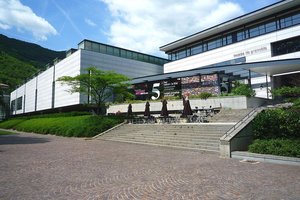 Musée de Grenoble |
Grenoble | 1 | Saint Nicolas dote les trois jeunes filles pauvres |
Bu sayfadaki Daniel Sarrabat imzalı tüm tarihli orijinal eserler 1688 yılında yapılmıştır: en ünlüları en başta olmak üzere, işte eserler.
Orijinallerini görmek için bir yıl seçin.
Noah and His Children Giving Thanks to God for Having Escaped the Deluge (1688)
22 yaşında: Noah and His Children Giving Thanks to God for Having Escaped the Deluge 1688 yılına aittir ve Daniel Sarrabat 1666 yılında doğmuştur.
Kataloğumuzda Daniel Sarrabat tarafından yapılmış 2 eser bulunmaktadır.
Çoğunlukla Musée des Beaux-Arts de Lyon (Lyon) ve Musée de Grenoble (Grenoble) bünyesinde yer almaktadır. Yukarıdaki müze tablosu tümünü listelemektedir.
Born in 1666, Daniel Sarrabat entered a world where art and intellect were woven into the very fabric of his domestic life. He was raised within a family of artists and scholars, a lineage that seemed destined to shape his hands and his mind. This creative inheritance was not a solitary one; his brother, Isaac Sarrabat, would eventually find his own path as a popular engraver. The family's connection to the craft ran deep, reaching back to his uncle, Daniel Sarrabat I, who had been a skilled engraver and stonecutter.
The boy's early years were spent absorbing the traditions of his kin, yet his talent required the guidance of masters to truly flourish. He sought out the instruction of Bon Boullogne, a teacher who would help refine his developing eye and technique. Through this apprenticeship, the foundations of his skill were laid, preparing him for the rigorous path that lay ahead. His training was not merely a matter of technique, but a preparation for a life spent translating history and emotion onto canvas.
The promise of his talent became undeniable when he secured the prestigious Prix de Rome in 1688. This victory opened the gates to Italy, allowing him to immerse himself in the classical traditions that would shape his hand. He arrived in Rome to study at the French Academy, a period of intense observation and growth that would define his early years as a painter.
His time in the Eternal City was marked by significant achievement. In 1690, he demonstrated his command of composition and narrative by winning first prize in Rome. This honor was earned through his painting of "Noah and his family out of the ark," a work that showcased his ability to handle complex biblical scenes. His presence in Rome lasted from about 1685 until 1694, a long sojourn that allowed him to absorb the light and form of the Italian masters before he eventually returned to France.
After his time in Rome, Sarrabat settled in Lyon in 1695, making the city the foundation of his professional life. He did not merely exist within the local scene but became a central figure in its artistic landscape. His career reached its peak between 1716 and 1732, a period when his hand was sought after for various commissions. He moved through the city's social circles, working as both a history artist and a portraitist, capturing the likenesses of his contemporaries while also tackling grander, more complex narratives.
In his approach to the canvas, Sarrabat remained steadfast in his devotion to the classical tradition. While the tastes of the era began to shift toward the lighter, more decorative impulses of the Rococo, he chose to follow the artistic ideal of Nicolas Poussin. This commitment to a more structured and rational style defined his output. His works sought to uphold the dignity of history painting, maintaining a sense of order and classical poise that stood apart from the more whimsical trends emerging in the French court.
