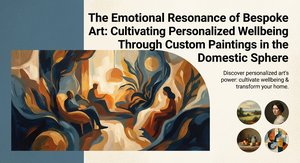
The Emotional Resonance of Personalized Art: Beyond Aesthetic Appeal
The psychology of art is the scientific study of cognitive and emotional processes precipitated by the sensory perception of aesthetic artefacts, such as viewing a painting or touching a sculpture. It is an emerging multidisciplinary field of inquiry...
For centuries, art has been more than mere decoration; it’s a reflection of the human spirit, a conduit for emotion, and a tangible expression of our innermost selves. While the masterpieces of history hold undeniable power, there exists a unique intimacy in artwork deliberately chosen – or even commissioned – to resonate with one's own experiences, values, and emotional landscape. This isn’t simply about acquiring an object; it’s about forging a connection with a visual narrative that speaks directly to the soul. The desire for self-expression is fundamental, and personalized art offers a profound way to articulate what words often cannot.
The selection of subject matter becomes paramount in this pursuit. A beloved landscape evokes cherished memories, perhaps a place of solace or inspiration. A portrait, whether of a loved one or an idealized figure, captures the essence of connection and identity. Even abstract compositions, seemingly devoid of concrete representation, can serve as powerful vehicles for emotional exploration, allowing viewers to project their own feelings and interpretations onto the canvas. The style in which the painting is rendered further amplifies this effect; the vibrant brushstrokes of Impressionism might convey optimism and energy, while a more subdued Realist technique could evoke nostalgia or introspection. Our brains are inherently wired to respond emotionally to visual stimuli, and personalized paintings capitalize on this innate connection, creating an experience that is deeply personal and profoundly moving.
A Historical Perspective: How Artists Have Evoked Emotion Through Painting
The exploration of emotion in art isn’t a modern invention. It has been central to artistic practice since the dawn of civilization, reaching its zenith during periods like the Romantic movement of the 19th century. Artists such as Eugène Delacroix and J.M.W. Turner didn't simply depict scenes; they sought to capture the sublime – those awe-inspiring moments that evoked powerful feelings of both beauty and terror. This emphasis on subjective experience paved the way for Expressionism in the early 20th century, where artists like Edvard Munch deliberately distorted form and color to convey inner turmoil and psychological states. Consider Munch’s iconic ‘The Scream,’ a haunting depiction of anxiety and despair that continues to resonate with audiences today. Similarly, Oskar Kokoschka's portraits are renowned for their psychologically charged intensity, revealing the sitter’s vulnerabilities and emotional complexities.
These artists weren’t merely replicating reality; they were attempting to externalize internal experiences, to make visible the invisible world of emotions. This tradition continued through the Abstract Expressionists like Mark Rothko, who believed that color itself could be a powerful vehicle for conveying profound feelings. The use of color psychology – understanding how different hues evoke specific emotional responses – became increasingly sophisticated, with artists consciously manipulating palettes to create desired effects. From the symbolic weight of blue in Renaissance paintings representing spirituality to the bold hues employed by Fauvist masters expressing pure joy, the history of art is a testament to the power of visual language to communicate emotion.
The Therapeutic Power of Creation: Art as a Pathway to Well-being and Self-Discovery
Beyond simply *viewing* emotionally resonant artwork, the act of *creating* art itself can be profoundly therapeutic. Engaging in creative activities – whether painting, sculpting, or drawing – provides a powerful outlet for emotions that may be difficult to articulate verbally. The process of translating internal states into visual form can be cathartic, allowing individuals to release pent-up tension and gain clarity. This principle forms the foundation of art therapy, where artistic expression is utilized as a means of healing and self-discovery.
Studies have shown that creating art reduces cortisol levels – the hormone associated with stress – promoting relaxation and well-being. Furthermore, the act of making art encourages mindfulness, shifting focus away from negative thought patterns and fostering a sense of presence. Even without formal training, the simple act of doodling or painting can be meditative, providing a respite from daily anxieties. Moyna Flannigan’s ‘Girl With A Tear,’ for example, evokes psychological depth through its poignant portrayal of unspoken emotions, demonstrating the power of art to capture subtle nuances of feeling and offer a glimpse into the human condition.
Color Psychology in Art: Shaping Mood and Perception with Hue
The relationship between color and emotion is deeply ingrained in human perception. Warm colors – reds, oranges, and yellows – are often associated with energy, passion, and excitement, stimulating feelings of warmth and optimism. Conversely, cooler colors – blues, greens, and purples – tend to evoke feelings of tranquility, peace, and serenity, promoting relaxation and introspection. However, these associations aren’t universal; cultural context also plays a significant role.
For example, in Western cultures, white is often associated with purity and innocence, while in some Eastern traditions, it symbolizes mourning. Artists consciously manipulate color palettes to create specific emotional effects. Vincent van Gogh’s use of vibrant yellows in ‘Starry Night’ conveys a sense of both hope and turmoil, while Mark Rothko’s expansive fields of color evoke feelings of melancholy or transcendence. Understanding the psychological impact of color allows individuals to curate artworks that resonate with their desired mood and aesthetic preferences, transforming spaces into havens of emotional well-being.
Transforming Spaces: Curating Artwork for Emotional Impact in Your Home
Art has the power to shape our perception of a space, influencing mood, energy levels, and overall well-being. Choosing artworks that resonate with one’s personal values and aesthetic preferences can create an environment that feels both comfortable and inspiring. A serene landscape painting might evoke tranquility in a living room, while a bold abstract composition could stimulate creativity in a home office. The size and scale of the artwork also play a crucial role; larger pieces tend to command attention and create a sense of grandeur, whereas smaller works can add subtle accents and personal touches.
Furthermore, framing choices can enhance the overall aesthetic impact, complementing the painting’s style and color palette. A simple, elegant frame might allow the artwork itself to take center stage, while a more ornate frame could add a touch of sophistication and formality. The placement of artwork is also important; consider the lighting conditions and the surrounding décor to create a harmonious visual experience.
Contemporary Expressions: Art Confronting Trauma & Fostering Resilience
Art has long been used as a means of processing difficult experiences, but contemporary artists are pushing the boundaries of this tradition in new and innovative ways. Many artists are confronting trauma directly, creating works that bear witness to suffering and injustice. These pieces often evoke powerful emotions – grief, anger, despair – but they also offer glimpses of hope and resilience. By sharing their stories through visual expression, these artists create a space for dialogue and healing.
The act of viewing such artwork can be cathartic, allowing individuals to connect with shared experiences and find solace in collective empathy. This is not merely about aesthetic appreciation; it’s about engaging with the human condition on a profound level. At OriginalUniqueArt.com, we believe in the transformative power of art, offering both hand-painted reproductions of classic masterpieces and the opportunity to commission custom artwork that reflects your unique story. Explore our curated collection today and discover a piece that resonates with *your* soul – a visual expression of individuality, mood, and enduring beauty.
- Discover museum-quality reproductions crafted by skilled artists.
- Personalize your space with artwork tailored to your preferences.
- Find a piece that speaks to your heart and enhances your well-being.