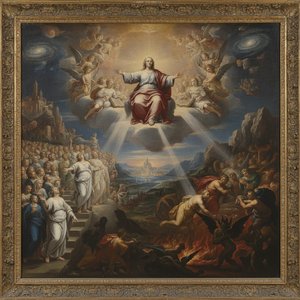
Dante and Virgil
Oil On Canvas
WallArt
Academic Realism
1850
2250.0 x 2810.0 cm
Musée d'Orsay
El Yapımı Yağlı Boya Reproduksiyon
Sanatçılarımız tarafından sipariş üzerine hazırlanan; istediğiniz boyut ve çerçevede, tuval üzerine el boyaması yağlı boya. ( Baskı satın al
Görsel satın al)
P118B $10
P118H $10
P118W $10
P438Z $10
P508JH $12
P508YH $12
P805H $10
P805Z $10
P919BZ $10
P919G $10
P919XJ $10
P959ZH $10
P968JZ $12
W106C $8
W218G $10
W218JH $8
W218Y $10
W307PJ $10
W316G $10
W316PJ $8
W316Y $10
W398PJ $8
W4111J $10
W500HY $15
W500JH $15
W692G $12
W849H $8
W940BG $15
W953PJ $8
Eserin orijinal oranlarıyla uyumlu, önceden belirlenmiş boyutlarımız arasından seçim yapın.
Belirli bir çerçeveye veya alana uyması için kendi boyutlarınızı girebilirsiniz. Seçtiğiniz boyut orijinal görüntünün oranlarıyla eşleşmiyorsa, sanat eserini kırparak veya ek el boyaması öğelerle resmi uzatarak ayarlayacağız. Üretim başlamadan önce onayınız için dijital bir taslak gönderilecektir.
Lütfen ekrandaki önizlemenin gerçek kırpmayı veya uzatmayı yansıtmadığını unutmayın. Nihai kompozisyonu yalnızca hazırlanan taslak doğru şekilde gösterecektir.
Özel boyutlar mevcut olsa da, orijinal oranları korumak adına önceden tanımlanmış listeden bir boyut seçmenizi öneririz.
Siparişten sonra, OriginalUniqueArt.com ekibi talimatlar için müşteriye e-posta gönderecek ve bir taslak önizleme sunacaktır
Dünya Çapında Teslimat (); standart 5 hafta yerine 3/4 haftada. (31 Ağustos). Kaliteden ödün verilmez.
Dünya Çapında Ücretsiz Ekspres Kargo
Yüksek Kaliteli Keten Tuval
Tam Kapsamlı Nakliye Sigortası
Gümrük Vergisi İade Garantisi
Gerçek Renk Uyumu Garantisi
60 Günlük İade Politikası (Sadece Kusurlu Ürünler İçin)
%100 Para İade Garantisi
Toplu Alım İndirimi
Dante and Virgil
Reproduksiyon Tekniği
Reproduksiyon Boyutu
-
Toplam Tutar
$ 300
A Descent Into Beauty: Bouguereau’s “Dante and Virgil”
William-Adolphe Bouguereau's "Dante and Virgil," painted in 1850, isn’t merely a depiction of a scene from Dante Alighieri’s *Inferno*; it’s an immersive experience—a carefully constructed tableau designed to evoke both terror and profound beauty. This monumental work, now housed within the Musée d'Orsay in Paris, stands as a testament to Bouguereau’s unique ability to fuse classical ideals with a strikingly modern sensibility, capturing the raw emotional power of Dante’s journey through Hell. The painting immediately commands attention, not just for its scale – a commanding 2250 x 2810 cm – but for the sheer drama and intensity radiating from the canvas.
At the heart of the composition are Dante and Virgil, rendered with an almost sculptural quality. Bouguereau masterfully exaggerates their musculature, pushing the forms to a point where they border on the theatrical, yet never sacrificing anatomical accuracy. This deliberate distortion isn’t simply stylistic; it serves to amplify the violence and struggle unfolding before them. The figures are bathed in a carefully orchestrated interplay of light and shadow – a technique heavily influenced by Romantic artists like Blake and Füssli – creating a *terribilita*, a sense of awe mixed with horror, that permeates the entire scene. Notice how the crimson hues dominate, not just in the swirling vortexes of Hell but also in the very flesh of the combatants, hinting at the inescapable consequences of sin.
The Inferno’s Spectacle: Composition and Symbolism
Bouguereau meticulously recreates a specific episode from Dante's eighth circle – the torment of Capocchio and Gianni Schicchi. These two figures, representing an alchemist and a fraudulent claimant to inheritance respectively, are locked in a brutal struggle, their faces contorted with rage and despair. The surrounding figures, shadowy masses of damned souls, contribute to the overwhelming sense of chaos and punishment. The inclusion of these monstrous forms isn’t gratuitous; it's integral to conveying the thematic core of *Inferno* – the inescapable nature of sin and its eternal repercussions. Beyond the immediate narrative, the painting operates on a symbolic level. The laurel wreath adorning Dante’s head is a clear reference to his status as a poet, linking him directly to the tradition of epic storytelling and moral judgment.
A Masterclass in Technique – Color, Light, and Detail
Bouguereau's technical prowess is undeniable. He employed a meticulous layering technique, building up color and detail with astonishing precision. The smooth, polished surfaces characteristic of his style create an almost luminous effect, particularly noticeable in the rendering of skin tones and fabrics. The artist’s use of color isn’t merely descriptive; it’s emotionally charged. The deep reds and browns evoke heat, fire, and blood, while subtle variations in tone suggest depth and volume. Furthermore, Bouguereau's ability to capture fleeting expressions—the anguish on Dante’s face, the fury in Capocchio’s eyes—adds a layer of psychological complexity to the scene. The attention to detail extends to every element, from the folds of their garments to the texture of the ground beneath them, creating an incredibly immersive and believable depiction of Hell.
Echoes of the Past, Visions for the Future
"Dante and Virgil" represents a pivotal moment in Bouguereau’s artistic development. Initially conceived as a submission for the prestigious Prix de Rome, it garnered both praise and criticism. Théophile Gautier recognized its “bitterness and strength,” but the painting ultimately failed to secure the coveted award. Despite this setback, it solidified Bouguereau's reputation as a leading figure in the French art world and cemented his commitment to portraying idealized beauty with an unflinching gaze. Today, reproductions of this powerful work offer a unique opportunity to experience the drama and emotional resonance of Dante’s *Inferno* within the comfort of one’s own space. At OriginalUniqueArt.com, we meticulously recreate every nuance of Bouguereau's original masterpiece, ensuring that art lovers can appreciate the enduring beauty and profound symbolism of “Dante and Virgil.”
Sanatçı Özgeçmişi
William-Adolphe Bouguereau (1825-1905): The Master of Academic Realism
William-Adolphe Bouguereau, born November 30, 1825, in La Rochelle, France—died August 19, 1905, La Rochelle—was a French painter who stands as the undisputed champion of academic realism during his era. His artistic journey began amidst the pastoral landscapes and maritime traditions of Poitou-Charentes, shaping his lifelong fascination with classical ideals and meticulous observation of the natural world. From an early age, Bouguereau demonstrated exceptional talent, enrolling in the École des Beaux-Arts in Paris where he honed his skills under the tutelage of François-Edouard Picquenot, absorbing the profound lessons imparted by Raphael and Titian—artists whose mastery of anatomy, composition, and color served as guiding beacons for Bouguereau’s artistic development.Early Influences and Artistic Training
These formative influences weren't merely stylistic imitations; they instilled within Bouguereau a conviction that beauty resided in precise representation and emotional resonance. He meticulously studied the techniques of the Old Masters, mastering chiaroscuro—the dramatic interplay of light and shadow—and striving to achieve an unparalleled level of anatomical accuracy. The École des Beaux-Arts provided him with invaluable experience, exposing him to the prevailing artistic currents of his time while fostering a critical engagement with established conventions. Bouguereau’s unwavering dedication to classical principles—particularly those championed by Raphael and Titian—would define his artistic vision for decades to come. His Prix de Rome in 1850 solidified his position as one of France's most promising young artists, propelling him towards Rome where he spent four formative years immersing himself in the glories of antiquity and refining his craft under the watchful eye of Giuseppe Buonaccorsi.The Mythological Vision: Bouguereau’s Signature Style
Bouguereau’s artistic style is characterized by a remarkable blend of realism and mythological narrative—a stylistic hallmark that distinguishes him from many of his contemporaries. He eschewed Impressionistic spontaneity, prioritizing meticulous draftsmanship and anatomical precision above all else. His canvases depict scenes from Greek mythology with breathtaking detail and emotional depth, transforming ancient tales into luminous landscapes populated by idealized figures rendered with astonishing accuracy. *The Birth of Venus*, arguably Bouguereau’s most iconic work, exemplifies this approach—a masterful reimagining of Botticelli's masterpiece that captures the ethereal beauty of Venus emerging from the sea amidst a swirling vortex of foam and celestial light. Bouguereau skillfully employed chiaroscuro to heighten dramatic tension and convey profound emotion, creating images that transcend mere visual representation. He meticulously sculpted drapery folds and skin textures, achieving an unparalleled level of realism—a testament to his unwavering commitment to classical ideals.Notable Achievements and Recognition
Throughout his illustrious career, Bouguereau garnered widespread acclaim for his artistic prowess and unwavering adherence to academic standards. He consistently achieved top honors at the Salon—Paris’s premier art exhibition—receiving numerous commissions from wealthy patrons and establishing himself as one of France's most celebrated painters. His paintings graced the halls of museums across Europe and America, securing his place among the titans of 19th-century art history. Bouguereau’s influence extended beyond his own artistic output; he served as a respected teacher at the École des Beaux-Arts, nurturing generations of aspiring artists and upholding the legacy of classical tradition. His unwavering belief in the transformative power of art—particularly its ability to elevate the human spirit—remains an enduring inspiration for artists today. Bouguereau’s contribution to French artistic culture is undeniable; he embodies the zenith of academic realism and offers a timeless vision of beauty that continues to resonate with audiences worldwide.A Lasting Legacy: Influence Beyond His Time
Despite initial resistance from avant-garde movements—particularly Impressionism—Bouguereau's influence persisted throughout the 20th century, subtly shaping the sensibilities of subsequent generations of artists. Contemporary figurative painters continue to draw inspiration from his mastery of form and light, recognizing the enduring relevance of his classical aesthetic. Bouguereau’s legacy transcends mere stylistic imitation; it represents a profound conviction that beauty resides in meticulous observation and emotional expression—values that remain paramount in artistic discourse today. His paintings—particularly *The Birth of Venus*, *Zenobia Found by Shepherds on the Banks of the Araxes*, and *Faneuse*—continue to captivate viewers with their luminous color palettes, anatomical precision, and evocative narratives. Bouguereau’s enduring appeal testifies to the timeless power of classical ideals—a testament to his artistic genius and a cornerstone of French art history.William Adolphe Bouguereau
1825 - 1905 , Fransa
Kısa Bilgiler
- Artistic Movement Or Style: Akademik Realizm
- Artists Who Influenced This Artist:
- Raphael
- Titian
- Date Of Birth: 1825
- Full Name: William-Adolphe Bouguereau
- Nationality: Fransa
- Notable Artworks:
- Venüs'ün Doğuşu
- Flora ve Zephyr
- Bergère 1886
- Place Of Birth: La Rochelle, Fransa

Cam seçeneği yalnızca 110 cm altındaki boyutlar için mevcuttur.