Ashcan School · 1904
Eakers (Robert Henri, 1904)
Eakers, Robert Henri (1865–1929) tarafından yapıldı. 1904 yılına aittir. Ashcan School akımına aittir. Oil On Canvas ile yapılmıştır. Cambridge, Amerika Birleşik Devletleridaki Harvard Art Museums bünyesinde korunmaktadır.
- 1904
- Oil On Canvas
- Harvard Art Museums, Cambridge

 Gerçek Boyutta Önizle

 El Yapımı Yağlı Boya Tablo
 Paylaş
 Paylaş
 Bilgi formu


 İndir
 Benzer ürünler
 X-Işını
 Slayt Gösterisi
 Soru & Cevap

 İstatistikler
Eakers hakkında kısa bilgi
- Başlık
- Eakers
- Sanatçı
- Robert Henri (1865–1929)
- Sanatçının doğum yeri
- Cincinnati, Amerika Birleşik Devletleri
- Tarih
- 1904
- Teknik
- Oil On Canvas
- Nerede görülebilir
- Harvard Art Museums, Cambridge, Amerika Birleşik Devletleri
- Akım
- Ashcan School
- Dönem
- Modern
- Konu
- man, portrait, grayscale, face, shoulder, clothing
Eakers neyi betimliyor?
Identification of Eakers by Robert Henri
In this 1904 work, titled Eakers, the artist Robert Henri presents us with a quiet, singular presence. The painting focuses entirely on a single male figure, captured in a moment of stillness that feels both heavy and deeply personal. There is a certain gravity to his posture, as he sits with his arms crossed, a stance that suggests a man settled within his own thoughts.
The subject carries a contemplative or somber expression, inviting a closer look at the psychological weight he holds. Henri avoids the superficiality of a casual pose, opting instead to document a sense of introspection. Through this direct engagement, the figure becomes a study of resilience and quietude, presented without the need for external distraction or artifice.
Composition and Visual Elements
The composition is a medium close-up, focusing on the subject from the chest up. By positioning the figure slightly off-center, the artist avoids a static, formal arrangement, opting instead for a sense of immediacy. The perspective is set at eye-level, which establishes an intimate connection between the viewer and the subject's contemplative expression. This directness is heightened by a strictly grayscale color palette, where the absence of color forces a total reliance on tonal shifts to define form and presence.
Light enters the frame from the upper left, creating a dramatic chiaroscuro effect. This directional light casts strong highlights across the forehead, the cheek, and the shoulder, carving the subject out of the darkness. In contrast, the right side of the face and the surrounding background are submerged in deep shadow. These heavy shadows create a sense of depth and tension, emphasizing the contours of the face through light rather than through sharp outlines.
Technique and Artistic Style
The execution of this work suggests a deep engagement with the impasto technique, likely rendered in oil on canvas. There is a palpable sense of immediacy in the application of the medium. Bold, gestural brushwork defines the surface, moving beyond mere representation to emphasize the physical presence of the paint itself. These thick, visible strokes do more than suggest form; they actively construct the texture of the clothing and the contours of the face, lending the piece a sense of movement and raw vitality.
The artist’s approach here is reminiscent of Impressionism or early Expressionism, favoring a directness that avoids the rigidity of academic precision. Rather than relying on sharp outlines, the shapes are loosely defined through a sophisticated interplay of light and shadow. This chiaroscuro effect creates a profound sense of depth and tension, particularly where the light catches the high points of the subject's features and recedes into deep, dark tones. The result is a composition that feels both spontaneous and deeply considered.
Current Collection and Location
This work is held within the collections of the Harvard Art Museums. It is specifically part of the holdings at the Fogg Museum, where it is cataloged under the identification number 1948.85. The piece remains a permanent part of this institutional repository, preserved for study and observation.
The collection is situated in Cambridge, United States of America. Visitors to the museum can find this work within the specialized environment of the Fogg Museum's galleries. It is maintained as part of the modern and contemporary art holdings within the Cambridge campus.
Eakers adlı eseri hangi müze bünyesinde barındırmaktadır?
Harvard Art Museums
Cambridge, Amerika Birleşik Devletleri
Harvard Art Museums Tarihçesi Harvard Üniversitesi'nin ayrılmaz bir parçası olan Harvard Art Museums, akademik derinliğin ve sanatsal mirasın buluşma noktasıdır. Kurumun günümüzdeki yapısı, 1983 yılında üç farklı yapının bir araya gelmesiyle şekillenmiştir. Bu tarihi birleşme; 1895 yılında kurulan Fogg Museum, 1903 yılında hayata geçirilen Busch-Reisinger Müzesi ve 1985 yılında açılan Arthur M.


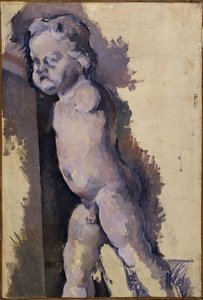
Eakers için yüksek çözünürlüklü görseller

Kamu malı: sanatçı 1929 yılında vefat etmiştir.
Diğer boyutlar, kırpma seçenekleri ve alıntı bilgisi →Robert Henri, Eakers (1904), Harvard Art Museums. Kamu malı.
Eakers hakkında sorular ve cevaplar
"Eakers" adlı eserin orijinali hangi müzede bulunuyor?
Robert Henri imzalı "Eakers", Harvard Art Museums, Cambridge, Amerika Birleşik Devletleri bünyesinde sergilenmektedir. Müze bilgisi reprodüksiyonları değil, eserin orijinalini ifade eder.
Robert Henri imzalı "Eakers" hangi tarihte yapılmıştır?
"Eakers", 1904 yılına tarihlenmektedir. Bu tarih, eseri Robert Henri kariyerinin ve dönemin içerisine yerleştirmektedir.
Robert Henri imzalı "Eakers" eserinde hangi teknik kullanıldı?
Robert Henri imzalı "Eakers" eserinin tekniği Oil On Canvas kullanılarak uygulanmıştır. Çoğaltımlar, bu tekniğin görünümünü yansıtmayı amaçlamaktadır.
Robert Henri imzalı "Eakers" neyi betimliyor?
Robert Henri imzalı "Eakers" eserinde yer alan temalar man, portrait, grayscale, face, shoulder, clothing unsurlarını içermektedir. Bunlar birlikte, eserin konu içeriğini özetlemektedir.
"Eakers" eseri kamu malı mı?
Robert Henri imzalı "Eakers", kamu malıdır - telif hakkı süresi dolmuştur statüsündedir. Bu durum, eserin görüntüsünün nasıl çoğaltılabileceğini belirler.
"Eakers" adlı eser hangi sanatçıya atfediliyor?
"Eakers" adlı eserin Robert Henri tarafından yapıldığı düşünülmektedir.
Robert Henri imzalı "Eakers" hangi sanat akımına dahil?
"Eakers", Ashcan School akımına ait bir eserdir. Bu akım, eserin dahil olduğu sanatsal geleneği ifade eder.
"Eakers" adlı eser, Robert Henri kariyerinin hangi dönemine ait?
Robert Henri'in kariyerinde "Eakers", Mature Period dönemine denk gelmektedir. Bu evre, eserin sanatçının diğer çalışmalarıyla kıyaslanmasına olanak tanır.
Robert Henri, "Eakers" eserini kaç yaşında yaptı?
Robert Henri, 1904 yılında "Eakers" eserini oluşturduğunda 39 yaşındaydı. Bu yaş, sanatçının 1865 olan doğum yılı esas alınarak hesaplanmıştır.
Sanatçı hakkında, Robert Henri

1865–1929, Amerika Birleşik Devletleri
Robert Henri
Turbulent Genesis: Robert Henri’nin Erken Yaşamı Robert Henri, 1865 yılında Cincinnati, Ohio'da Robert Henry Cozad olarak doğdu ve hayatının hem akışını hem de sanatını derinden etkileyecek bir yer değiştirme ve yeniden icat duygusuyla dünyaya geldi. Çocukluğu hiç de idillik değildi; babası John Jackson Cozad—kumarbaz ve emlak geliştiricisi olarak hırslı ve risk alan bir adam—ve annesi Theresa Gatewood Cozad arasındaki istikrarsız ilişkiyle gölgelendi. Bu belirsizlik, 1882'de dramatik bir olayla sonuçlandı: arazi anlaşmazlığı nedeniyle yaşanan ölümcül bir çatışma, aileyi intikamdan kaçmak için yeni kimlikler benimseyerek kaçmaya zorladı. Genç Robert, Henri oldu; geçmişle kasıtlı bir kopuş ve bir sanatçı olarak sembolik bir yeniden doğuş.
Robert Henri Hakkında Robert Henri tarafından yapılmış öne çıkan eserler
Robert Henri tarafından yapılan diğer eserler
 Betalo Rubino, Dramatic Dancer1916
 The Green Fan (Girl of Toledo, Spain)
 O'Malley Home (Achill Island, County Mayo, Ireland)1913
 Young Woman in Black

Eakers üzerine denemeler
 The Weight of Stillness: Examining Melancholy in the Art of Edvard Munch and Hendrick ter BrugghenExplore the profound history of melancholy through Munch and Ter Brugghen. Discover the emotional depth of art today.
 Mastering the Frame: How Detailed Composition and Structural Harmony Bring Artworks to LifeDiscover the profound impact of composition on fine art. Explore how masters use geometry, light, and structural harmony to breathe life in…
 The Art of Prestige: How Fine Reproductions Anchor Elite Gallery CollectionsDiscover how museum-grade fine art reproductions anchor elite collections. Explore the intersection of historical mastery and modern luxury…