Romantic Landscape Painting · 1813
East Bergholt (John Constable, 1813)
East Bergholt, John Constable (1776–1837) tarafından yapıldı. 1813 yılına aittir. Romantic Landscape Painting akımına aittir. Acrylic On Canvas ile yapılmıştır. New Haven, Amerika Birleşik Devletleridaki Yale Center for British Art bünyesinde korunmaktadır.
- 1813
- Acrylic On Canvas
- Yale Center for British Art, New Haven

 Gerçek Boyutta Önizle

 El Yapımı Yağlı Boya Tablo
 Paylaş
 Paylaş
 Bilgi formu


 İndir
 Benzer ürünler
 X-Işını
 Slayt Gösterisi
 Soru & Cevap

 İstatistikler
East Bergholt hakkında kısa bilgi
- Başlık
- East Bergholt
- Sanatçı
- John Constable (1776–1837)
- Sanatçının doğum yeri
- East Bergholt, Birleşik Krallık
- Tarih
- 1813
- Teknik
- Acrylic On Canvas
- Nerede görülebilir
- Yale Center for British Art, New Haven, Amerika Birleşik Devletleri
- Konu
- suffolk countryside, rural england, constable, landscape, pastoral, light and shadow
East Bergholt neyi betimliyor?
A Breath of Suffolk: John Constable’s ‘East Bergholt’
John Constable's “East Bergholt,” painted in 1813, isn’t simply a depiction of a rural English landscape; it’s a profound meditation on light, atmosphere, and the very essence of place. Born in East Bergholt itself – a fact that imbued his work with an unparalleled intimacy – Constable captured not just what he saw, but how he *felt* about the world around him. The painting unfolds as a quiet drama, a tableau vivant of everyday life set against the backdrop of Dedham Vale, the valley that would become inextricably linked to his artistic legacy. The muted palette, dominated by shades of grey and green, immediately establishes a mood of contemplative melancholy – a subtle tension between beauty and something almost melancholic. This isn’t a vibrant celebration of pastoral bliss; rather, it's an exploration of the land’s inherent complexity, its capacity for both serenity and shadowed introspection.
The Language of Light: Constable’s Revolutionary Technique
Constable was a revolutionary figure in landscape painting. He rejected the idealized, polished surfaces favored by his predecessors, opting instead for a technique that prioritized direct observation and the fleeting effects of light. “East Bergholt” exemplifies this perfectly. Notice how he employs broken brushstrokes – tiny, almost hesitant marks – to build up layers of color and texture. This method, known as ‘optical mixing,’ allowed him to capture the subtle shifts in illumination across the fields and trees with astonishing accuracy. The sky isn’t a uniform blue; it's a complex interplay of greys, whites, and hints of purple, reflecting the diffused light of an overcast day. He meticulously rendered the way sunlight filters through the branches, creating dappled patterns on the grass – a technique that would later become central to his style. This commitment to capturing the *truth* of natural light was groundbreaking and profoundly influenced generations of artists.
Figures Within the Landscape: Symbolism and Human Connection
The inclusion of figures within the vast landscape is crucial to understanding the painting’s deeper meaning. These aren't merely decorative elements; they are integral to Constable’s exploration of humanity’s relationship with nature. The group gathered in the field, engaged in some unspecified activity – perhaps farming or simply enjoying a moment together – represents a connection to the land and its rhythms. They are small, almost anonymous, yet their presence anchors the scene, reminding us that this is not just an abstract representation of nature but a lived experience. The horse grazing peacefully suggests a harmony between man and beast, further reinforcing the theme of rural life and its inherent beauty. The placement of these figures subtly directs our gaze across the landscape, inviting us to contemplate the relationship between human activity and the natural world.
A Window into a Time: Historical Context and Constable’s Vision
“East Bergholt” was painted during a period of significant social and artistic change in England. The early 19th century witnessed a growing interest in the English countryside, fueled by Romanticism's emphasis on emotion, imagination, and the sublime. Constable’s work aligns perfectly with this movement, capturing not just the physical beauty of the landscape but also its emotional resonance. He was deeply influenced by Claude Lorrain, whose idealized landscapes provided a foundation for his own explorations. However, Constable moved beyond Lorrain's static perfection, imbuing his paintings with a sense of immediacy and psychological depth. “East Bergholt” is more than just a record of a place; it’s a testament to Constable’s unique vision – a vision rooted in the soil of East Bergholt and imbued with a profound understanding of the English landscape.
OriginalUniqueArt offers exquisite, hand-painted reproductions of “East Bergholt,” allowing you to bring this iconic work into your home or office. Each reproduction is created using traditional techniques and archival quality materials, ensuring that it will retain its beauty and vibrancy for generations to come. Explore our collection today and experience the magic of Constable’s Suffolk.
East Bergholt adlı eseri hangi müze bünyesinde barındırmaktadır?
Yale Center for British Art
New Haven, Amerika Birleşik Devletleri
Yale Center for British Art Tarihçesi 1966 yılında kurulan Yale Center for British Art, Amerika Birleşik Devletleri'nin Connecticut eyaletinde, New Haven'ın kalbinde çok önemli bir yere sahiptir. Bu köklü kurum, Paul Mellon tarafından biriktirilen olağanüstü bir koleksiyonun bağışlanmasıyla hayat bulmuştur. Bu temel, bir ulusun görsel kimliğinin evrimini izleyen eserlere kalıcı bir yuva sunarak, bölgedeki Britanya sanatı çalışmalarının çehresini tamamen değiştirmiştir.


East Bergholt için yüksek çözünürlüklü görseller

Kamu malı: sanatçı 1837 yılında vefat etmiştir.
Diğer boyutlar, kırpma seçenekleri ve alıntı bilgisi →John Constable, East Bergholt (1813), Yale Center for British Art. Kamu malı.
East Bergholt hakkında sorular ve cevaplar
John Constable imzalı "East Bergholt" eseri bugün nerede sergileniyor?
John Constable imzalı "East Bergholt", Yale Center for British Art, New Haven, Amerika Birleşik Devletleri bünyesinde sergilenmektedir. Müze bilgisi reprodüksiyonları değil, eserin orijinalini ifade eder.
"East Bergholt" hangi yıl yapıldı?
John Constable imzalı "East Bergholt", 1813 yılında yaratılmıştır.
"East Bergholt" hangi teknikle yapılmıştır?
John Constable, "East Bergholt" adlı eserinde Acrylic On Canvas tekniğini kullanmıştır. Bu teknik, orijinal eserin maddi doğasını tanımlar.
"East Bergholt" neyi betimliyor?
"East Bergholt" eserinin konuları suffolk countryside, rural england, constable, landscape, pastoral, light and shadow, figures şeklindedir.
John Constable imzalı "East Bergholt" eserinin görüntüsü serbestçe çoğaltılabilir mi?
John Constable imzalı "East Bergholt" için telif hakkı durumu: eser kamu malıdır - telif hakkı süresi dolmuştur kapsamındadır. Bu durum, görüntünün çoğaltmalarının serbestçe yapılıp yapılamayacağını belirler.
"East Bergholt" eserinin yaratıcısı kim?
"East Bergholt" eserinin sanatçısı John Constable'tir. Eser, John Constable adına kataloglanmıştır.
John Constable imzalı "East Bergholt" hangi sanat akımına dahildir?
John Constable imzalı "East Bergholt", Romantic Landscape Painting akımına aittir. Bu akım, eserin üslup bağlamını sunmaktadır.
"East Bergholt" adlı eser, John Constable kariyerinin hangi dönemine ait?
"East Bergholt", John Constable kariyerinin Mature Period dönemine aittir. Bu sınıflandırma, eseri sanatçının gelişim süreciyle ilişkilendirir.
John Constable, 1813 yılında "East Bergholt" eserini oluşturduğunda kaç yaşındaydı?
John Constable, 1813 yılında "East Bergholt" eserini oluşturduğunda 37 yaşındaydı. Bu yaş, sanatçının 1776 olan doğum yılı esas alınarak hesaplanmıştır.
Sanatçı hakkında, John Constable
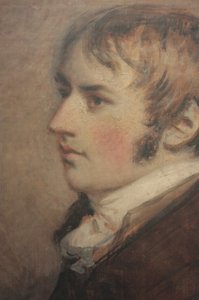
1776–1837, Birleşik Krallık
John Constable
Erken Yaşam, Aile ve Eğitim John Constable, 1776 yılında Suffolk'un East Bergholt köyünde dünyaya geldiğinde, kaderinin fırça darbeleriyle şekilleneceğinden henüz habersizdi. Golding ve Ann (Watts) Constable'ın ikinci oğlu olarak dünyaya gelen sanatçının babası, Flatford Mill'in sahibi olan varlıklı bir tahıl ve kömür tüccarıydı. Nehirle olan bu derin bağ ve yerel ticaretin dinamizmi, suyun ritmi ile malların hareketinin evin günlük yaşamının ayrılmaz bir parçası olması anlamına geliyordu. Yaklaşık 1792 yıllarında aile işinde çalışmaya başlayan Constable, yolu tuvale dönmeden önce tahıl ticaretinin pratik inceliklerini öğrenerek hayatın gerçek yüzüyle tanıştı.
John Constable Hakkında John Constable tarafından yapılmış öne çıkan eserler
John Constable tarafından yapılan diğer eserler
 Saman Yığını1821
 Piskopos Bahçeleri'nden Salisbury Katedrali Manzarası1823
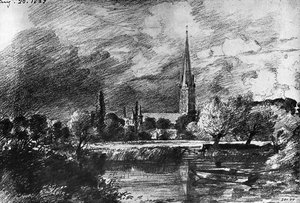 Salisbury Katedrali
 Saman Arabası (detay)1821

East Bergholt üzerine denemeler
 The Language of Brushstrokes: How Texture and Technique Reveal the Soul of ArtDiscover the profound connection between texture and emotion in Impressionist art. Explore how masterful brushstrokes by Renoir and Monet c…
 25 Must-See Masterpieces at the Yale Center for British ArtExplore 25 iconic British masterpieces from Turner to Hogarth. Discover museum-quality art at OriginalUniqueArt.com.
 Mastering the English Landscape: The Top 25 Artworks by John ConstableImmerse yourself in the soul of the English countryside with our curated guide to John Constable's top 25 masterpieces. Explore the emotive…