Italian Renaissance · 1550
Pietà (Giulio Clovio, 1550)
Pietà, Giulio Clovio (1498–1578) tarafından yapıldı. 1550 yılına aittir. Italian Renaissance akımına aittir. Manuscript ile yapılmıştır. Floransa, İtalyadaki Galleria degli Uffizi bünyesinde korunmaktadır. Boyutları 368 × 257 cm'dir.
- 1550
- Manuscript
- 368 × 257 cm
- Galleria degli Uffizi, Floransa

 Gerçek Boyutta Önizle

 El Yapımı Yağlı Boya Tablo
 Paylaş
 Paylaş
 Bilgi formu


 İndir
 Benzer ürünler
 X-Işını
 Slayt Gösterisi
 Soru & Cevap

 İstatistikler
Pietà hakkında kısa bilgi
- Başlık
- Pietà
- Sanatçı
- Giulio Clovio (1498–1578)
- Sanatçının doğum yeri
- Grižane, Hırvatistan
- Tarih
- 1550
- Teknik
- Manuscript
- Boyutlar
- 368 × 257 cm
- Nerede görülebilir
- Galleria degli Uffizi, Floransa, İtalya
- Dönem
- Renaissance
- Konu
- virgin mary, jesus christ, religious iconography, renaissance art, classical composition, emotional depth
Pietà neyi betimliyor?
A Testament to Sorrow and Divine Grace
In the quiet, hallowed corridors of art history, few images resonate with the profound emotional gravity found in Giulio Clovio’s Pietà. Created around 1550, this masterpiece serves as a breathtaking bridge between the fading echoes of the Gothic tradition and the luminous dawn of the High Renaissance. The scene captures the quintessential moment of Christian sorrow: the Virgin Mary cradling the lifeless body of Jesus Christ following his crucifixion. It is not merely a depiction of death, but a profound meditation on compassion—the very meaning of the word Pietà. Through Clovio’s masterful hand, the heavy weight of mortality is balanced by an ethereal sense of divine grace, inviting the viewer into a space of deep, contemplative mourning.
The composition is a masterclass in Renaissance balance and narrative depth. At the heart of the work, Mary sits as a pillar of strength and grief, her blue cloak—a color traditionally symbolizing her heavenly connection—draped with a weight that mirrors her sorrow. The figure of Christ, depicted with a serene, almost peaceful countenance despite his recent agony, rests heavily in her lap, creating a poignant focal point that draws the eye through its sheer vulnerability. Surrounding this central tragedy, celestial beings and saints emerge from the shadows; angels with active, reaching gestures and observers in prayerful poses create a sense of a cosmic event unfolding. This layering of figures ensures that the viewer’s gaze wanders through a complex web of devotion, from the intimate touch of a mother to the collective mourning of the heavens.
Technique and the Radiance of Light
What truly distinguishes Clovio’s work is his unparalleled ability to manipulate light and color, a skill honed during his time as one of history's greatest manuscript illuminators. Though this piece possesses the scale and grandeur of a monumental painting, it retains the meticulous, jewel-like precision of a miniature. Clovio employed a sophisticated technique of layering translucent glazes over gold leaf, a method that allows light to penetrate the surface and reflect back, creating an inner luminosity that seems to emanate from within the figures themselves. The use of ultramarine blue, derived from the precious stone lapis lazuli, provides a depth of color that is both regal and somber, anchoring the composition in a palette of earth tones and celestial blues.
The interplay of light and shadow—chiaroscuro—is used here not just for anatomical realism, but to direct the emotional narrative. Light strikes Mary’s face from the side, carving her features out of the darkness and highlighting the subtle lines of grief and devotion. This dramatic contrast creates a sculptural quality, giving the figures a tangible presence that commands the room. For the discerning collector or interior designer, such a work offers more than mere decoration; it provides a focal point of immense character. A high-quality reproduction of this Pietà brings with it an atmosphere of timelessness and intellectual depth, making it an exquisite addition to a curated space that values historical resonance and the profound beauty of the human spirit.
Pietà adlı eseri hangi müze bünyesinde barındırmaktadır?
Galleria degli Uffizi
Floransa, İtalya
Galleria degli Uffizi'nin Tarihi ve Kökenleri İtalya'nın Floransa şehrinde yükselen Galleria degli Uffizi, sadece bir yapı değil, tarihin derinliklerinden süzülüp gelen bir mirastır. Bu köklü kurumun temelleri, 1560 yılında, binanın aslen Floransalı yöneticiler için Giorgio Vasari tarafından tasarlandığı dönemde atılmıştır. 1560 ile 1580 yılları arasında inşa edilen bu görkemli yapı, başlangıçta şehrin yönetim mekanizmalarını, çeşitli komiteleri ve kurumları tek bir merkezde toplamak amacıyla idari ofisler olarak düşünülmüştü.
 Erken Yaşam ve Floransa Başlangıçları
Sandro Botticelli, yaklaşık 1445 yılında İtalya'nın Floransa şehrinde doğan Alessandro di Mariano di Vanni Filipepi, olağanüstü bir kültürel hareketlilik dönemi - Erken Rönesans sırasında ortaya çıktı. Hayatı şehrin sSandro Botticelli, 1485
 PrimaveraSandro Botticelli, 1482
 Tiziano Vecellio
1538
Yüksek Rönesansın İkonik Güzellik ve Duygusallığı
119 x 165 cm
Rönesans
Yağlı boya
Urbino'nun Venüsü
1490
1576
Yüksek Rönesans bağlamında güzellik, arzu ve kadın bakışına güçlü bir açıklama olan Titian'ın ikonik tasviri.
UrTiziano, 1538
Pietà için yüksek çözünürlüklü görseller

Kamu malı: sanatçı 1578 yılında vefat etmiştir.
Diğer boyutlar, kırpma seçenekleri ve alıntı bilgisi →Giulio Clovio, Pietà (1550), Galleria degli Uffizi. Kamu malı.
Pietà hakkında sorular ve cevaplar
"Pietà" adlı eserin orijinali hangi müzede bulunuyor?
Giulio Clovio imzalı "Pietà", Galleria degli Uffizi, Floransa, İtalya bünyesinde sergilenmektedir. Müze bilgisi reprodüksiyonları değil, eserin orijinalini ifade eder.
Giulio Clovio imzalı "Pietà" hangi tarihte yapılmıştır?
"Pietà", 1550 yılına tarihlenmektedir. Bu tarih, eseri Giulio Clovio kariyerinin ve dönemin içerisine yerleştirmektedir.
Giulio Clovio imzalı "Pietà" hangi teknikle icra edilmiştir?
Giulio Clovio imzalı "Pietà" eserinin tekniği Manuscript kullanılarak uygulanmıştır. Çoğaltımlar, bu tekniğin görünümünü yansıtmayı amaçlamaktadır.
Orijinal "Pietà" eserinin boyutları nedir?
Orijinal Giulio Clovio imzalı "Pietà" eseri 368 x 257 cm boyutlarındadır.
"Pietà" neyi betimliyor?
Giulio Clovio imzalı "Pietà" şunları betimler: virgin mary, jesus christ, religious iconography, renaissance art, classical composition, emotional depth, medieval influence.
"Pietà" eseri kamu malı mı?
Giulio Clovio imzalı "Pietà" için telif hakkı durumu: eser kamu malıdır - telif hakkı süresi dolmuştur kapsamındadır. Bu durum, görüntünün çoğaltmalarının serbestçe yapılıp yapılamayacağını belirler.
"Pietà" adlı eser hangi sanatçıya atfediliyor?
"Pietà" eserinin sanatçısı Giulio Clovio'tir. Eser, Giulio Clovio adına kataloglanmıştır.
Giulio Clovio imzalı "Pietà" hangi sanat akımına dahil?
Giulio Clovio imzalı "Pietà" adlı eserin dahil olduğu akım Italian Renaissance akımıdır. Bu sınıflandırma, çalışmayı ilgili sanatçılar ve sanat eserleri arasında konumlandırır.
"Pietà" adlı eser, Giulio Clovio kariyerinin hangi dönemine ait?
Giulio Clovio'in kariyerinde "Pietà", Mature Period dönemine denk gelmektedir. Bu evre, eserin sanatçının diğer çalışmalarıyla kıyaslanmasına olanak tanır.
Sanatçı hakkında, Giulio Clovio

1498–1578, Hırvatistan
Giulio Clovio
İtalyan Rönesansı'nın Hırvat Aydınlanmacısı 1498 yılında Hırvatistan'ın Grižane bölgesinin dalgalı tepeleri arasında Juraj Julije Klović adıyla dünyaya gelen Giulio Clovio, el yazması minyatür sanatının Geç Gotik geleneği ile yükselen Yüksek Rönesans arasında köprü kuran kilit bir figür olarak tarihe geçmiştir. Kökenleri Hırvat Krallığı'na dayansa da, Clovio'nun sanatsayı dehası asıl İtalya'da çiçek açmış; bu sayede kendi döneminin kuşkusuz en büyük minyatür sanatçısı ve yüzyıllar öncesine uzanan bir geleneğin son önemli ustası olarak ün kazanmıştır. Onun hikayesi, olağanüstü bir yeteneğin, akıllıca seçilmiş himayelerin ve minyatürü nefes kesici derecede sofistike bir sanat formuna dönüştürmeye yönelik sarsılmaz bir tutkunun öyküsüdür. Clovio'nun yaşamının ilk yılları bazı gizemlerle örtülüdür.
Giulio Clovio Hakkında Giulio Clovio tarafından yapılmış öne çıkan eserler
Giulio Clovio tarafından yapılan diğer eserler
 The Rape of Ganymede
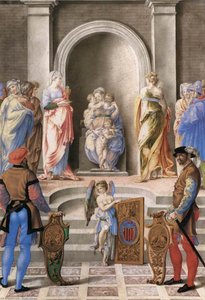 The Three Theological Virtues
 Holy Family with Santa Isabel and San Juanito1556
 Pages from the Farnese Hours1538
Pietà üzerine denemeler
 Masterpieces of Giotto: The Top 25 Essential Artworks of the Renaissance PioneerExplore Giotto's greatest masterpieces and his role in the Renaissance. Discover the full collection online at OriginalUniqueArt.com.
 Mastering Color and Light: The Timeless Brilliance of Titian's Venetian MasterpiecesExplore the luminous mastery of Titian. Discover how the Venetian master revolutionized color and light through breathtaking Renaissance te…
 Michelangelo Buonarroti: A Renaissance Titan – Life, Works & Enduring LegacyExplore the life, works & enduring legacy of Michelangelo Buonarroti, a Renaissance titan. Discover his iconic sculptures, frescoes, and ar…