Baroque Landscape
Landscape (Gillis Van Coninxloo)
Landscape, Gillis Van Coninxloo (1544–1607) tarafından yapıldı. Baroque Landscape akımına aittir. Oil On Copper ile yapılmıştır. Madrid, İspanyadaki Museo del Prado bünyesinde korunmaktadır. Boyutları 24 × 19 cm'dir.
- Oil On Copper
- 24 × 19 cm
- Museo del Prado, Madrid

 Gerçek Boyutta Önizle

 El Yapımı Yağlı Boya Tablo
 Paylaş
 Paylaş
 Bilgi formu


 İndir
 Benzer ürünler
 X-Işını
 Slayt Gösterisi
 Soru & Cevap

 İstatistikler
Landscape hakkında kısa bilgi
- Başlık
- Landscape
- Sanatçı
- Gillis Van Coninxloo (1544–1607)
- Sanatçının doğum yeri
- Anvers, Belçika
- Teknik
- Oil On Copper
- Boyutlar
- 24 × 19 cm
- Nerede görülebilir
- Museo del Prado, Madrid, İspanya
- Konu
- landscape, flemish style, baroque art, forest scene, castle architecture, atmospheric perspective
Landscape neyi betimliyor?
A Flemish Master’s Woodland Reverie: Gillis van Coninxloo's “Landscape”
Gillis van Coninxloo’s “Landscape,” a captivating oil on copper panel, transports the viewer to a realm of serene contemplation within a meticulously rendered Flemish forest. Painted around 1598, this work stands as a pivotal example of the artist’s mastery in capturing the atmospheric depth and intricate detail characteristic of the early 16th-century Golden Age. More than just a depiction of nature, it's an invitation to lose oneself within a carefully constructed world of light, shadow, and subtle symbolism – a testament to van Coninxloo’s profound understanding of both landscape painting and the human experience.
The scene unfolds before us with remarkable realism. A dense thicket of trees dominates the foreground, their leaves rendered with an almost obsessive attention to detail; each vein, each curl of bark, is painstakingly observed and faithfully reproduced. These trees aren’t merely static elements; they create a palpable sense of depth, drawing the eye into the heart of the forest. Beyond them, a modest collection of buildings – likely farmhouses or small dwellings – nestles amongst the foliage, suggesting a quiet rural existence. The architecture is understated yet solid, reflecting a pragmatic approach to building within this natural setting. In the distance, a formidable castle rises above the horizon, its imposing silhouette anchoring the composition and hinting at notions of power, protection, and perhaps even isolation.
The Alchemy of Light and Shadow: Technique and Style
Van Coninxloo’s technical skill is immediately apparent in his masterful use of oil on copper. This medium allowed for a remarkable level of detail and luminosity – the surface retains a subtle sheen that enhances the richness of the colors and creates an almost three-dimensional effect. The artist employs a technique known as “chiaroscuro,” skillfully manipulating light and shadow to sculpt the forms and create a dramatic sense of depth. Notice how the sunlight filters through the trees, dappling the ground in pools of brightness while simultaneously casting deep shadows beneath the foliage. This interplay of light and dark isn’t merely decorative; it imbues the scene with a palpable atmosphere – a feeling of both tranquility and mystery.
Stylistically, “Landscape” aligns itself with the Flemish tradition of landscape painting, yet van Coninxloo departs from some of the more rigid conventions of the time. While influenced by the Northern Mannerist style—characterized by its emphasis on detail and symbolic imagery—he introduces a greater sense of naturalism and emotional resonance. The composition is carefully balanced, creating a harmonious whole that invites contemplation. The muted color palette – dominated by greens, browns, and grays – contributes to the overall feeling of serenity and timelessness.
A Window into 16th-Century Life and Belief
To fully appreciate “Landscape,” it’s important to consider its historical context. Painted during a period of religious upheaval and political instability in the Netherlands, this work reflects both the anxieties and the enduring values of the era. The castle, for instance, can be interpreted as a symbol of authority – whether representing secular power or divine protection. The humble dwellings nestled within the forest suggest a connection to the land and a reverence for rural life. Furthermore, the dense woodland itself has long been associated with themes of solitude, introspection, and the spiritual realm.
Interestingly, this painting was originally housed in the Museo del Prado in Madrid, Spain, a testament to its enduring appeal across national boundaries. The artist’s biography reveals a fascinating journey – from Antwerp to Germany and eventually Amsterdam—reflecting the shifting political landscape of the time. His work served as a bridge between artistic styles, incorporating elements of Mannerism while embracing the burgeoning realism of the Dutch Golden Age.
A Timeless Masterpiece: Reproduction and Inspiration
Reproductions of “Landscape” capture only a fraction of its original impact. The subtle nuances of light, texture, and atmosphere are difficult to replicate fully, but OriginalUniqueArt’s hand-painted reproductions strive to honor the artist's vision with remarkable fidelity. This piece offers an exceptional opportunity for interior designers seeking to evoke a sense of tranquility and connection to nature – imagine it adorning a study or a living room, providing a focal point that invites contemplation. Collectors will find “Landscape” to be a valuable addition to any art collection, representing a significant moment in the history of Flemish landscape painting.
For further exploration, we encourage you to visit the linked resources:
Landscape adlı eseri hangi müze bünyesinde barındırmaktadır?
Museo del Prado
Madrid, İspanya
Museo del Prado'nun Tarihi Museo del Prado'nun kökenleri, izlerini 18. yüzyıla kadar süren İspanya Kraliyet Koleksiyonu'na dayanmaktadır. VII.


Landscape için yüksek çözünürlüklü görseller
Kamu malı: sanatçı 1607 yılında vefat etmiştir.
Gillis Van Coninxloo, Landscape, Museo del Prado. Kamu malı.
Landscape hakkında sorular ve cevaplar
Gillis Van Coninxloo imzalı "Landscape" eseri bugün nerede sergileniyor?
Orijinal Gillis Van Coninxloo imzalı "Landscape", Museo del Prado, Madrid, İspanya bünyesinde bulunmaktadır. Bir reprodüksiyon, eserin evde sergilenmesine olanak tanır.
Gillis Van Coninxloo imzalı "Landscape" eserinde hangi teknik kullanıldı?
Gillis Van Coninxloo imzalı "Landscape" eserinin tekniği Oil On Copper kullanılarak uygulanmıştır. Çoğaltımlar, bu tekniğin görünümünü yansıtmayı amaçlamaktadır.
Orijinal "Landscape" eserinin boyutları nedir?
Gillis Van Coninxloo imzalı "Landscape" eserinin kayıtlı boyutları 24 x 19 cm şeklindedir. Reproduksiyonlar, aynı oranlar korunarak diğer boyutlarda sipariş edilebilir.
Gillis Van Coninxloo imzalı "Landscape" neyi betimliyor?
Gillis Van Coninxloo imzalı "Landscape" şunları betimler: landscape, flemish style, baroque art, forest scene, castle architecture, atmospheric perspective, detailed rendering.
"Landscape" eseri kamu malı mı?
Gillis Van Coninxloo imzalı "Landscape" için telif hakkı durumu: eser kamu malıdır - telif hakkı süresi dolmuştur kapsamındadır. Bu durum, görüntünün çoğaltmalarının serbestçe yapılıp yapılamayacağını belirler.
"Landscape" eserinin yaratıcısı kim?
"Landscape" adlı eserin Gillis Van Coninxloo tarafından yapıldığı düşünülmektedir.
Gillis Van Coninxloo imzalı "Landscape" hangi sanat akımına dahildir?
"Landscape", Baroque Landscape akımına ait bir eserdir. Bu akım, eserin dahil olduğu sanatsal geleneği ifade eder.
"Landscape" adlı eser, Gillis Van Coninxloo kariyerinin hangi dönemine ait?
"Landscape", Gillis Van Coninxloo sanatçısının Late Baroque dönemini temsil etmektedir."
Gillis Van Coninxloo imzalı "Landscape" adlı eser kamu malı mıdır ve neden?
Gillis Van Coninxloo imzalı "Landscape" adlı eser kamu malıdır - telif hakkı süresi dolmuştur statüsündedir. Telif hakları süresi sanatçının ölüm tarihinden itibaren hesaplanmaktadır ve Gillis Van Coninxloo, 1607 yılında vefat etmiştir.
Sanatçı hakkında, Gillis Van Coninxloo
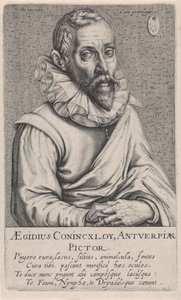
1544–1607, Belçika
Gillis Van Coninxloo
Yeşil Dünyanın Ustası Gillis Van Coninxloo, karmaşık Maniyerist gelenekler ile erken Barok döneminin filizlenen atmosferik derinliği arasında hayati bir köprü görevi görerek, Kuzey peyzaj sanatı evriminde kilit bir figür olarak öne çıkar. Belçika'nın Anvers kentinde doğan sanatçının yaşamı, Alçak Topraklar'ın zengin sanatsal mirasıyla derinden iç içe geçmiştir. Bir ressamın oğlu olarak, zanaatkârlığın ve doğal gözlemin her şeyin üzerinde tutulduğu bir dünyada yetişmiştir. Pieter Coecke van Aelst'in Oğlu ve Lenaert Kroes gibi ustaların yanında aldığı ilk eğitim ona sağlam bir temel kazandırmış; ancak yeteneğinin asıl çiçek açmasını sağlayan, Gillis Mostaert'in atölyesinde geçirdiği süre olmuş, bu sayede hem profesyonel çalışmalara katkıda bulunmuş hem de kendine özgü vizyonunu geliştirmiştir.
Gillis Van Coninxloo Hakkında Gillis Van Coninxloo tarafından yapılmış öne çıkan eserler
Gillis Van Coninxloo tarafından yapılan diğer eserler
 Jonah Preaching to the Ninevites1583
 Woodland with Saint Jerome1583
 Landscape with the judgment of Midas1598
 Landscape with the Judgement of Paris1610
Landscape üzerine denemeler
 Masterpieces of Jan van Goyen: Top 25 Iconic Dutch LandscapesExplore 25 iconic Jan van Goyen landscapes from the Dutch Golden Age. Discover these tonal masterpieces on OriginalUniqueArt.com.
 Chiaroscuro & Shadows: The High-Impact Power of Moonlight in Masterpiece LandscapesMaster the drama of chiaroscuro and moonlight in classical landscapes. Explore the power of light and shadow now.
 Masterpieces of Nature: The Top 25 Artworks by Jacob van RuisdaelExplore 25 iconic Jacob van Ruisdael landscapes. Discover the soul of Dutch Golden Age art. Explore the full collection online at OriginalU…