German Expressionism · 1914
Fighting Forms (Franz Marc, 1914)
Fighting Forms, Franz Marc (1880–1916) tarafından yapıldı. 1914 yılına aittir. German Expressionism akımına aittir. Oil On Canvas ile yapılmıştır. Münih, Almanyadaki Bayerische Staatsgemaldesammlungen bünyesinde korunmaktadır. Boyutları 91 × 131 cm'dir.
- 1914
- Oil On Canvas
- 91 × 131 cm
- Bayerische Staatsgemaldesammlungen, Münih

 Gerçek Boyutta Önizle

 El Yapımı Yağlı Boya Tablo
 Paylaş
 Paylaş
 Bilgi Formu


 İndir
 Benzer ürünler
 X-Işını
 Slayt Gösterisi
 Soru & Cevap

 İstatistikler
Fighting Forms hakkında kısa bilgi
- Başlık
- Fighting Forms
- Sanatçı
- Franz Marc (1880–1916)
- Sanatçının doğum yeri
- Münih, Almanya
- Tarih
- 1914
- Teknik
- Oil On Canvas
- Boyutlar
- 91 × 131 cm
- Sergilendiği yerler
- Bayerische Staatsgemaldesammlungen, Münih, Almanya
- Konu
- expressionism, conflict, red, black, animals, anxiety
Fighting Forms neyi betimliyor?
A Symphony of Conflict: Unpacking the Power of Franz Marc’s *Fighting Forms*
Franz Marc's 1914 painting, *Fighting Forms*, isn’t merely a visual representation; it’s an intensely felt experience. Created during a period of escalating anxieties surrounding the impending First World War, this work embodies the core tenets of Expressionism – a movement dedicated to conveying subjective emotions and inner turmoil rather than objective reality. Marc, a founding member of Der Blaue Reiter, sought to capture not just what he saw, but how he *felt*, channeling his spiritual concerns into a language of vibrant color and dynamic form. The painting immediately confronts the viewer with a swirling vortex of red and black, hues that instinctively evoke danger, struggle, and perhaps even death. Yet, within this apparent chaos lies a profound sense of yearning – a desperate plea for understanding amidst the looming darkness.
- The Palette of Emotion: Marc’s masterful use of color is paramount. The dominant reds represent aggression, violence, and the destructive forces threatening to consume humanity. These fiery tones are juxtaposed with the darker blacks and browns, symbolizing the unknown, the unconscious, and the inevitable consequences of conflict.
- Animal as Symbol: As a lifelong devotee of the animal kingdom, Marc frequently employed them as symbolic figures in his work. While not explicitly depicted here, the forms themselves suggest a primal struggle – a dance between predator and prey, life and death. This connection to the natural world provides a grounding element within the painting’s emotional intensity.
Deconstructing Abstract Forms: A Language of Tension
The composition of *Fighting Forms* is deliberately abstract, eschewing realistic representation in favor of conveying raw emotion. The swirling shapes aren't meant to depict specific objects or figures; instead, they embody the very essence of conflict – a chaotic interplay of opposing forces. Marc’s brushwork is loose and gestural, emphasizing movement and energy over precise detail. Notice how the lines seem to vibrate with an almost palpable tension, mirroring the anxieties of the era. The painting feels less like a static image and more like a captured moment of intense emotional upheaval – a visual representation of a battle waged not just on the battlefield, but within the human psyche.
Technique & Materials: Executed in oil on canvas, Marc’s technique is characterized by bold strokes and an expressive application of paint. The layering of colors creates depth and dynamism, while the loose brushwork contributes to the painting's overall sense of movement and urgency.Historical Context: A Precursor to War
To fully appreciate *Fighting Forms*, it’s crucial to understand its creation within the context of 1914. Europe was teetering on the brink of war, and Marc, like many artists of his time, felt a deep sense of foreboding. His work reflects this anxiety – not through explicit depictions of warfare, but through an exploration of the underlying emotions that fueled it: fear, uncertainty, and the potential for destruction. *Fighting Forms* can be seen as a visual meditation on the fragility of peace and the ever-present threat of violence. It’s a poignant reminder of how art can serve as a powerful reflection of its time.
A Legacy of Emotional Resonance
Franz Marc's *Fighting Forms* remains a profoundly moving work of art, continuing to resonate with viewers over a century later. Its abstract forms and emotionally charged colors capture the anxieties of a turbulent era while simultaneously offering a glimpse into the artist’s deeply held spiritual beliefs. Reproductions of this powerful painting offer an opportunity to bring its intensity into any space, prompting contemplation on themes of conflict, spirituality, and the enduring human condition. Consider how the vibrant hues might transform a room – injecting it with a sense of urgency and introspection.
Fighting Forms adlı eseri hangi müze bünyesinde barındırmaktadır?
Bayerische Staatsgemaldesammlungen
Münih, Almanya
Bayerische Staatsgemaldesammlungen Tarihi Bayerische Staatsgemaldesammlungen'in kökleri, 1799 yılında Centralgemäldegaleriedirektion'in kurulmasıyla atılmıştır. Almanya'nın Münih şehrinde yer alan bu kurum, başlangıçta kraliyet koleksiyonları için ayrılmış, özenle seçilmiş bir mekan olarak doğmuştur. Bu erken dönem amacı, sanatın günümüzdeki kamusal bir kaynak haline gelmeden önce, soyluların özel alanlarında korunduğu bir dönemi yansıtmaktadır.


Fighting Forms için yüksek çözünürlüklü görseller

Kamu malı: sanatçı 1916 yılında vefat etmiştir.
Diğer boyutlar, kırpma seçenekleri ve alıntı bilgisi →Franz Marc, Fighting Forms (1914).
Franz Marc (1880–1916), Fighting Forms, 1914, oil on canvas, Bayerische Staatsgemaldesammlungen, Münih, Almanya. Kamu malı. Görsel: OriginalUniqueArt.com.
Fighting Forms hakkında sorular ve cevaplar
Orijinal Franz Marc imzalı "Fighting Forms" eserini nerede görebilirim?
"Fighting Forms" eserinin orijinalini Bayerische Staatsgemaldesammlungen, Münih, Almanya bünyesinde görebilirsiniz.
"Fighting Forms" hangi yıl yapıldı?
Franz Marc imzalı "Fighting Forms" eserinin yapım tarihi 1914 olarak kaydedilmiştir.
"Fighting Forms" hangi teknikle yapılmıştır?
Franz Marc imzalı "Fighting Forms" eserinin tekniği Oil On Canvas kullanılarak uygulanmıştır. Çoğaltımlar, bu tekniğin görünümünü yansıtmayı amaçlamaktadır.
Orijinal Franz Marc imzalı "Fighting Forms" eserinin boyutları nedir?
"Fighting Forms" adlı eserin orijinal boyutları 91 x 131 cm ölçülerindedir. Orijinal boyutlar, bir reprodüksiyon boyutu seçerken yararlı bir referans niteliğindedir.
Franz Marc imzalı "Fighting Forms" eserinde hangi konular işleniyor?
Franz Marc imzalı "Fighting Forms" eserinde yer alan temalar expressionism, conflict, red, black, animals, anxiety, war, forms unsurlarını içermektedir. Bunlar birlikte, eserin konu içeriğini özetlemektedir.
Franz Marc imzalı "Fighting Forms" eserinin görüntüsü serbestçe çoğaltılabilir mi?
Telif hakkı açısından, "Fighting Forms" eseri kamu malıdır - telif hakkı süresi dolmuştur statüsündedir.
"Fighting Forms" adlı eser hangi sanatçıya atfediliyor?
"Fighting Forms" adlı eserin Franz Marc tarafından yapıldığı düşünülmektedir.
Franz Marc imzalı "Fighting Forms" hangi sanat akımına dahil?
"Fighting Forms", German Expressionism akımına ait bir eserdir. Bu akım, eserin dahil olduğu sanatsal geleneği ifade eder.
"Fighting Forms" adlı eser, Franz Marc kariyerinin hangi dönemine ait?
"Fighting Forms", Franz Marc sanatçısının Late Period dönemini temsil etmektedir."
Sanatçı hakkında, Franz Marc

1880–1916, Almanya
Franz Marc
Erken Yaşam, Aile ve Eğitim Franz Marc, Almanya'nın Münih kentinde, manzara resminin görsel dilinin halihazırda köklü bir yer edindiği bir evde dünyaya geldi. Babası Wilhelm Marc'ın profesyonel bir manzara ressamı olması, sanatın işleyişine dair, tam olarak kesin olmasa da doğrudan bir giriş imkanı sağladı. Bu ailevi bağ, sanatın araçlarının en başından itibaren hayatında yer alması anlamına geliyordu; ancak Marc'ın yolu, mirastan tuvale uzanan düz bir çizgi değildi. Resim sanatına kendini adamadan önce, teoloji ile uğraştığı bir dönem geçirdi; bu ruhsal arayış dönemi, daha sonra görsel üretiminin yoğunluğunu belirleyen temel unsur olacaktı.
Franz Marc Hakkında Franz Marc tarafından yapılmış öne çıkan eserler
Franz Marc tarafından yapılan diğer eserler
 Mavi At I1911
 isimsiz (4325)
 Büyük Mavi Atlar1911
 Tirolo1914
Fighting Forms üzerine denemeler
 The Visceral Language of Emotion: Exploring Representations of Intense Feeling in Art HistoryExplore the profound history of emotional representation in art. Discover how masters like Goya evoked feeling & the impact of affect theor…
 25 Masterpieces by Franz Marc: The Soul of German ExpressionismFranz Marc co-founded the Blue Rider movement in Munich. See 25 works including The Large Blue Horses and Tyrol from the era of Expressioni…
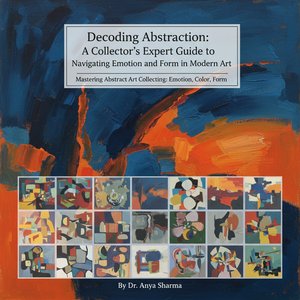 Beyond Representation: Decoding Emotion and Meaning in Modern Abstract ArtExplore the profound world of Abstract Expressionism with OriginalUniqueArt. Discover its history, emotional power & key artists like Pollo…