

 Önizleme yap
 Paylaş
 Paylaş
 Detayları Gör

 İndir
İndir
 Benzerlerini gör
 X-Işını
 Slayt Gösterisi
 İstatistikler
Dance

 Tümünü Gör
Giclée / Sanat Baskısı
Hızlı üretim ve esnek bitiş seçenekleriyle müze kalitesinde giclée veya kanvas baskı. ( El yapımı tablo satın al Dijital Görsele Geç)




































Eserin orijinal oranlarıyla uyumlu, önceden belirlenmiş boyutlarımız arasından seçim yapın.

Belirli bir çerçeveye veya alana uyması için kendi ölçülerinizi girebilirsiniz. Seçtiğiniz boyut orijinal görüntünün oranlarıyla eşleşmiyorsa, sanat eserini kırpacağız veya görüntüyü aynalanmış ya da düz dolgulu bir kenarlıkla genişleteceğiz. Üretim başlamadan önce onayınız için bir dijital taslak gönderilecektir.
Lütfen ekrandaki önizlemenin gerçek kırpma veya genişletmeyi yansıtmadığını unutmayın. Nihai kompozisyonu yalnızca taslak doğru bir şekilde gösterecektir.
Özel boyutlar mevcut olsa da, orijinal oranları korumak için önceden tanımlanmış listeden bir boyut seçmenizi öneririz.
Dünya Çapında Teslimat (); standart 4/5 hafta yerine 2 haftada. (14 Eylül)

Dünya Çapında Ücretsiz Ekspres Kargo

Yüksek Kaliteli Keten Tuval

Tam Kapsamlı Nakliye Sigortası

Gümrük Vergisi İade Garantisi

Gerçek Renk Uyumu Garantisi

100 Günlük İade Politikası (Sadece Kusurlu Ürünler İçin)

%100 Para İade Garantisi

Toplu Alım İndirimi
 Cam seçeneği yalnızca 110 cm altındaki boyutlar için mevcuttur.

Dance
Giclée / Sanat Baskısı
Reproduksiyon Boyutu
-


Toplam Tutar
$ 80
A Dance Amongst Floral Echoes: Exploring Alphonse Mucha’s “The Slavonic Uprising”
Alphonse Maria Mucha stands as an undisputed icon of Art Nouveau, a movement that sought to transcend the rigid formalism of Victorian aesthetics and embrace organic beauty inspired by nature. His canvases pulsate with fluidity, adorned with intricate floral motifs and stylized figures—a visual language that continues to captivate audiences today. “The Slavonic Uprising,” completed in 1897, exemplifies Mucha’s mastery of this distinctive style and offers a profound glimpse into the artistic currents shaping late nineteenth-century Bohemia.Stylistic Flourishes: The Art Nouveau Aesthetic Embodied
Mucha's approach to painting wasn’t merely decorative; it was fundamentally expressive. He rejected academic conventions, prioritizing instead a dynamic interplay between line and color—elements that coalesce to convey emotion and movement. “The Slavonic Uprising” showcases this brilliantly. Thick, curving lines dominate the composition, delineating the female figure at its center and swirling around her like ribbons of silk. These lines aren’t simply outlines; they embody the spirit of rebellion and aspiration inherent in the uprising itself—a visual metaphor for the yearning for freedom that characterized Slavic nationalism during the period. The color palette is dominated by muted golds and creams, punctuated by splashes of crimson and violet—colors traditionally associated with courage and passion.Technique and Material: Lithograph Precision
The artwork’s remarkable detail and tonal subtlety are achieved through a masterful application of lithographic printing techniques. Mucha collaborated closely with printer Josef Králík to produce this stunning poster, ensuring that every nuance of his artistic vision was faithfully reproduced. Lithography allowed for the creation of multiple prints from a single stone etching—a process favored by Art Nouveau artists who valued both aesthetic beauty and accessibility. The resulting image possesses an ethereal quality, capturing the luminescence of candlelight and conveying a sense of timeless elegance. Careful consideration was given to paper selection; a textured stock was chosen to enhance the visual impact and contribute to the artwork’s tactile appeal.Historical Context: Nationalism and Artistic Innovation
“The Slavonic Uprising” emerged during a pivotal moment in Czech history—the Slavonic Uprising of 1897, an attempt to overthrow Austro-Hungarian rule and establish an independent Czechoslovak state. Mucha skillfully blended nationalist symbolism with the stylistic conventions of Art Nouveau, creating a visual manifesto for the movement’s ideals. The central figure represents idealized femininity—a symbol of Slavic virtue and resilience—while the surrounding floral elements evoke the rich cultural heritage of Bohemia. This juxtaposition underscores Mucha's belief that art could serve as a vehicle for social commentary and political engagement.Symbolic Resonance: Flowing Lines, Radiant Color
Beyond its historical significance, “The Slavonic Uprising” resonates with deeper symbolic meanings. The flowing lines represent the unstoppable force of aspiration and the transformative power of change—themes central to both Art Nouveau philosophy and Slavic nationalist sentiment. Similarly, the radiant color palette conveys optimism and vitality—affirming the belief that beauty could inspire courage and fortitude. Mucha’s deliberate use of visual metaphors elevates the artwork from mere decoration to a profound meditation on identity, freedom, and artistic expression.Emotional Impact: Elegance and Yearning
Ultimately, “The Slavonic Uprising” succeeds in evoking a powerful emotional response—one characterized by elegance, yearning, and an undeniable sense of wonder. The viewer is drawn into Mucha’s meticulously crafted world, where beauty reigns supreme and movement embodies the spirit of rebellion. It remains a testament to Mucha's artistic genius and a captivating exemplar of Art Nouveau’s enduring legacy.Sanatçı Özgeçmişi
Erken Yaşam ve Eğitim
- Doğum: 15 Temmuz 1860'ta Ivanačice, Moravya (günümüzde Çek Cumhuriyeti)'nde doğdu.
- Küçük yaşlardan itibaren sanatsal yetenekler sergiledi.
- Prag Güzel Sanatlar Akademisi’nde okudu ancak geleneksel yaklaşımlardan tatmin olmadı.
- Kendi stilini geliştirmek için 1887'de Paris'e taşındı.
Sanatsal Stil ve Önemli Eserler
- Akışkan çizgileri, organik formları ve hareket hissi ile karakterize kendine özgü Art Nouveau stiliyle tanınır.
- Pierre-Auguste Renoir ve Gustave Moreau gibi sanatçılardan etkilendi.
- Önemli Eserler:
- Slav Kalkışması - Geleneksel Çek motiflerini modern Art Nouveau unsurlarıyla birleştiren bir eserdir.
- Salon des Cent
- Gustave Moreau'nun Tespio’nun Kızları ve Piero Dorazio'nun La Ribambelle des Gobelins gibi eserlerinden ilham alan tablolar.
- Sir Hubert von Herkomer'in Genç Çiftçilerin Keten Ayıklaması eseri temelinde oluşturulan illüstrasyonlar.
- Lüks çiçeklerle çevrili, akışkan elbiseler giymiş idealize edilmiş kadın figürlerini sıklıkla resmetti.
Kariyerin Önemli Anları ve Büyük Siparişler
- Sarah Bernhardt İşbirliği: 1894'te Gismonda afişiyle başlayan, aktris Sarah Bernhardt için posterler ve tasarımlar yarattı. Bu işbirliği kariyerini başlattı.
- Paris Evrensel Sergisi (1900): Art Nouveau stili bu sergide uluslararası tanınma kazandı. Bosna-Hersek Pavyonunu dekore etti ve Avusturya Pavyonu’nda işbirliği yaptı.
- Charles Richard Crane Desteği: Charles Richard Crane'in desteğini alarak, Slav tarihini anlatan devasa bir seri olan Slav Destanı (1912-30) serisini oluşturmasını sağladı.
- Bağımsız Çekoslovakya Dönemi: Yeni bağımsız Çekoslovakya için posta pulları, banknotlar ve devlet belgeleri tasarladı.
Etkileri ve Mirası
- Çek sanatsal geleneklerinden ve modern Avrupa sanat akımlarından etkilendi.
- Eşsiz stili, Art Nouveau ve Secessionizm’de gelecek nesil sanatçılar için yol açtı.
- Eva Prokopcová gibi diğer sanatçıları etkiledi.
- Mirası sadece sanat eserleriyle sınırlı kalmayıp tasarım ve estetiği de etkilemiştir.
Son Yılları ve Ölümü
- 1906'da Maruska (Marie/Maria) Chytilová ile evlendi.
- Kızları Jaroslava, 1906-1910 yılları arasında Amerika Birleşik Devletleri ziyaretleri sırasında doğdu.
- 14 Temmuz 1939'da Çekoslovakya’nın Prag şehrinde vefat etti.

Alphonse Mucha
1860 - 1939 , Çek Cumhuriyeti
Kısa Bilgiler
- Bu Sanatçıdan Etkilenenler: ['Eva Prokopcová']
- Doğum Tarihi: 15 Temmuz 1860
- Doğum Yeri: Brno, Çek Cumhuriyeti
- Etkilendiği Sanatçılar:
- Pierre-Auguste Renoir
- Gustave Moreau
- Sanatsal Akım: Art Nouveau
- Tam Adı: Alphonse Maria Mucha
- Uyruğu: Çek
- Ölüm Tarihi: 1939
- Önemli Eserleri:
- Slav Uyanışı
- Salon des Cent
İlgili Makaleler
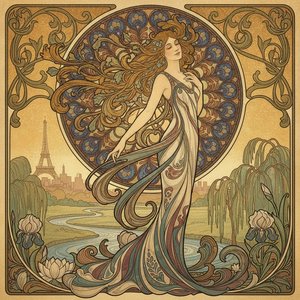
The Elegance of Art Nouveau: Embracing Nature's Fluid Beauty and the Belle Époque Spirit
Discover the enchanting world of Art Nouveau. Explore the organic beauty, flowing lines, and Belle Époque elegance that defined an era of unparalleled craftsmanship and natural inspiration.

The Enduring Power of Illustration: A Historical Survey of Narrative Art & Visual Storytelling
Explore the rich history of illustration! From ancient cave paintings to Art Nouveau masterpieces, discover how visual storytelling has shaped culture. Expert insights & stunning examples.
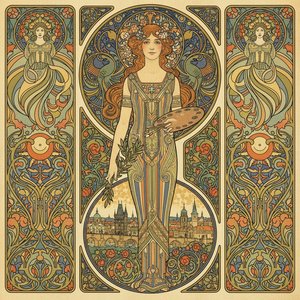
Alphonse Mucha: A Comprehensive Exploration of Art Nouveau's Master of Decorative Symbolism
Explore the life & art of Alphonse Mucha, master of Art Nouveau! Discover his iconic posters, stunning illustrations, and the monumental Slav Epic. A comprehensive guide for collectors & enthusiasts.
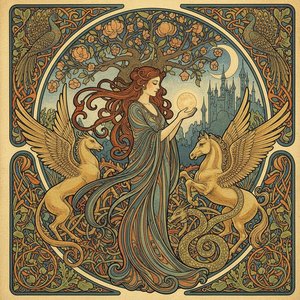
Edmund Dulac: A Master of Golden Age Illustration – Exploring Myth, Symbolism & Art Nouveau Legacy
Explore the captivating world of Edmund Dulac, a master of Golden Age illustration! Discover his enchanting fairy tales, Art Nouveau style, and lasting influence on art & design. Learn about *The Rubaiyat* and more.
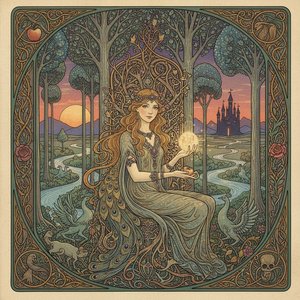
Kay Rasmus Nielsen: A Golden Age Illustrator's Enchanting Legacy of Symbolism & Narrative
Explore the captivating world of Kay Rasmus Nielsen, a celebrated Golden Age illustrator renowned for his Art Nouveau fairy tale art & Disney contributions. Discover his unique style, enduring legacy, and how to collect his enchanting works.