

Transylvania University’s Monroe Moosnick Medical & Science Museum: A Window into Kentucky’s Intellectual Past
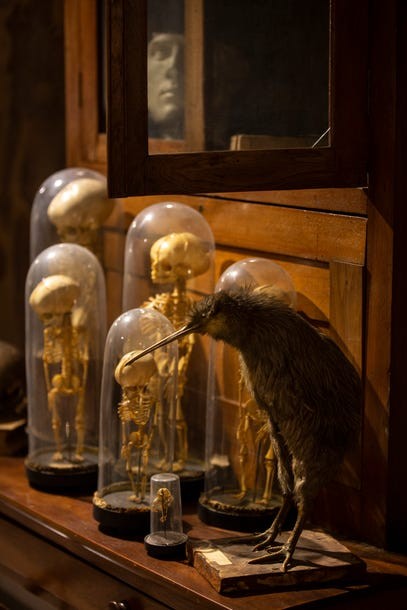
The Monroe Moosnick Medical & Science Museum stands as a singular testament to Transylvania University's enduring legacy—a repository of Victorian scientific curiosity and artistic devotion nestled within the campus’s historic heart. Founded in 1780, this institution wasn’t merely established; it was conceived as a beacon of enlightenment amidst the wilderness frontier, attracting scholars and innovators eager to forge new paths of knowledge. Today, visitors embark on a journey through meticulously preserved artifacts that illuminate the intellectual fervor of the 19th century—a period defined by groundbreaking discoveries in anatomy, botany, and illuminated manuscripts.- Collection Highlights: The museum’s core comprises an impressive assemblage of anatomical models crafted with painstaking detail, reflecting the burgeoning understanding of human physiology during a time when dissection was considered both vital for medical advancement and fraught with ethical debate. Alongside these anatomical wonders are scientific instruments—ranging from refracting telescopes to microscopes—each bearing witness to the relentless pursuit of empirical observation. Perhaps most captivating is the botanical art collection: exquisitely rendered watercolors depicting flora native to Kentucky and beyond, demonstrating not only artistic skill but also a commitment to documenting the natural world with scientific precision.
- Architectural Context: Situated within Transylvania University’s campus, the museum benefits from an environment steeped in tradition. While specific architectural details remain understated—a deliberate choice honoring the university's heritage—the building itself is integrated seamlessly into the broader landscape of Old Morrison and other venerable structures, fostering a contemplative atmosphere conducive to scholarly reflection.
- A Dramatic Chapter: The museum’s history isn’t solely defined by its collections; it gained international notoriety in 2004 following a daring heist—the theft of Audubon folios from the Rare Books & Manuscripts section. This audacious act underscored the museum's significance as a custodian of cultural treasures and fueled speculation about the motivations behind the crime, adding an element of intrigue to its narrative.
- Ongoing Renovations: Currently undergoing renovations aimed at enhancing accessibility and preserving fragile materials, the museum welcomes visitors with updated information regarding access hours. These efforts reaffirm Transylvania University’s commitment to safeguarding its intellectual heritage for future generations.
What distinguishes the Monroe Moosnick Medical & Science Museum is its unwavering focus on representing a pivotal era in scientific and artistic endeavor—a time when observation, experimentation, and aesthetic sensibility converged to shape our understanding of both humanity and nature. Its connection to Transylvania University’s distinguished history and the captivating tale of the Audubon folios elevates it beyond a mere collection of objects; it becomes a portal into Kentucky's cultural past.
- Notable Alumni: Transylvania University has nurtured generations of influential figures, including two U.S. Vice Presidents—Aaron Burr and John Tyler—who exemplify the institution’s commitment to fostering leadership and intellectual rigor.