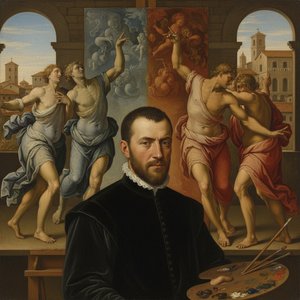
A Journey Through Sienese Art & History: Exploring the Palazzo Arcivescovile
Nestled within the heart of Siena, Italy, the Palazzo Arcivescovile stands as a magnificent testament to centuries of artistic and religious evolution. More than just a palace, it’s a living chronicle of Sienese identity, a place where Gothic grandeur intertwines with profound spiritual significance. A visit here isn't merely a tour through rooms; it’s an immersion into the very soul of Tuscany, offering a rare glimpse into the lives and legacies of archbishops, artists, and the city itself.
The Palazzo’s story begins long before its current form, rooted in the Roman settlement of Saena Iulia. Over time, it evolved through various iterations – from a simple canon residence to the imposing structure we see today, largely shaped by the vision of Pope Alexander VII in the 17th century. This transformation reflects Siena's rise as a powerful banking center and its subsequent role within the broader Italian political landscape. The architecture itself is a captivating blend of styles; the core Gothic elements – soaring arches, intricate detailing, and imposing facades – are subtly interwoven with Baroque influences introduced during the palace’s extensive renovations.
Within its walls, the Palazzo houses an extraordinary collection that showcases the distinctive artistic traditions of Siena. The centerpiece is undoubtedly the series of Sienese paintings and sculptures, a remarkable testament to the region's flourishing art scene during the Middle Ages and Renaissance. Notably, the palace boasts a significant representation of Ambrogio Lorenzetti’s “Sposalizio della Vergine” (Betrothal of the Virgin), a masterpiece that exemplifies the early Renaissance style with its delicate figures and vibrant colors – a work deeply connected to Siena's artistic heritage. Beyond this iconic piece, visitors will encounter works by Simone Martini, Duccio di Buoninsegna, and other masters who shaped the visual language of Tuscany. The collection isn’t limited to paintings; sculptures, often imbued with religious symbolism, further enrich the experience.
Portraits of Power: The Ecclesiastical Collection
A particularly fascinating aspect of the Palazzo Arcivescovile is its remarkable collection of portraits, primarily depicting Popes and Bishops who have shaped the Archdiocese of Siena. These aren’t simply formal representations; they offer invaluable insights into the personalities, political maneuvering, and spiritual leadership of these influential figures. The portraits provide a tangible connection to the historical context of the archdiocese, revealing the complex relationships between religious authority and secular power in Siena's past. The meticulous detail in each portrait – from the elaborate robes to the carefully rendered expressions – speaks volumes about the importance placed on visual representation within the Church hierarchy.
The collection includes portraits dating back centuries, showcasing stylistic evolution alongside shifts in artistic technique. One can trace the development of portraiture from the early Renaissance through the Baroque period, observing how artists adapted their styles to reflect the changing tastes and conventions of the time. The presence of these figures—some familiar, others less so—adds a layer of intrigue and invites visitors to contemplate the individuals who wielded considerable influence over Siena’s spiritual and political destiny.
Architectural Marvel & Historical Significance
The Palazzo Arcivescovile is more than just a repository of art; it's a significant architectural achievement. Its imposing structure, with its towering façade and intricate detailing, reflects the power and prestige of the Sienese Church throughout history. The building’s evolution—from a modest canon residence to the grand palace we see today—is a microcosm of Siena’s own transformation over centuries. The meticulous construction, incorporating elements of Gothic and Baroque styles, demonstrates the city's commitment to both tradition and innovation.
A key feature is the adjacent loggia, originally built as a connection between the palace and the Cathedral. This architectural element highlights the close relationship between the Church and the civic authorities in Siena. The interior spaces are equally impressive, featuring soaring ceilings, ornate stucco work, and richly decorated walls—testaments to the wealth and influence of the archdiocese.
A Unique Perspective on Sienese Culture
What truly distinguishes the Palazzo Arcivescovile is its ability to offer a deeply immersive experience within Siena’s cultural heritage. Unlike many grand palaces that simply showcase their opulence, this building serves as a tangible link to the city's medieval past. The collection of religious artworks—particularly those depicting scenes from the life of Christ and the Virgin Mary—provides a profound understanding of the spiritual values that shaped Sienese society.
Furthermore, the palace’s role as the former residence of archbishops offers unique insights into the Church's influence on Siena’s identity. The portraits alone provide a fascinating window into the lives and ambitions of these powerful figures, revealing their involvement in political affairs, patronage of the arts, and shaping of civic life. A visit to the Palazzo Arcivescovile is therefore not just an artistic pilgrimage; it’s a journey through the heart of Siena's history—a place where art, faith, and power converge.