

A Florentine Jewel Embracing Baroque Grandeur
Nestled within the historic Santa Croce district of Florence, the Oratory of St Philip Neri serves as a profound sanctuary where the echoes of Renaissance piety meet the dramatic intensity of the Baroque era. This is not merely a place of worship but a carefully curated vessel of history, designed to inspire awe through its opulent decorations and monumental artistry. The very air within its walls seems to whisper tales of spiritual reform and artistic innovation, offering a rare glimpse into the soul of Florentine culture. Founded by Saint Philip Neri —a charismatic reformer known for his compassion and dedication to the poor—the Oratory was established to foster a community bound not by formal vows, but by the sacred bond of charity.
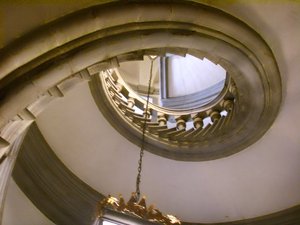
As one enters, the architecture itself begins to speak, presenting sweeping curves, dramatic ornamentation, and soaring ceilings that exemplify the theatrical splendor of the mid-17th century. The building reflects the stylistic trends prevalent during its time, constructed primarily between 1640 and 1653, creating a space where every architectural element is designed to elevate the spiritual experience through unparalleled aesthetic excellence.
Masterpieces of Light and Shadow
The true heart of this artistic treasure lies in its breathtaking collection, most notably the presence of Caravaggio’s masterpiece, The Entombment of Christ . Commissioned between 1603 and 1604, this monumental work stands as a cornerstone of Baroque art, captivating every visitor with its masterful use of chiaroscuro . Through the skillful manipulation of light and shadow, Caravaggio breathes life into the solemnity of the burial ritual, pulling the viewer into the profound emotion of the scene. The dramatic composition captures the weight of Christ’s body being laid upon a linen shroud, framed by the poignant grief of Mary Magdalene and the steady presence of Joseph of Arimathea.
Beyond the shadows of Caravaggio, the Oratory reveals a lighter, more celestial dimension through the visionary works of Giovanni Battista Tiepolo . The space is adorned with stunning tapestries that complement the architectural grandeur, most notably The Virgin Appearing to St Philip Neri . In this work, Tiepolo—the undisputed architect of Venetian light—utilizes his signature Rococo brilliance and a vibrant palette to depict a moment of divine inspiration. This intersection of the earthly and the celestial provides a stunning contrast to the somber depths of the Caravaggio, creating a visual dialogue between different eras of Italian mastery.
For the art lover, collector, or interior designer seeking the pinnacle of cohesive artistic patronage, the Oratory offers an experience that transcends mere observation. It remains a destination where scholars can dissect the nuances of Baroque design and travelers can find a moment of serene reflection, encountering a space where the monumental artistry of the past continues to illuminate the present.


