A Hidden Treasury of Northern European Art: Unveiling the Gemäldesammlung der Universität Göttingen
Nestled within the historic heart of Göttingen, Germany’s oldest teaching collection—the Gemäldesammlung der Universität—offers a remarkably intimate and profoundly rewarding experience for art enthusiasts. More than just a museum, it's a living testament to centuries of artistic evolution, born from an academic tradition that continues to shape its unique character. Founded as a vital tool for the burgeoning field of art history within the Georg-August University, this collection has evolved into a respected public institution, retaining a distinctive focus on scholarly engagement alongside captivating displays. Stepping through its doors is like entering a carefully curated conversation with the masters themselves – a dialogue fueled by research, education, and an unwavering commitment to preserving artistic legacy.
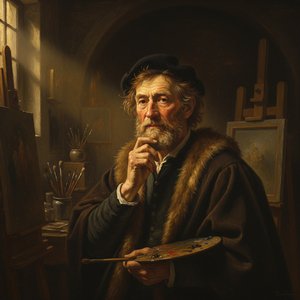
The Gemäldesammlung’s strength lies in its remarkably focused collection, particularly its impressive holdings of Dutch and Flemish Masters. Here, you'll encounter the vibrant brushstrokes of Jan Steen, his scenes brimming with lively narratives and human folly; and the masterful compositions of Rembrandt van Rijn, whose dramatic lighting and psychological depth continue to resonate across generations. These aren’t merely reproductions hanging on a wall; they are windows into the Golden Age, offering glimpses into the social customs, religious beliefs, and artistic innovations that defined this pivotal period. Beyond these giants, the collection spans a remarkable historical range, from the 14th century through the early 20th, showcasing a diverse panorama of styles – Gothic exuberance, Renaissance idealism, Baroque drama, and Romantic emotion—all interwoven within a single space.
A Legacy Forged in Scholarship: The Uffenbach Collection and Beyond
The museum’s origins are inextricably linked to the esteemed Uffenbach Collection, bequeathed by Johann Wilhelm Zschorn in 1795. This extraordinary gift – over 270 paintings – established the foundation upon which the Gemäldesammlung was built, setting a precedent for art as an integral component of academic education. The collection’s initial catalogue, published just a few years later, highlights the founders' vision: to cultivate “taste” and “accustom the eye to that which is good and beautiful.” Subsequent additions through generous donations from prominent professors—including Julius Baum, Karl Ewald Hasse, and Wilhelm Dilthey—further enriched the holdings, particularly in Italian painting. The museum’s commitment to scholarship remains palpable; it's not simply a display of art, but an active research resource.
Adding to this rich tapestry is the extensive collection of prints and drawings – over 1500 works documenting artists’ processes and techniques. These intimate studies offer invaluable insights into the creative journey, revealing preliminary sketches, compositional experiments, and detailed renderings that illuminate the artist's mind. The museum also houses a significant number of sculptures, reflecting a broader commitment to visual arts education.
An Intimate Space, A Unique Atmosphere
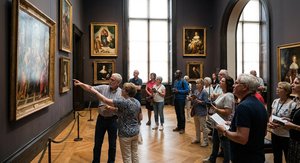
Unlike sprawling metropolitan museums, the Gemäldesammlung maintains an intimate scale, fostering a sense of personal connection with the artworks. Its location within the historic buildings of the Georg-August University contributes significantly to its unique atmosphere – a tangible link to its academic roots. While specific architectural details aren’t widely publicized, the setting itself evokes a feeling of scholarly contemplation and quiet reverence. The museum's evolution from an apartment housing the first curator to its current home in the Altes Auditorium reflects a continuous adaptation to changing needs while preserving its core mission.
Discovering Artistic Process: Prints & Drawings
The Gemäldesammlung’s collection of prints and drawings is truly exceptional, offering a rare opportunity to delve into the creative processes of some of history's greatest artists. From intricate engravings by Albrecht Dürer to vibrant etchings by Rembrandt, these works provide invaluable insights into the artist’s techniques, experimentation, and conceptual development. The museum holds not only masterpieces but also preparatory sketches, studies for larger paintings, and proofs—revealing the often-hidden stages of artistic creation. The presence of original printing plates from Rembrandt is a particularly remarkable testament to the collection's significance.
A Living Legacy: Research & Engagement
What truly distinguishes the Gemäldesammlung is its unwavering commitment to art historical study and research, alongside public engagement. It remains a vital resource for scholars, students, and anyone seeking a deeper understanding of Northern European art. The museum’s history as an academic institution ensures that artworks are not merely displayed but actively used in teaching and research—a testament to the enduring power of art education. A visit here is more than just sightseeing; it's an immersion into a world of artistic legacy, scholarly inquiry, and captivating beauty.