A Jewel of Civic Pride: Unveiling Belfast City Hall
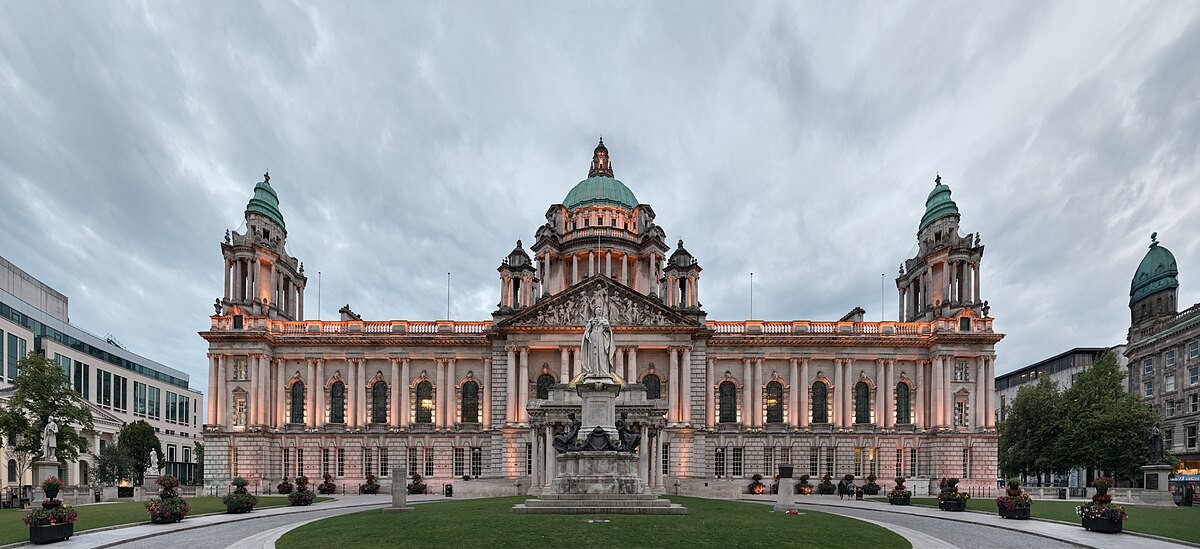
Belfast City Hall isn’t merely a building; it's a profound statement etched in Portland stone and gilded with history, rising majestically from Donegall Square like a testament to Northern Ireland’s resilience. Completed in 1906 after years of meticulous planning fueled by the city’s burgeoning prosperity following its elevation to city status, this Baroque Revival masterpiece transcends the role of simple civic administration – it embodies a deliberate assertion of Belfast's newfound confidence and a bold rejection of its older, less imposing Town Hall. The sheer scale of the project—a staggering £369,000 at the time—reflects the city’s ambitious investment in its own identity, declaring that Belfast wouldn’t merely survive but would thrive as a vibrant center for culture and commerce. The building's design is an immediate spectacle: four towering corner towers, crowned by a lantern-crowned dome reaching an impressive 173 feet into the sky, command attention while the intricate carvings adorning the façade – depicting allegorical figures, heraldic symbols, and scenes from Belfast’s rich past – speak to the extraordinary skill of the craftsmen involved. It's a symphony in stone, a tangible representation of civic pride meticulously rendered, a building that breathes history with every Portland stone block.
A Sanctuary of Sculpture and Marble
Stepping inside Belfast City Hall is akin to entering another world—a realm of ethereal light, luxurious materials, and breathtaking artistry. The interior is bathed in the soft glow filtering through stained-glass windows, each panel a vibrant tapestry depicting heraldic symbols and portraits of influential figures who shaped Belfast’s history. Among these notable representations are depictions of Queen Victoria and William III, powerful emblems of Britain's imperial influence during the Victorian era, alongside shields representing the provinces of Ireland – a deliberate nod to the complex and enduring relationship between Northern Ireland and its southern neighbor. The heart of this opulent space is undoubtedly F.W. Pomeroy’s monumental pediment sculpture, a dramatic tableau executed by local sculptor J. Edgar Winter. This isn't simply decorative; it’s a meticulously crafted narrative frozen in stone, depicting pivotal moments from Belfast’s past – from its thriving linen trade and shipbuilding industry to the challenges of the industrial revolution. The sheer scale of the sculpture, combined with Winter’s remarkable skill, creates an immersive experience that transports viewers back in time, allowing them to connect with the city's evolution on a visceral level. Adding to the atmosphere is the breathtaking use of Carrara, Pavonazzo and Brescia marbles – luxurious materials chosen not just for their beauty but also to elevate the building’s ambiance, creating a space worthy of civic ceremonies and celebrations. These shimmering surfaces reflect light with an almost otherworldly quality, enhancing the sense of grandeur and transforming the hall into a truly magnificent spectacle.
Echoes of History: From Parliament to Remembrance
Belfast City Hall's story is inextricably linked with Northern Ireland’s turbulent past. During its early years, it briefly served as the provisional seat of the Parliament of Northern Ireland in 1921, witnessing pivotal moments in Irish history – most notably King George V’s first state opening following the partition of Ireland. The building endured significant damage during the Belfast Blitz of May 1941 – a harrowing period marked by Luftwaffe bombing raids – and underwent extensive reconstruction to restore its former glory. The Banqueting Hall, with its restored splendor, stands as a poignant reminder of this resilience—a testament to the community’s unwavering spirit in the face of adversity. Beyond its political significance, City Hall has always been a space for remembrance and reflection. The meticulously maintained gardens surrounding the building serve as tranquil spaces for contemplation and honoring those who have served their country. The Sir Edward Harland Memorial, sculpted by Sir Thomas Brock – a former head of Harland & Wolff shipyard – honors Belfast’s industrial heritage, while adjacent to this memorial is another statue commemorating Queen Victoria's reign – a lasting symbol of British influence on Northern Irish society. The Garden of Remembrance and Cenotaph provide a solemn space for honoring the sacrifices made by generations in times of conflict, creating a powerful connection between the past and present.
Notable Exhibitions & Architectural Highlights
The permanent exhibition within Belfast City Hall offers a fascinating journey through time, charting the city’s narrative from its origins as a linen trading center to the complexities of modern political upheaval. It's a carefully curated collection that reveals the layers of Belfast’s history – showcasing artifacts, photographs, and documents that bring the past vividly to life. Beyond the permanent exhibition, the building regularly hosts temporary exhibitions focusing on diverse themes, from local artists to significant historical events. The architectural details themselves are worth exploring: observe the intricate carvings depicting scenes from Belfast's maritime heritage, the delicate tracery of the stained-glass windows, and the imposing grandeur of the dome. The building’s design is a masterful blend of Baroque Revival elements – think soaring arches, elaborate ornamentation, and classical proportions – seamlessly integrated with Northern Irish artistic sensibilities. The four corner towers are not merely decorative; they serve as visual anchors, emphasizing the building's monumental scale and commanding presence within Donegall Square.
Experiencing City Hall Today: A Living Legacy
Today, Belfast City Hall welcomes visitors with engaging guided tours that delve into its architectural history and artistic treasures – providing intimate access to stories untold for over a century. These tours offer a unique opportunity to appreciate the craftsmanship, symbolism, and historical significance of this iconic landmark. Furthermore, the building continues to host a variety of events, from civic ceremonies and concerts to exhibitions and community gatherings. The Banqueting Hall remains a popular venue for formal occasions, preserving its role as a symbol of Belfast’s enduring spirit and commitment to celebrating its rich history and vibrant future. Don't miss the chance to explore the surrounding gardens, a tranquil oasis offering a moment of reflection amidst the city's bustle.